From Andean Mountains to Living Rooms: The 3,000-Year History of the Guinea Pig
Despite its name, the gentle Guinea Pig is neither a pig nor from Guinea. Its real story begins high in the South American Andes more than 3,000 years ago — making it…
· 2 min read
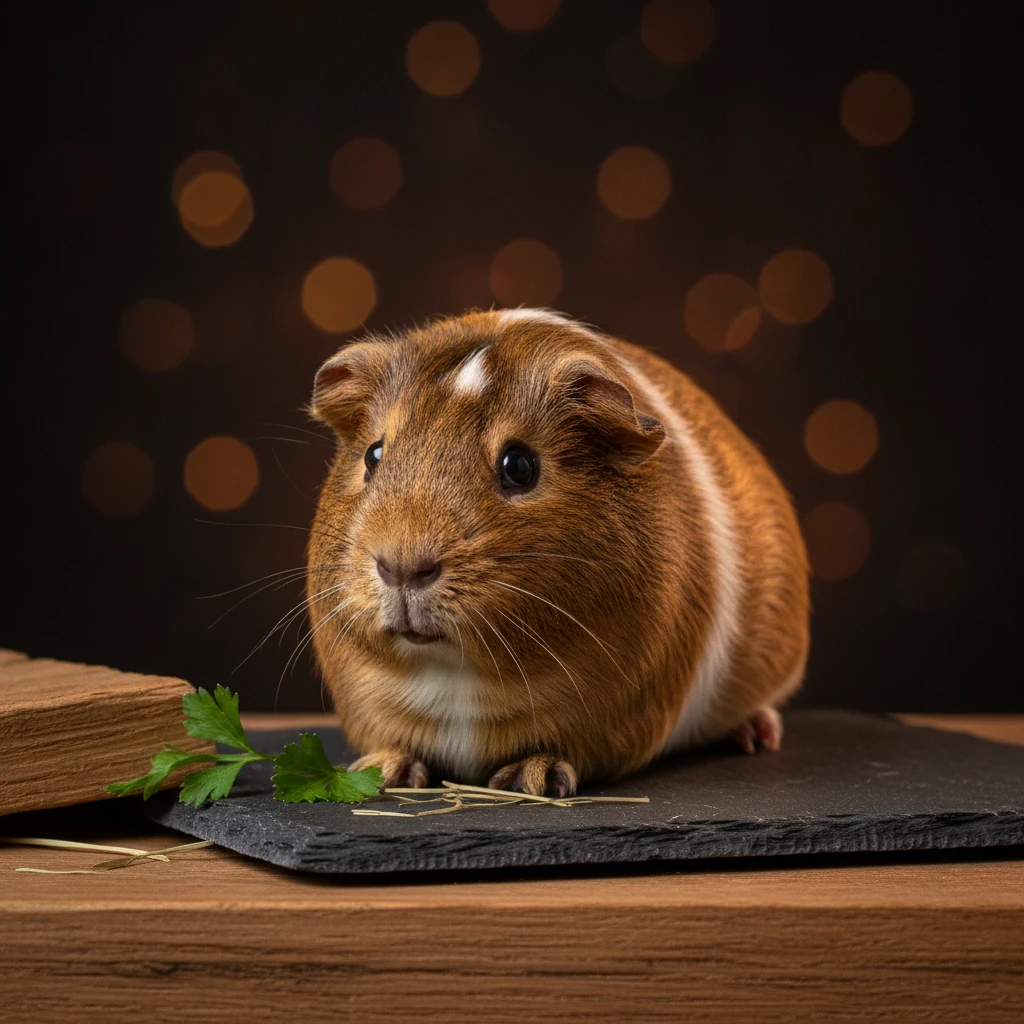
Despite its name, the gentle Guinea Pig is neither a pig nor from Guinea. Its real story begins high in the South American Andes more than 3,000 years ago — making it one of the oldest domesticated small mammals on Earth.
Domesticated in the Ancient Andes
Indigenous communities in modern-day Peru, Bolivia, and Ecuador domesticated the wild cavy (Cavia tschudii) thousands of years before European contact. Known locally as cuy, these compact, social rodents lived freely around family hearths and were prized for their calm temperament and adaptability to cool mountain altitudes.
Crossing the Atlantic as Royal Novelties
In the 16th century, Spanish, Dutch, and English traders carried cavies back to Europe on merchant ships. Because ships often stopped along the coast of West Africa (“Guinea”) or sold the exotic animals for one gold guinea coin in London markets, the nickname “guinea pig” stuck. Soon, European portraits even depicted Queen Elizabeth I’s court ladies cradling pet cavies.
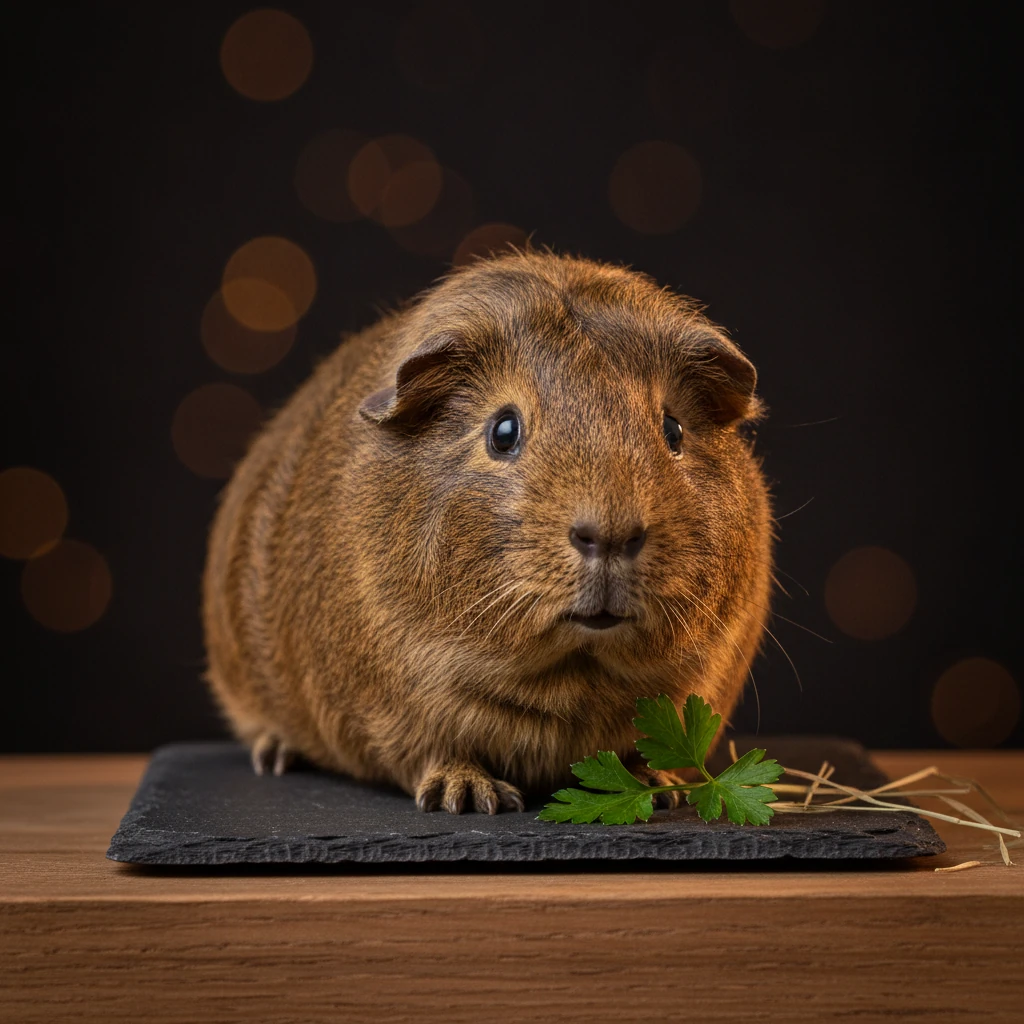
Centuries of close human companionship bred out wild flightiness, leaving modern varieties like the rosette-coated Abyssinian Guinea Pig remarkably vocal, gentle, and responsive to daily routines.
Why They Still Thrive in Family Homes
Because guinea pigs are diurnal (awake during the day) and communicate with cheerful “wheeks” and soft purrs, they remain one of the best small pets for families. Explore care requirements and enclosure sizes on our Small Pets Hub.
Meet the Breeds Behind the Story

📰 Blog