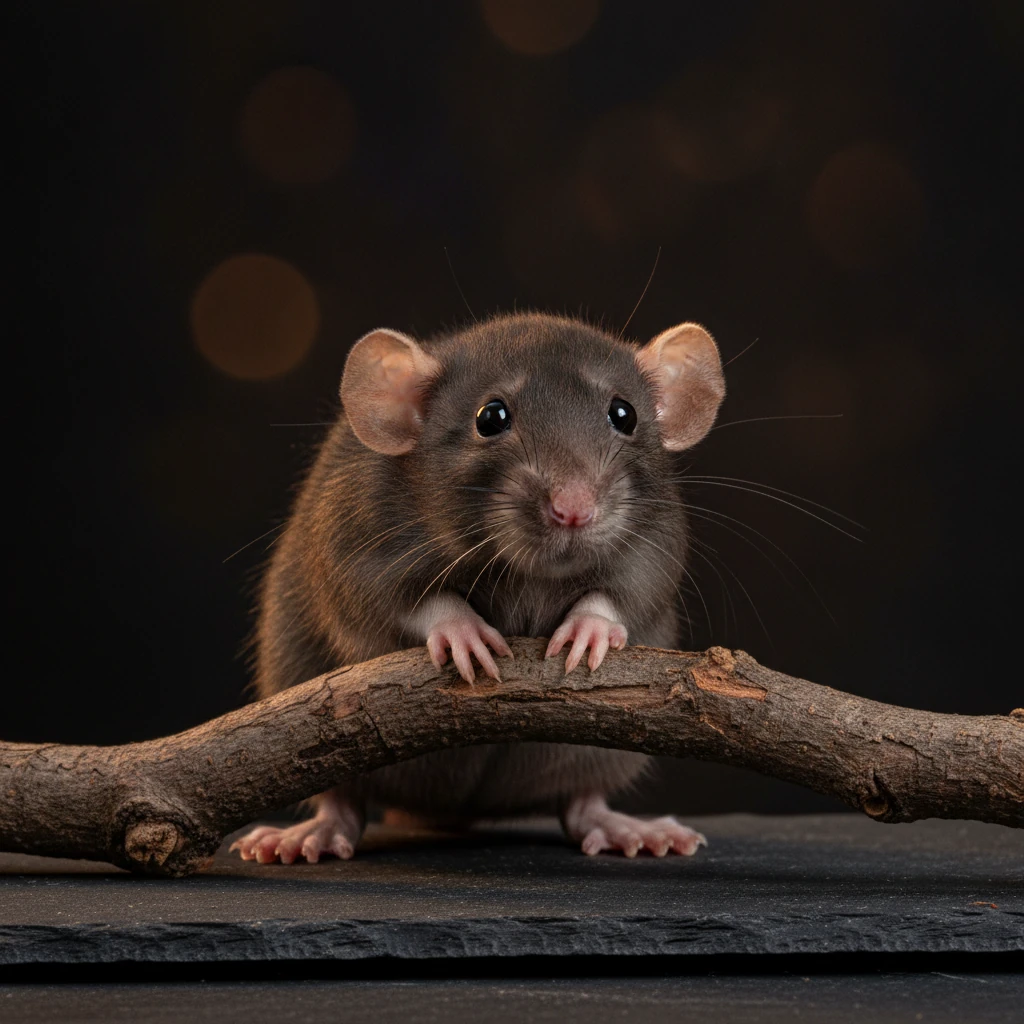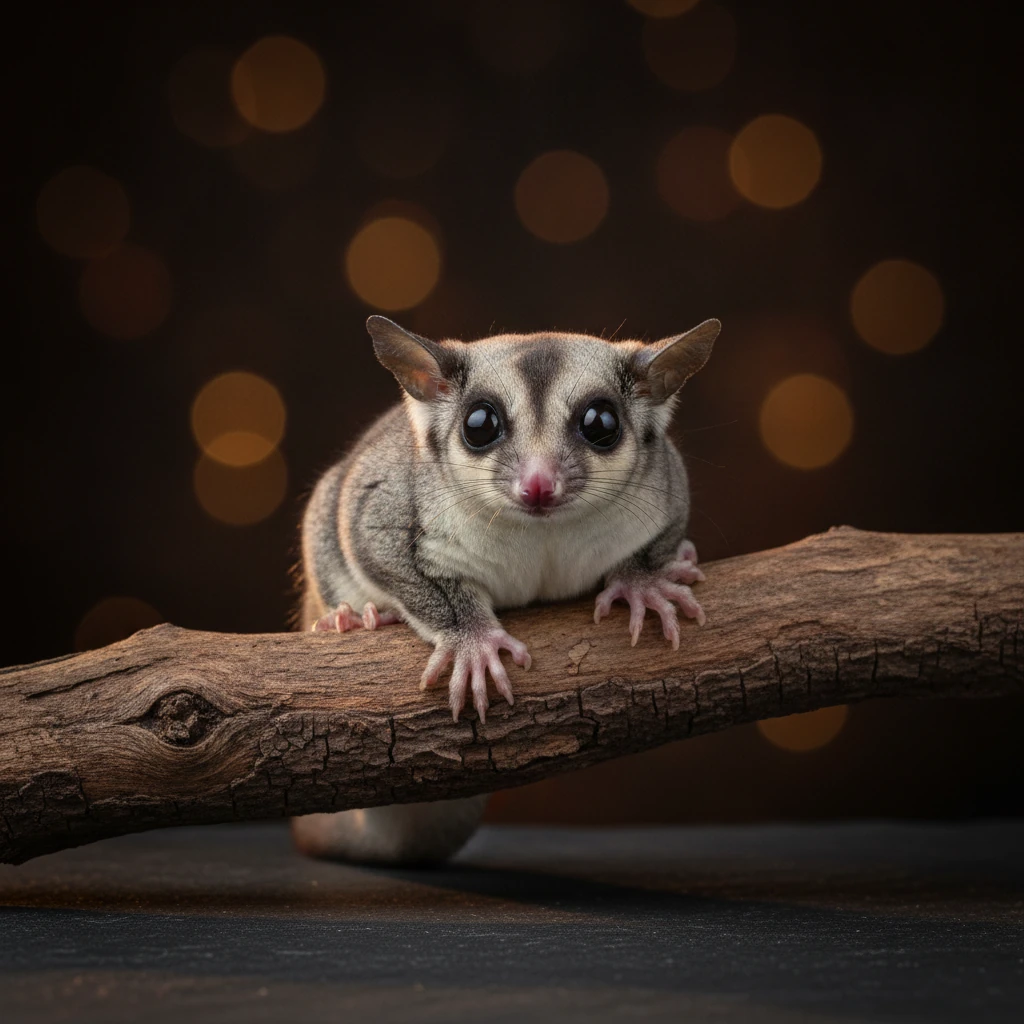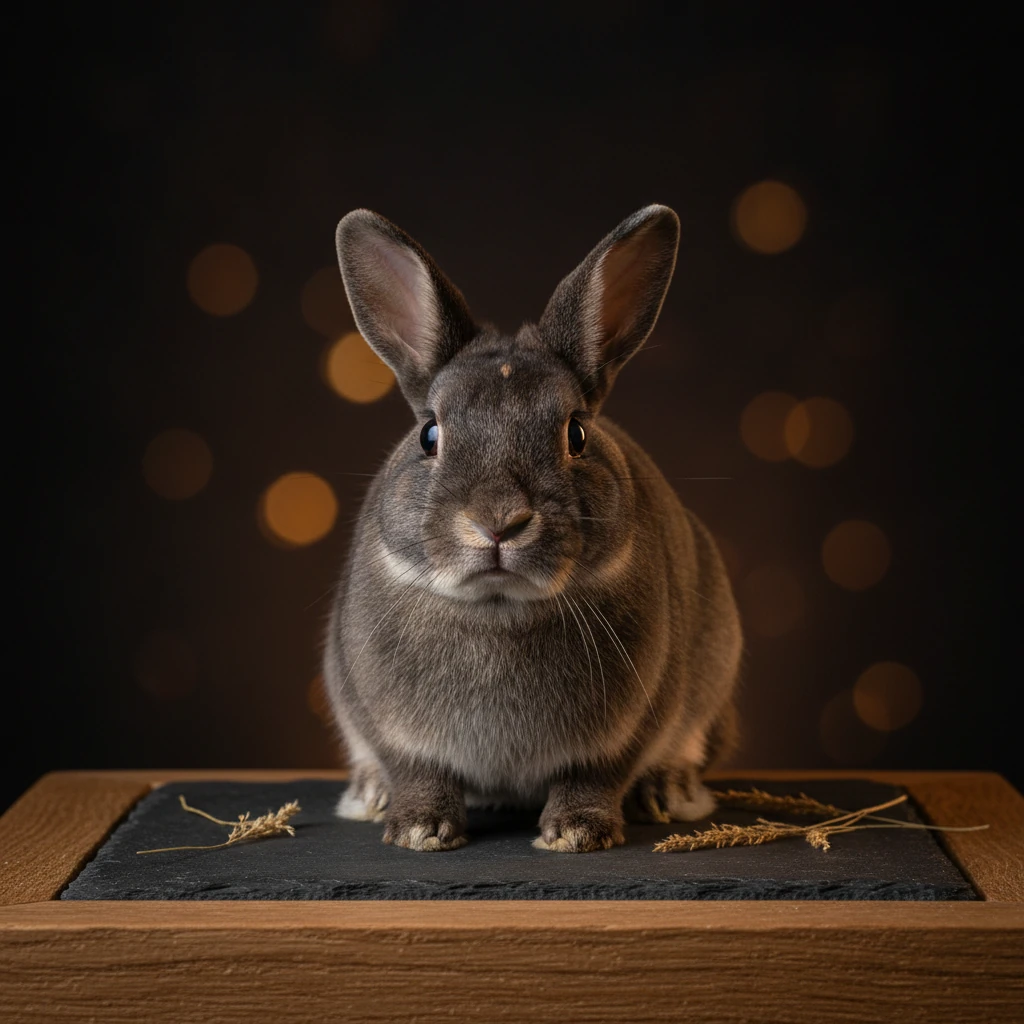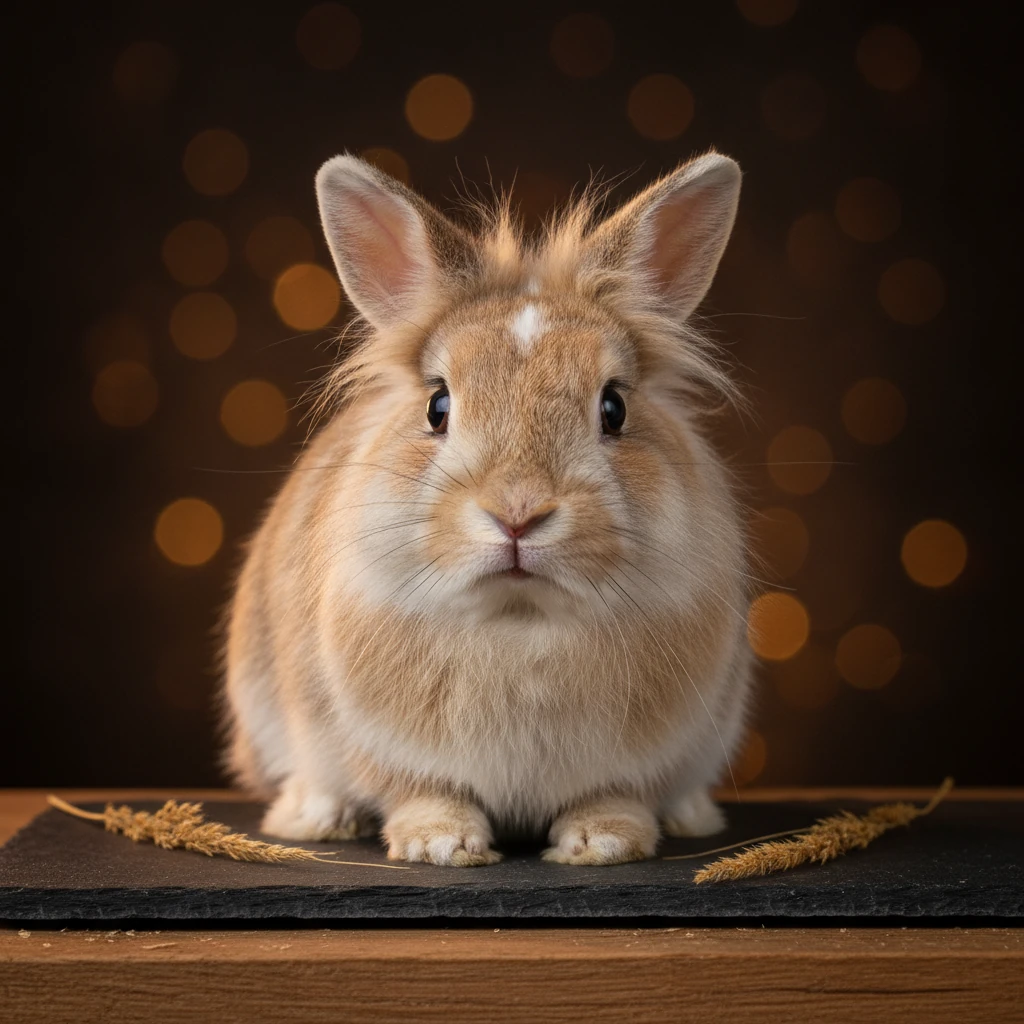
60 POCKET COMPANIONS

Small Pets Hub

Explore 60 pocket companions, enclosure requirements, social dynamics, and handling guides for rabbits, rodents & exotics.

⚡ 1-Click Curated Collections Jump straight to pre-filtered categories in the catalog
💨
November Care Radar · 🍂 AUTUMN

Elevate Enclosures: Raise habitat cages at least 30cm off cold flooring to prevent chilly floor drafts.

🛡️ Verified Care Protocol
🔥

Daily Quick Challenge: Guess the Stat

Earn daily streaks by testing your knowledge — new challenge every 24 hours
🔥 Streak: 0 Days
TODAY'S QUESTION:

Loading daily challenge...

Preparing today's face-off...
🏆 TOP PICKS BY PROFILE

Top 3 Pocket Companions by Profile

Standout picks for overall excellence, beginners, and lifestyle fit — rotated weekly
👥 COMMUNITY CHOICE

Readers' Top 3 Picks

1 Community Votes
🏆 BEST OVERALL
No votes yet Be the first reader to pick a winner for this profile.
READERS' POLL Awaiting #1 Vote
🤲 BEST FOR BEGINNERS
No votes yet Be the first reader to pick a winner for this profile.
READERS' POLL Awaiting #1 Vote
👶 BEST FAMILY & KIDS PICK
Albino Ferret
👥 100% · 1
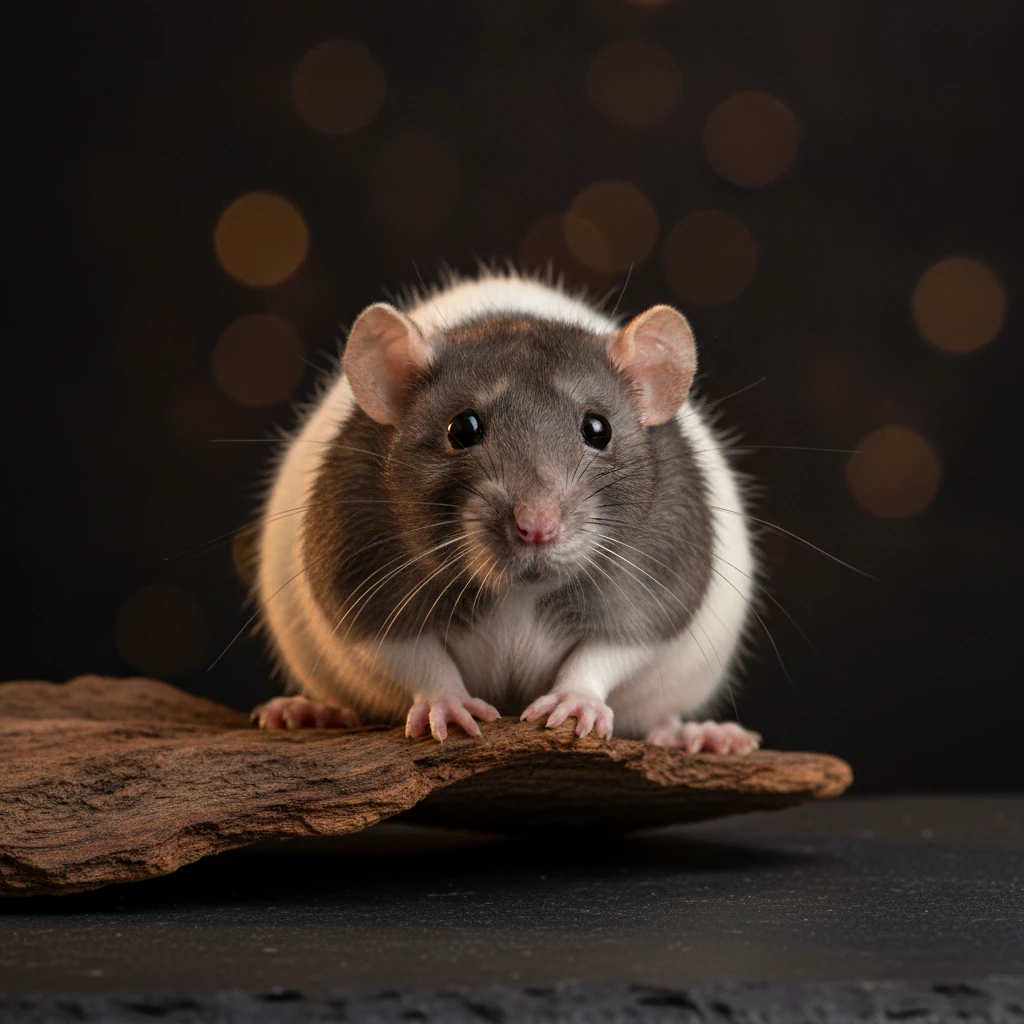
Rats, Mice & Ferrets Albino Ferret
PRACTICAL CARE CHECKLISTS

Small Pets Care Guides & Essentials

Select a checklist below for 5 actionable standards and recommended setup essentials.
ENCLOSURE STANDARDS

Minimum Cage & Pen Size Guide

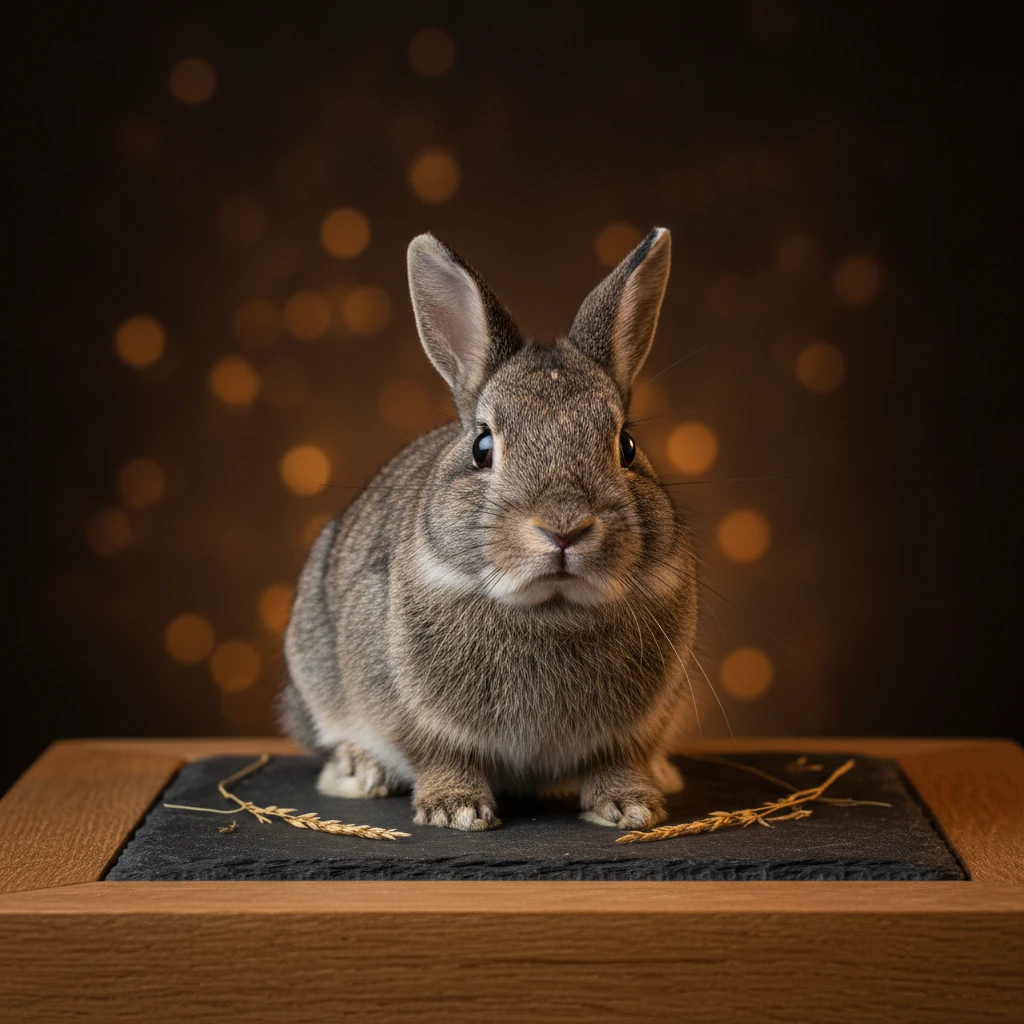
  1. Rabbits: minimum 120 × 60 cm hutch plus permanent 24/7 exercise pen (at least 2.5–3 m² total flat floor space).
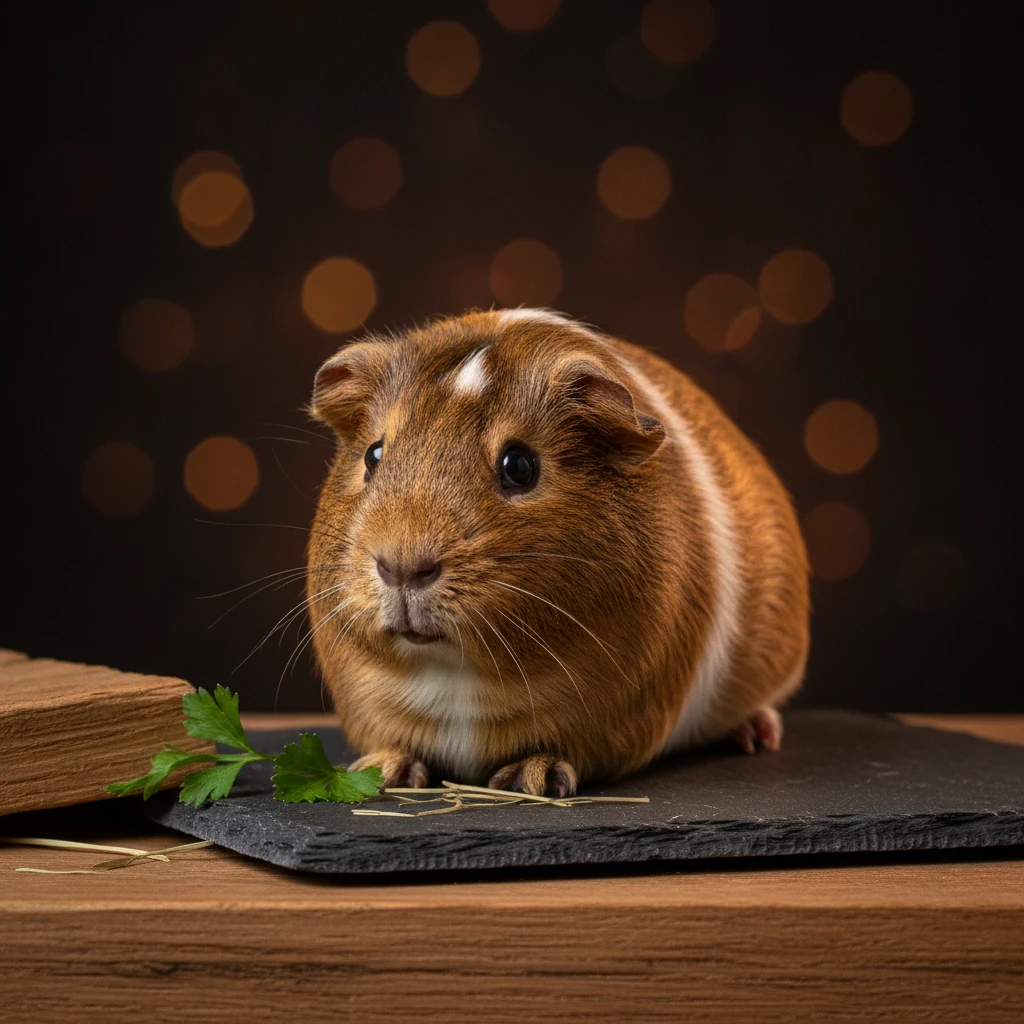
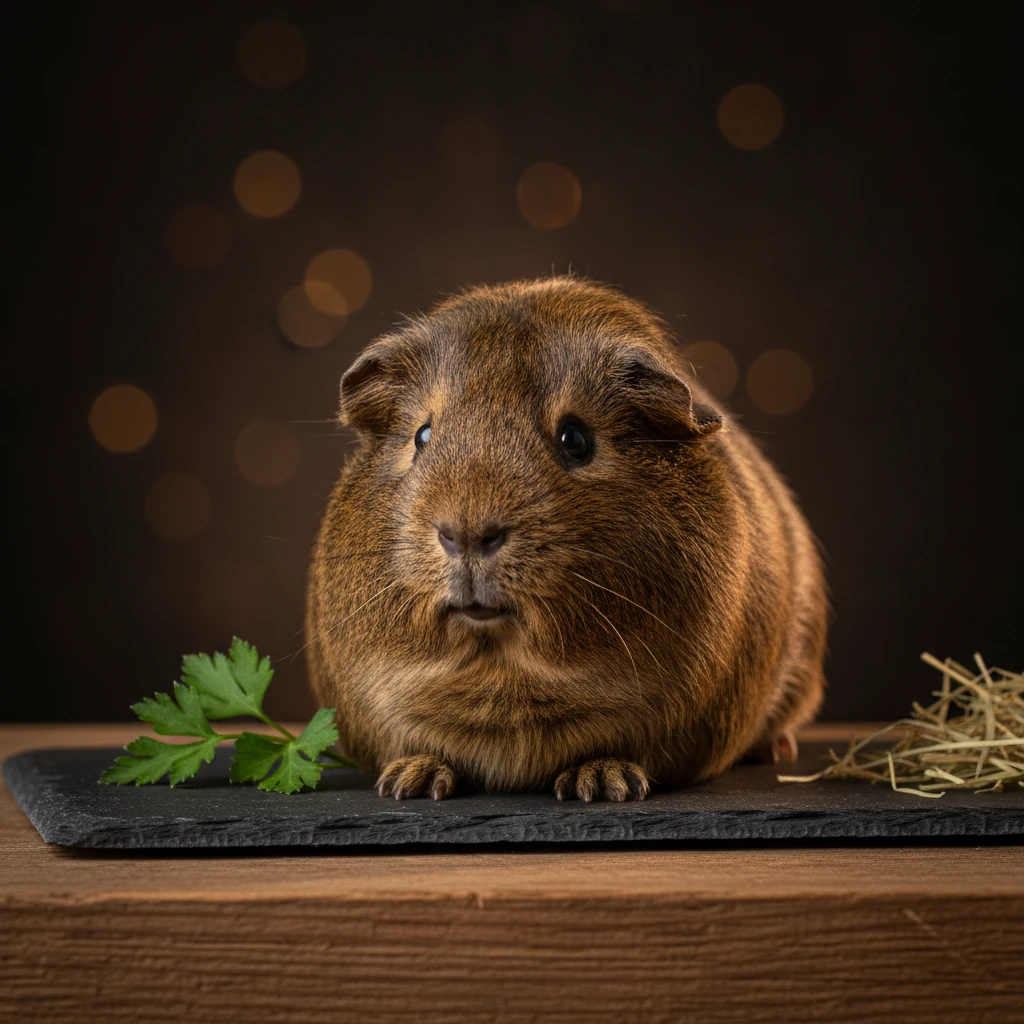
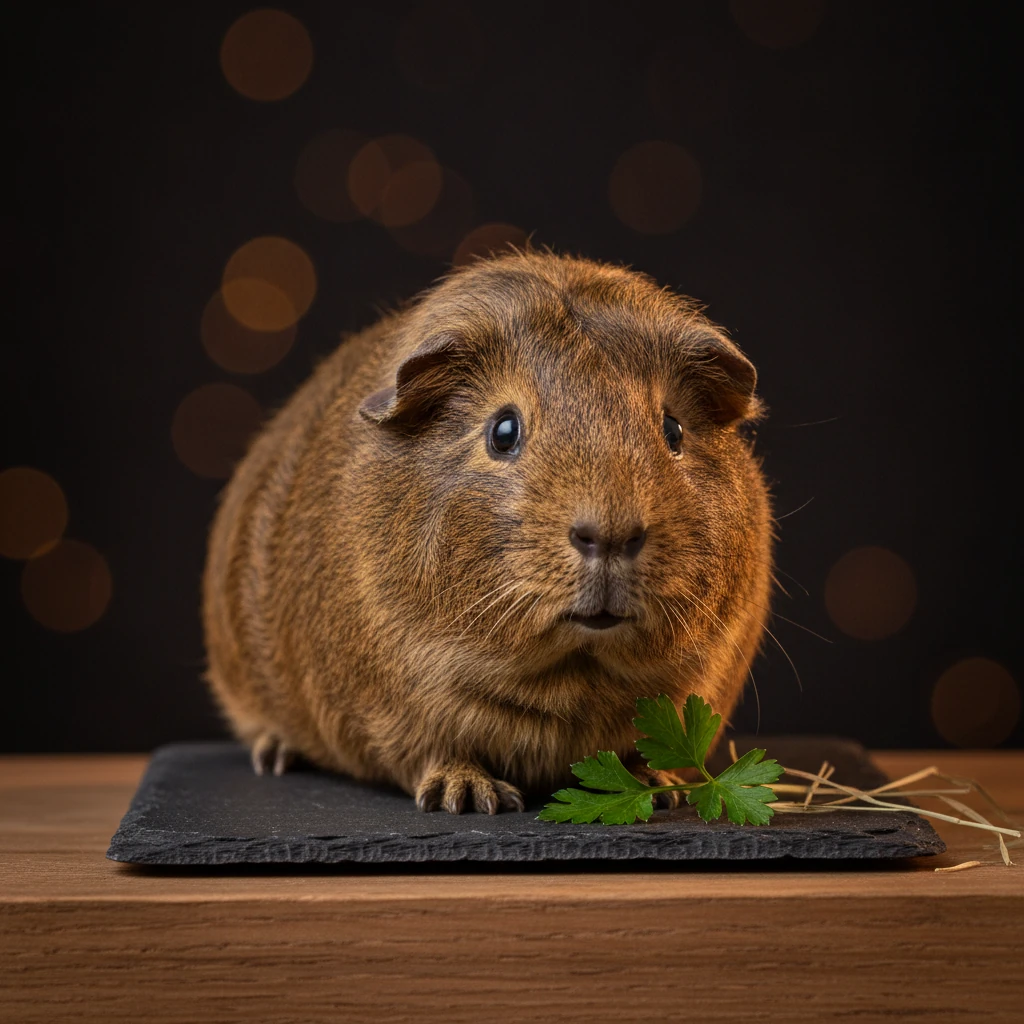
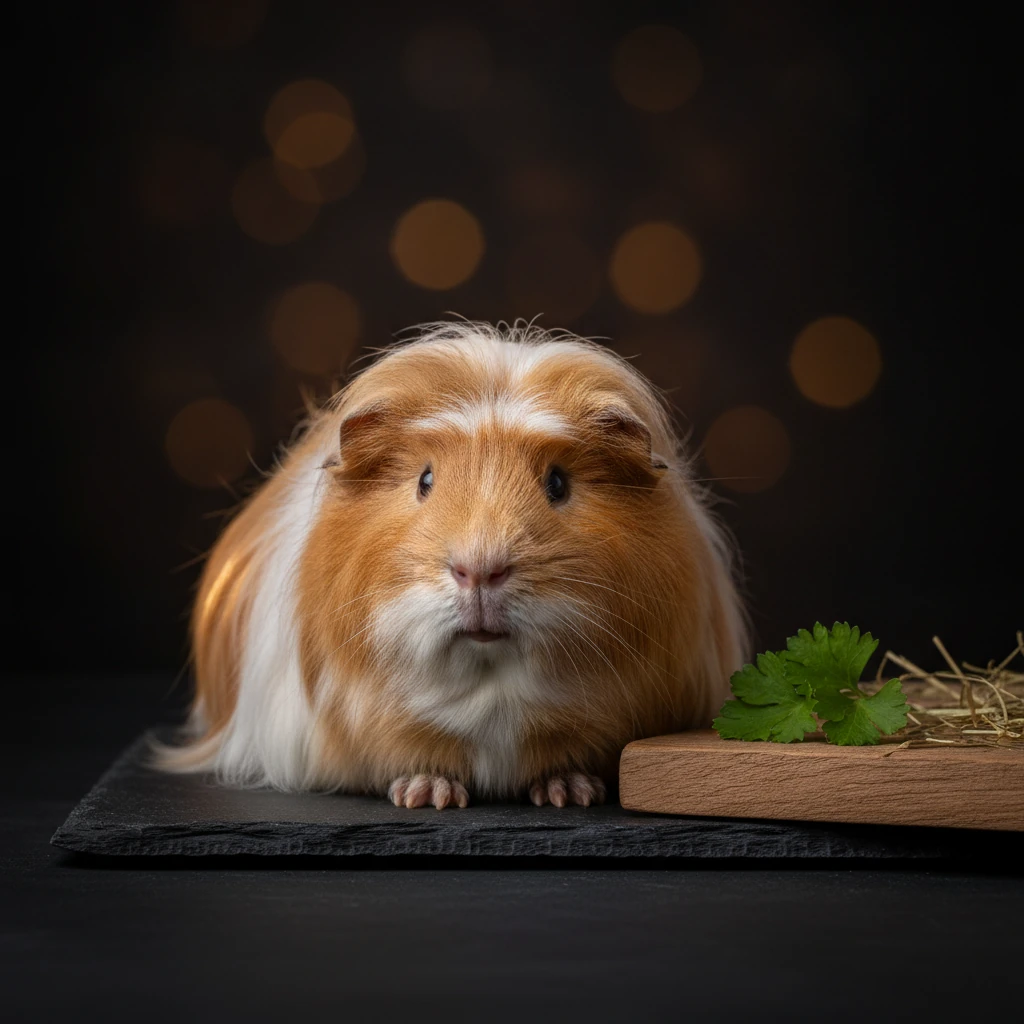
  2. Guinea Pigs (pair): minimum 120 × 60 cm (0.75 m² / 8 sq ft), ideally 150 × 75 cm (2×4 C&C grid) on one flat level.
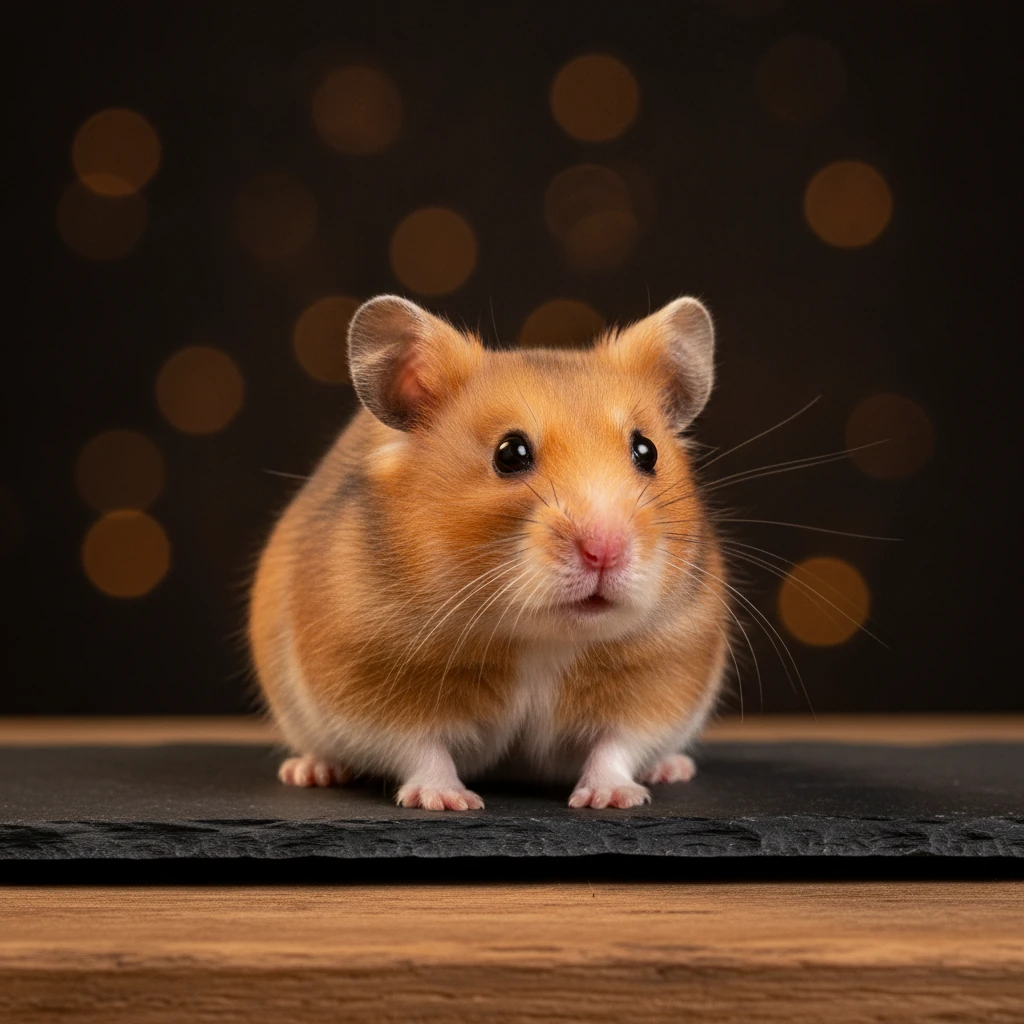
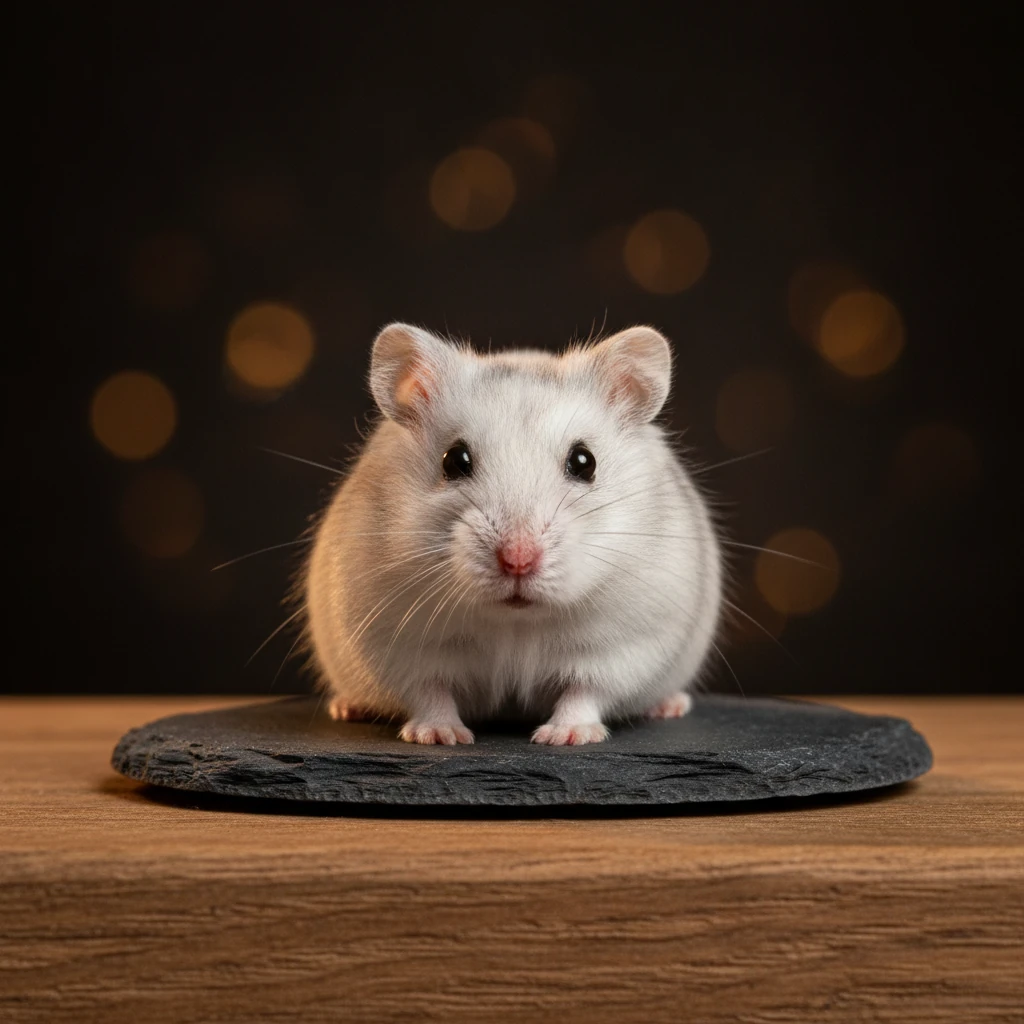
  3. Syrian Hamsters: unbroken floor area ≥ 100 × 50 cm (5,000 cm²) with 20–25 cm deep paper/aspen burrowing bedding.
  4. Solid flat flooring only — never use wire-grid cage bottoms that cause painful bumblefoot (pododermatitis).
  5. Avoid cedar and unkilned pine shavings; use dust-extracted paper bedding or washable fleece liners.
SAFE VS. TOXIC DIET

Hay, Greens & Toxic Foods Checklist

  1. Rabbits & Guinea Pigs: 80–85% unlimited Timothy/orchard grass hay 24/7 to wear down continuously growing teeth.
  2. Guinea Pigs require daily Vitamin C (fresh bell pepper or stabilized supplement) since they cannot synthesize it.
  3. Serve 1 cup of safe leafy greens daily per kg (romaine, cilantro, dandelion greens) — limit sweet fruit to tiny weekly treats.
  4. Strictly avoid toxic foods: iceberg lettuce, onions, garlic, avocado, potato, chocolate, and rhubarb.
  5. Never use salt licks or high-sugar yogurt drops; provide plain apple-wood chew sticks instead.
FIRST-WEEK TAMING

Stress-Free Bonding & Handling Guide

  1. Allow 48–72 hours of quiet settle-in time in a new enclosure before attempting any direct handling.
  2. Sit quietly beside the cage and offer small herb/veggie treats from an open palm so they approach on their own terms.
  3. Always scoop from underneath, supporting chest and hindquarters — never grab from above like a predator.
  4. Respect sleep cycles: hamsters are crepuscular/nocturnal and startle easily if woken during midday.
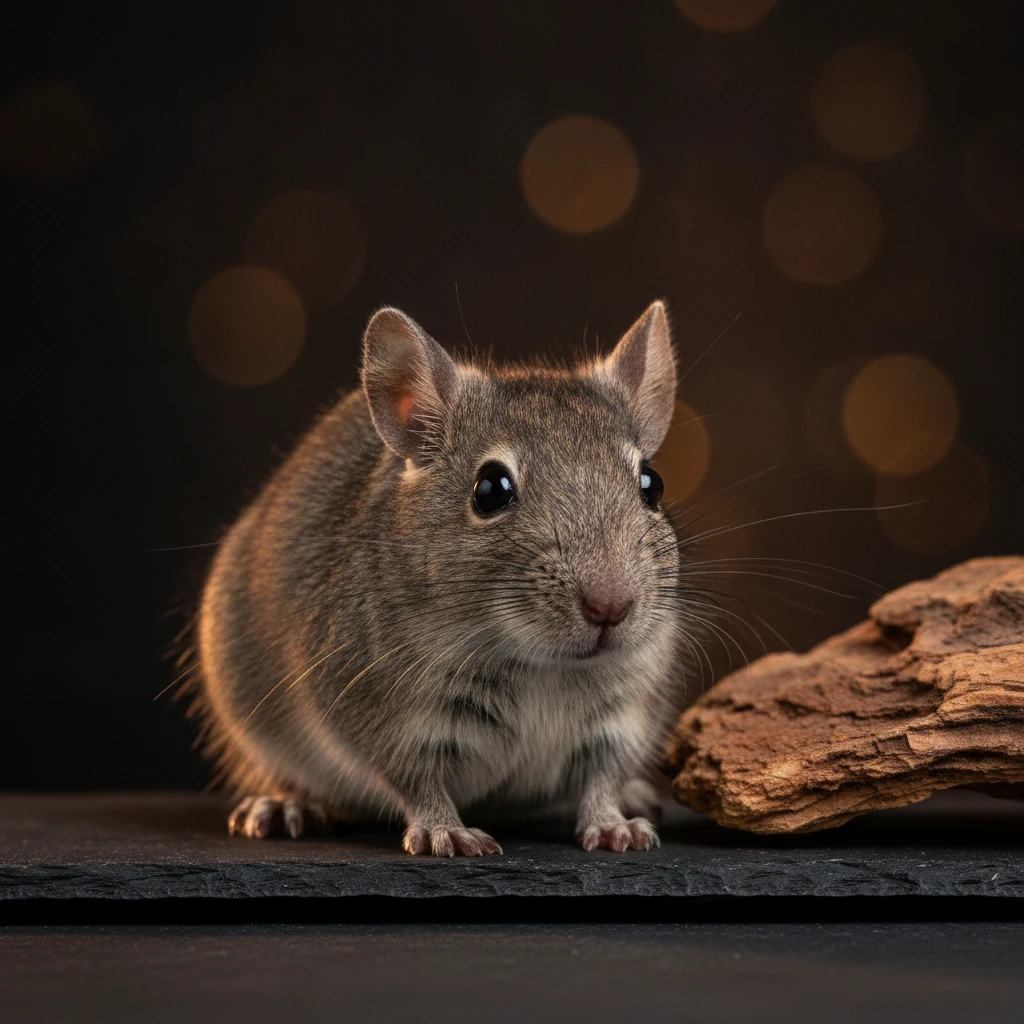
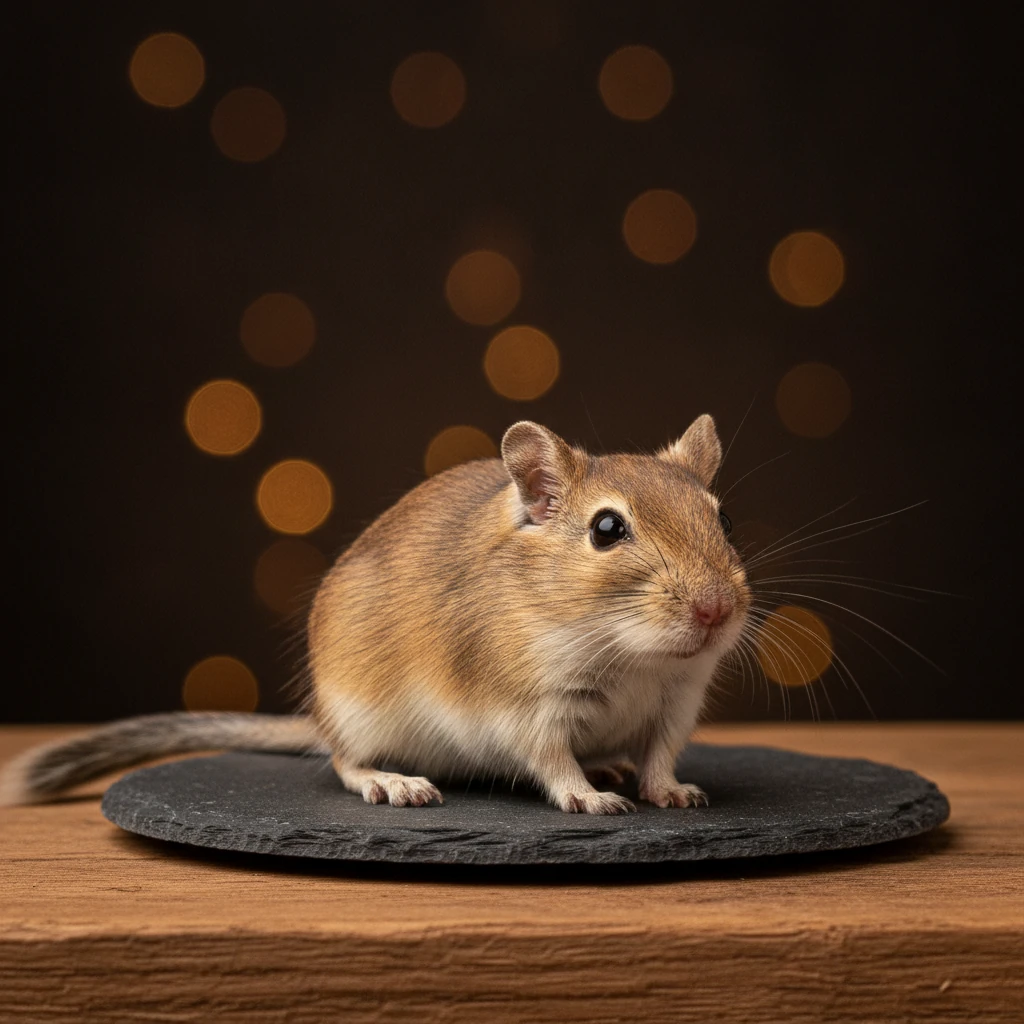
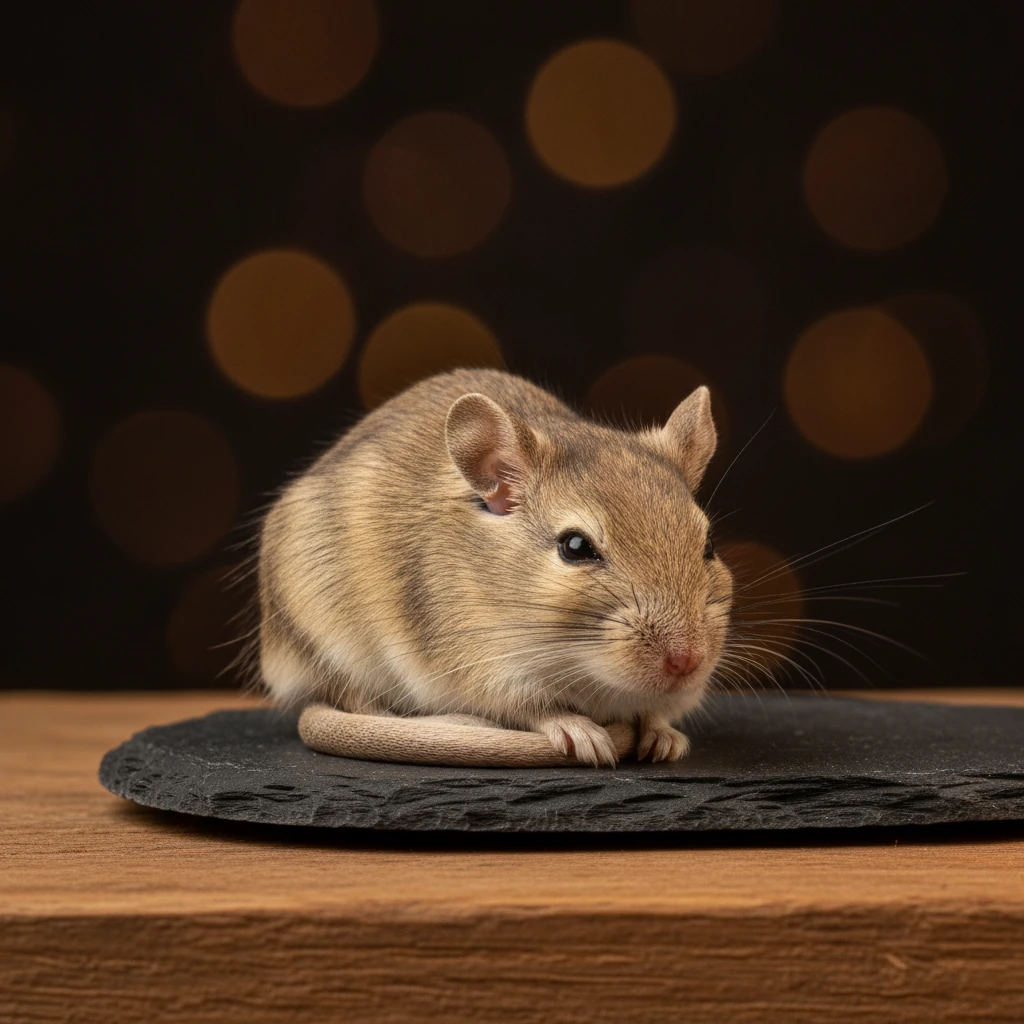
  5. House social species (guinea pigs, rats, gerbils) in same-sex bonded pairs to prevent loneliness and depression.
Scroll to Top