Indoor Plants Hub
Browse 80 indoor botanical profiles, pet safety ratings, light calculators, and care difficulty indexes for thriving greenery.
Indoor Plants Match Finder
Answer 5 quick space & lighting questions to uncover your top-rated plant matches with deterministic scoring.
Browse All 80 Plants
Complete directory with high-speed filters for size, difficulty, temperament, and health metrics.
Head-to-Head Compare
Launch instant side-by-side duels from top matchups or create your own custom comparison in seconds.
Care Guides & Essentials
Evidence-based nutrition schedules, enclosure layouts, training protocols, and wellness advice.
Daily Quick Challenge: Guess the Stat
Earn daily streaks by testing your knowledge — new challenge every 24 hoursTop 3 Botanical Profiles by Profile
Standout picks for overall excellence, beginners, and lifestyle fit — rotated weekly
Readers' Top 3 Picks
Indoor Plants Care Guides & Essentials
Select a checklist below for 5 actionable standards and recommended setup essentials.
Indoor Light & Window Distance Guide
- Bright Indirect Light means within 1–2 meters of an East/South/West window without harsh midday sunbeams hitting leaves.
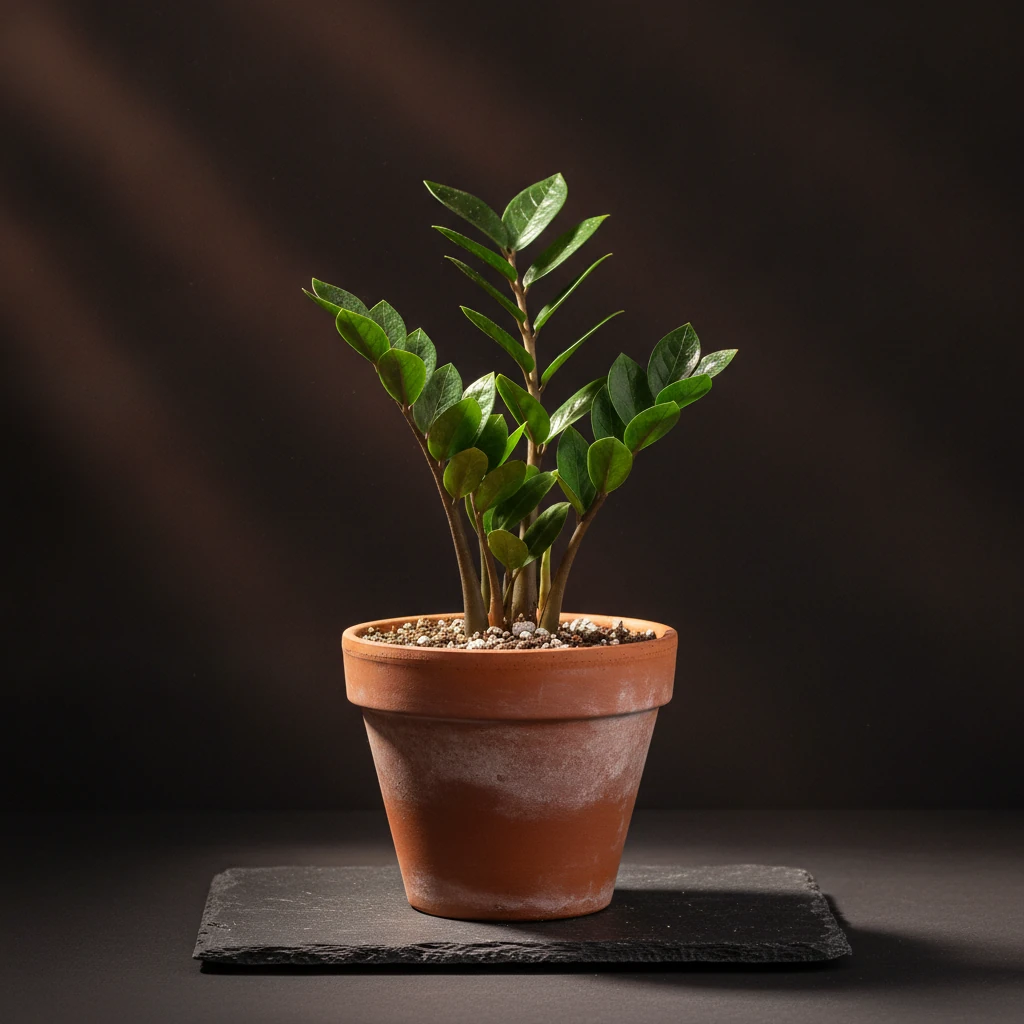
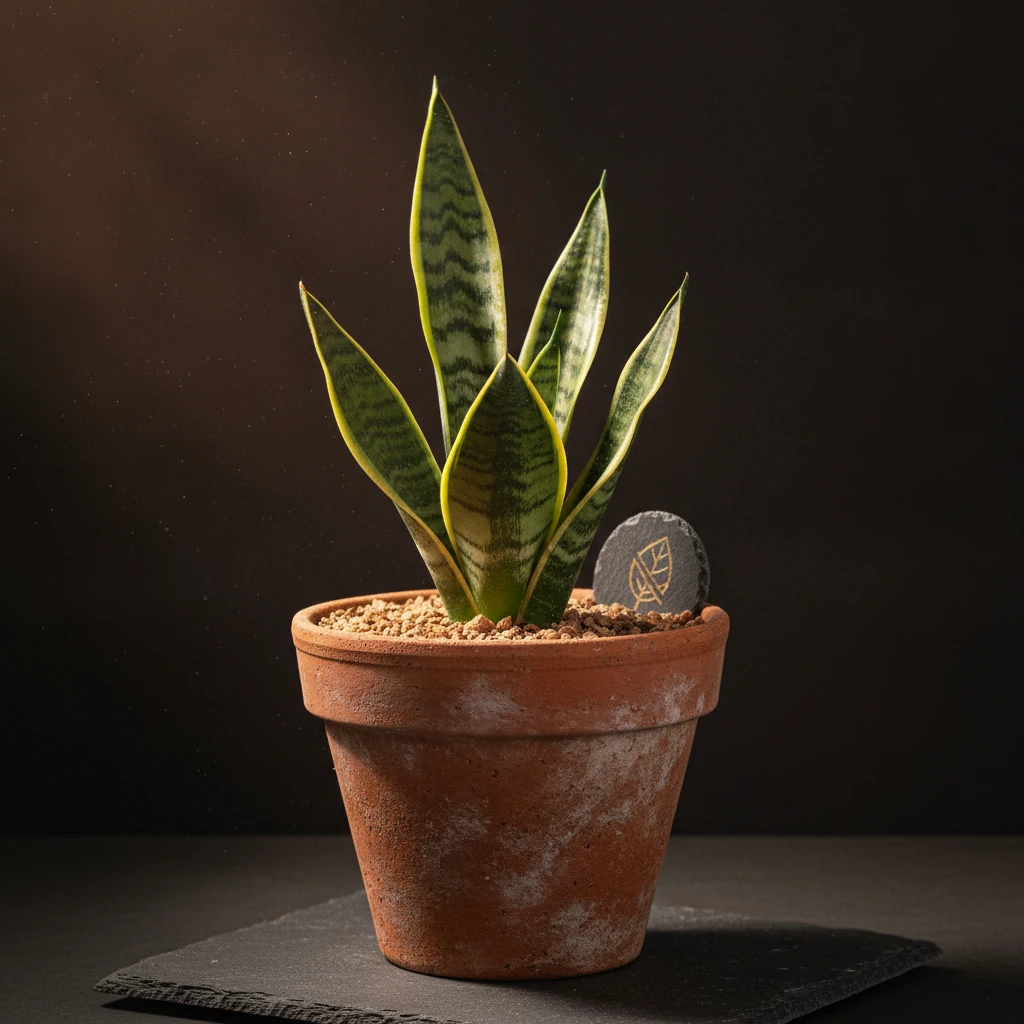
- Low-Light tolerant plants (ZZ, Snake Plant, Cast Iron) survive 3+ meters from windows, though growth slows in winter.
- Rotate pots 90° every 1–2 weeks so stems grow upright instead of leaning toward the glass.
- Keep tropical foliage at least 60 cm away from cold winter windowpanes, radiators, and AC vents.
- Wipe dust off broad leaves monthly with a damp microfiber cloth to boost photosynthesis efficiency.
Root-Rot Prevention & Drainage Checklist
- Never water on a strict calendar — stick a finger 3–5 cm into soil and water only when the top layer is dry (or 100% dry for succulents).
- Always use pots with bottom drainage holes and empty saucer runoff 15 minutes after watering.
- Upgrade dense nursery soil with chunky perlite, orchid bark, and coco coir for airy root oxygenation.
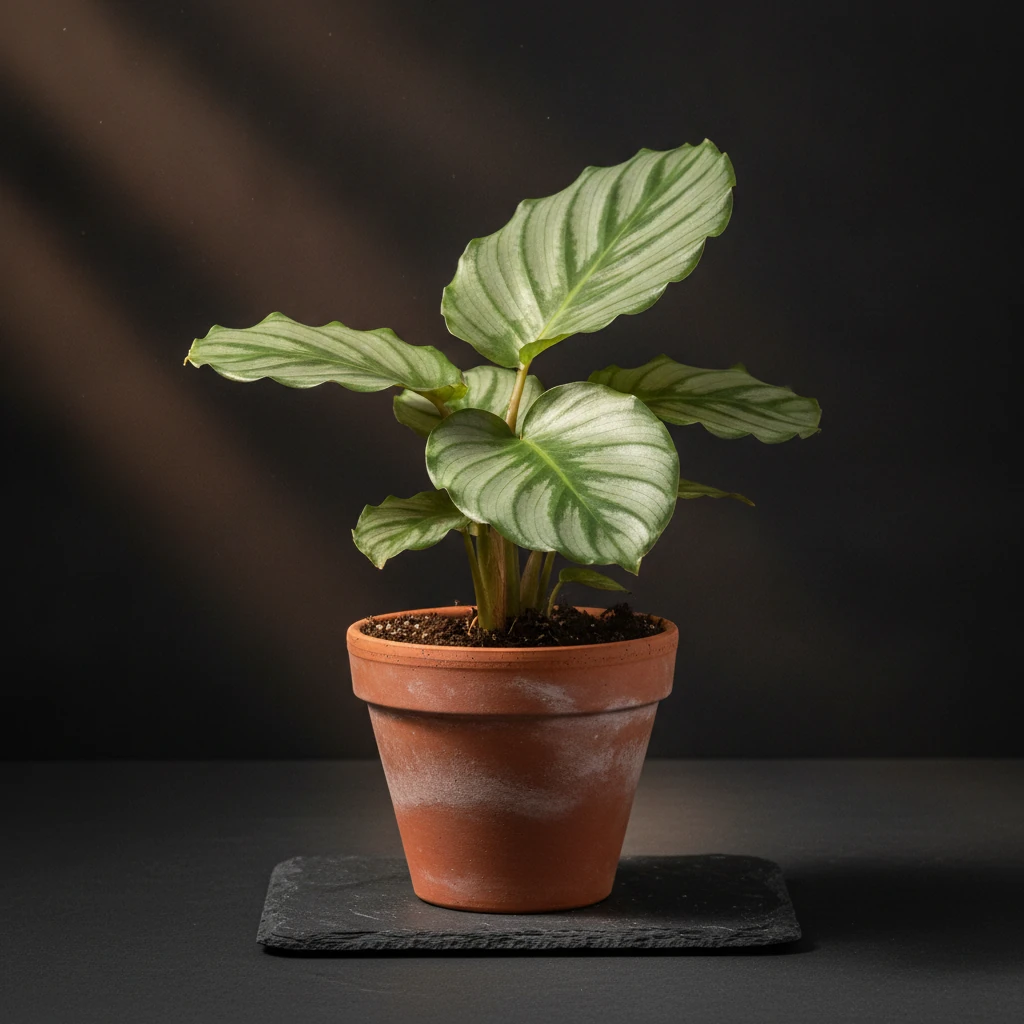
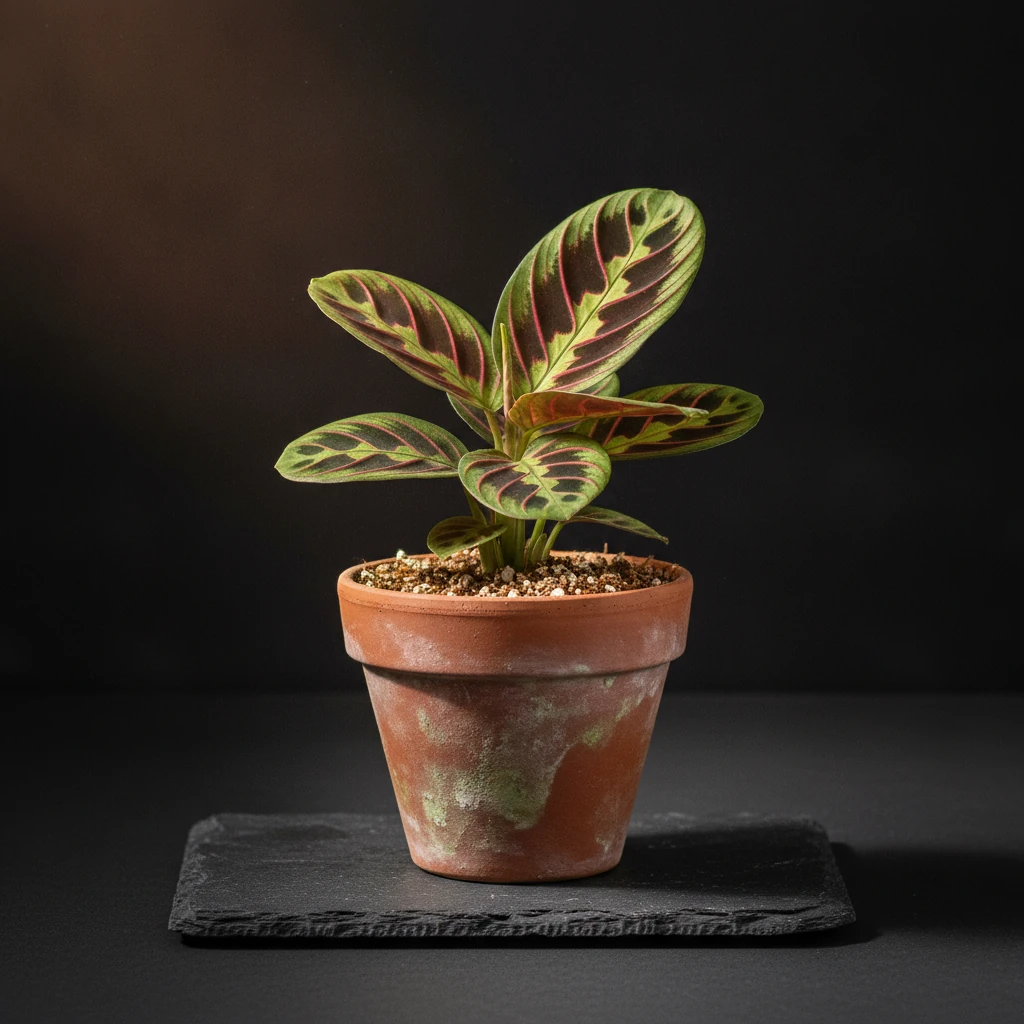
- Use room-temperature filtered or rested tap water for sensitive prayer plants (Calathea, Maranta) to prevent crispy tips.
- Repot only 1–2 inches wider in spring when roots circle the bottom or poke out of drainage holes.
100% Pet-Safe Home Botanical Checklist
- Verify ASPCA non-toxic status before bringing any plant home if cats or dogs chew leaves or dig soil.
- Hang trailing mildly irritating plants (Pothos, Philodendron) in high macramé planters completely out of jump reach.
- Cover large floor-planter soil with smooth river pebbles to discourage pets from digging.
- Avoid chemical leaf-shine sprays and systemic soil pesticides in pet-accessible rooms.
- Group humidity-loving tropicals (Ferns, Calatheas) together or over pebble trays for natural micro-humidity.