
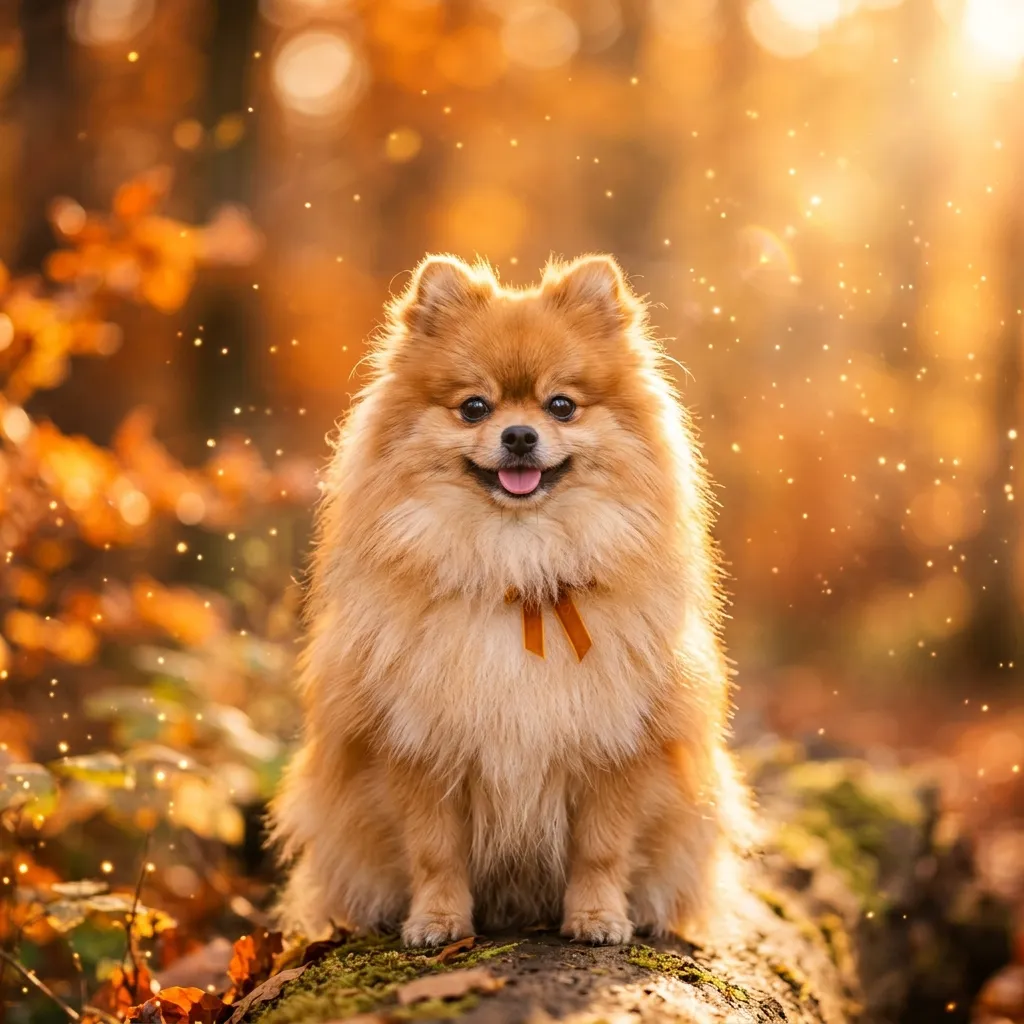
Pomeranian
Country of Origin: Germany, Poland
The Pomeranian temperament is defined by immense, explosive energy, sharp intelligence, and a massive, commanding "big dog" personality trapped in a tiny body. They are exceptionally cheerful, highly affectionate, and fiercely devoted to their owners, often acting as a constant, "Velcro" shadow. They are highly alert, deeply inquisitive, and possess incredibly strong watchdog instincts; they will utilize their sharp, high-pitched, persistent bark to announce absolutely everything, which requires consistent training to manage. They are smart and eager to please, excelling in trick training and agility. However, they can develop "small dog syndrome"—becoming snappy and excessively dominant—if not provided with firm, consistent boundaries and early socialization.
Pomeranian health and care require highly specialized attention due to their extremely fragile anatomy and massive coat. They have a long lifespan of 12 to 16 years, but they are highly susceptible to patellar luxation (slipping kneecaps), collapsing trachea (use a harness, never a neck collar), and severe periodontal (dental) disease, making daily teeth brushing critical. Their tiny bones mean they must be prevented from jumping off furniture. Their magnificent, stand-off double coat requires significant maintenance: thorough brushing several times a week to prevent severe matting, and professional grooming every few months. Despite their toy size, they are energetic and require daily, brisk walks and indoor playtime.
The Pomeranian history is a fascinating story of extreme miniaturization. Despite their tiny, fragile size today, they are direct descendants of the massive, powerful Arctic Spitz sled dogs of Iceland and Lapland. The breed takes its name from Pomerania (now part of Poland and Germany), where breeders began selectively downsizing these large Spitz dogs to serve as companions and watchdogs. The true turning point occurred in 1888 when Queen Victoria of England became obsessed with the breed. She established her own breeding program, intentionally selecting for even smaller dogs. During her reign, the Pomeranian's size was reduced by half, solidifying the tiny, heavily coated "Pom" we recognize globally today.
Is the Pomeranian the right dog for you? This intensely popular breed is an outstanding choice for quiet adults, seniors, or individuals seeking a profoundly affectionate, highly entertaining, and beautiful lap dog. They adapt perfectly to apartment living, provided their tendency to bark is rigorously managed. However, they are completely unsuitable for households with young, boisterous children or large dogs, due to their extreme physical fragility; a dropped Pom can easily break a leg. Potential owners must be fully prepared for the grooming commitment and the absolute necessity of rigorous dental care. If you want a bold, joyful "little lion," the Pom is a treasure.
Detailed Category Evaluation
Compare Pomeranian with Similar Breeds
See how Pomeranian stacks up against other Toy and Small dogs in size, barking and temperament.
 Small
VS
Affenpinscher
Toy Group Small
VS
Biewer Terrier
Toy Group Small
VS