
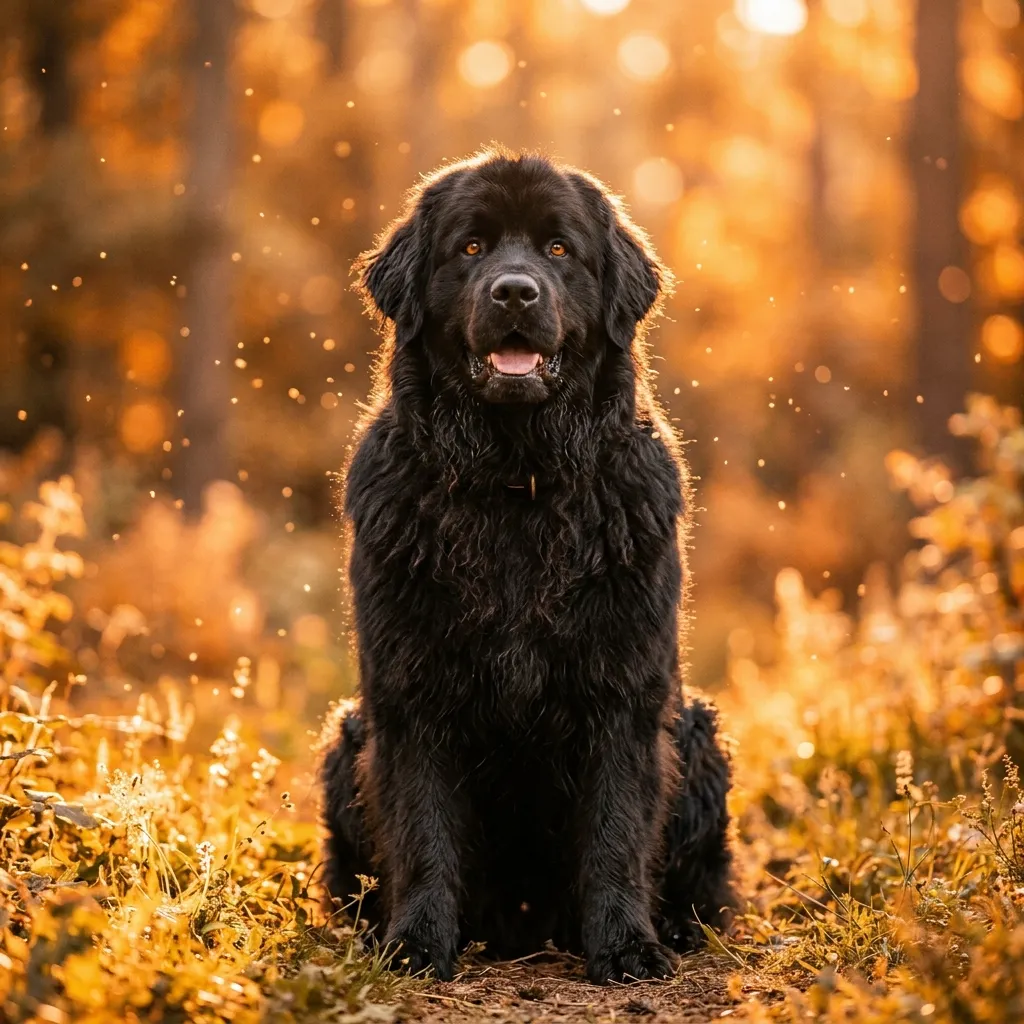
Newfoundland
Country of Origin: Canada
The Newfoundland temperament is the absolute gold standard for a "gentle giant." The breed standard explicitly states that "sweetness of temperament is the hallmark of the Newfoundland." They are profoundly docile, exceptionally patient, and famously devoted to their families, earning them the nickname "the nanny dog" for their legendary gentleness with children. Despite their massive, intimidating size, they are generally universally friendly and lack guarding aggression, though they will physically place themselves between their family and a perceived threat. They are highly intelligent, eager to please, and surprisingly sensitive; they respond beautifully to gentle, positive training. Indoors, they are remarkably low-energy, content to act as a massive, snoring rug.
Newfoundland health and care involve managing the immense challenges, massive grooming, and heartbreak of a giant breed. They have a relatively short lifespan, typically 9 to 10 years. The absolute most critical health risk is bloat (gastric dilatation-volvulus); preventative stomach-tacking surgery is highly recommended. They are highly susceptible to severe hip and elbow dysplasia, as well as a specific, fatal heart condition (Subvalvular Aortic Stenosis or SAS). Their massive, dense, waterproof double coat sheds copiously year-round and requires thorough, down-to-the-skin brushing several times a week to prevent massive matting. They drool significantly. They require daily, moderate walks, and absolute care must be taken not to over-exercise them during their prolonged puppyhood.
The Newfoundland history is the epic tale of a peerless, massive water rescue dog originating on the punishing, freezing shores of Newfoundland, Canada. While their exact ancestry is debated (likely a mix of indigenous dogs, Great Pyrenees, and Mastiffs brought by European fishermen), their purpose was indisputable. They were bred to be indispensable, multi-purpose working giants: hauling massive carts of fish to market, retrieving heavy nets from the icy North Atlantic, and most famously, performing astonishing acts of water rescue, plunging into freezing waves to save drowning sailors. Their immense strength, webbed feet, and staggering lung capacity made them maritime legends. The English refined the breed in the 19th century into the majestic giant we know today.
Is the Newfoundland the right dog for you? This majestic breed is for individuals or families who can accommodate a massive dog and commit to the significant financial, grooming, and emotional costs involved. Potential owners must be fully prepared for their short lifespan, the high likelihood of severe medical issues, the intense grooming commitment, and the massive amounts of drool and shed hair. You must be physically capable of handling a dog that can easily weigh 150 pounds. Because of their calm indoor nature, they are surprisingly adaptable, provided they get daily walks and have access to air conditioning. If you want a profoundly sweet, life-saving giant, the "Newfie" is unmatched.
Detailed Category Evaluation
Compare Newfoundland with Similar Breeds
See how Newfoundland stacks up against other Working and Giant dogs in size, barking and temperament.
 Giant
VS
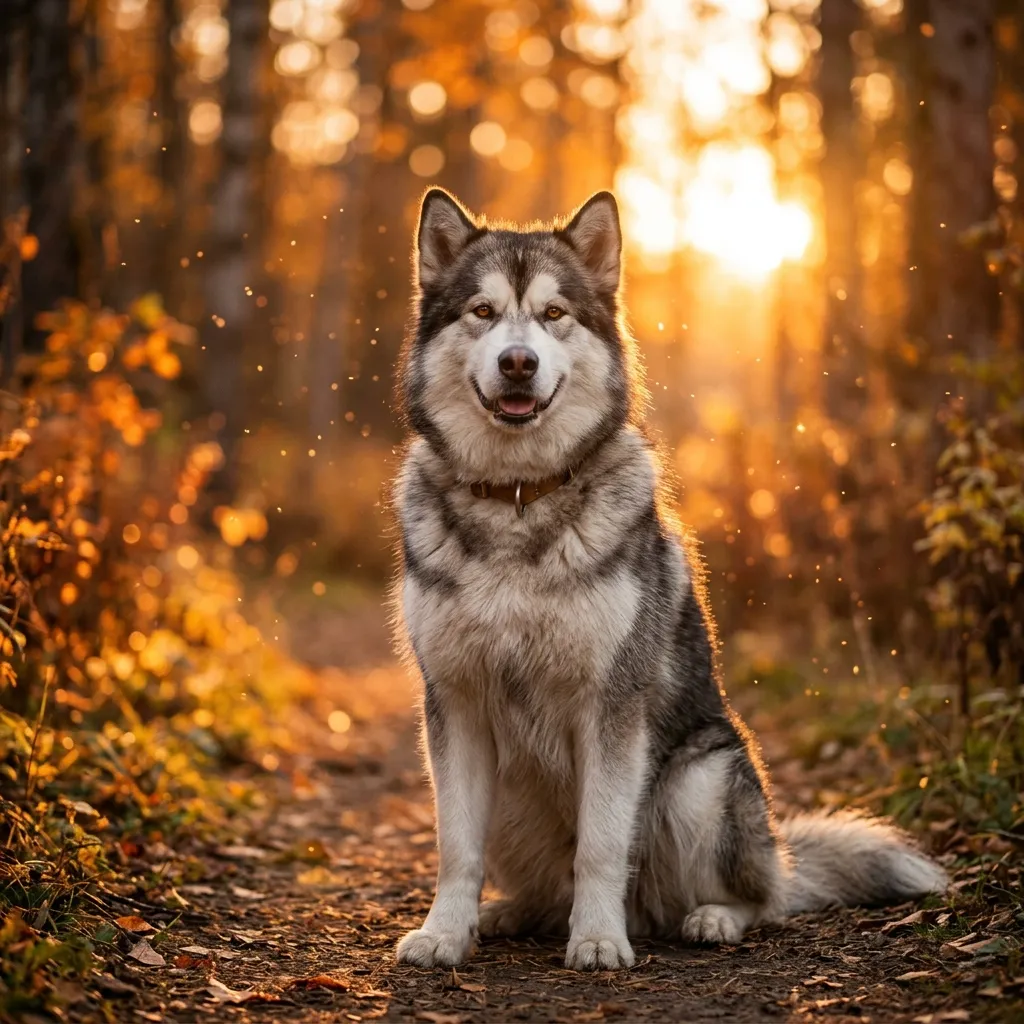
Alaskan Malamute
Working Group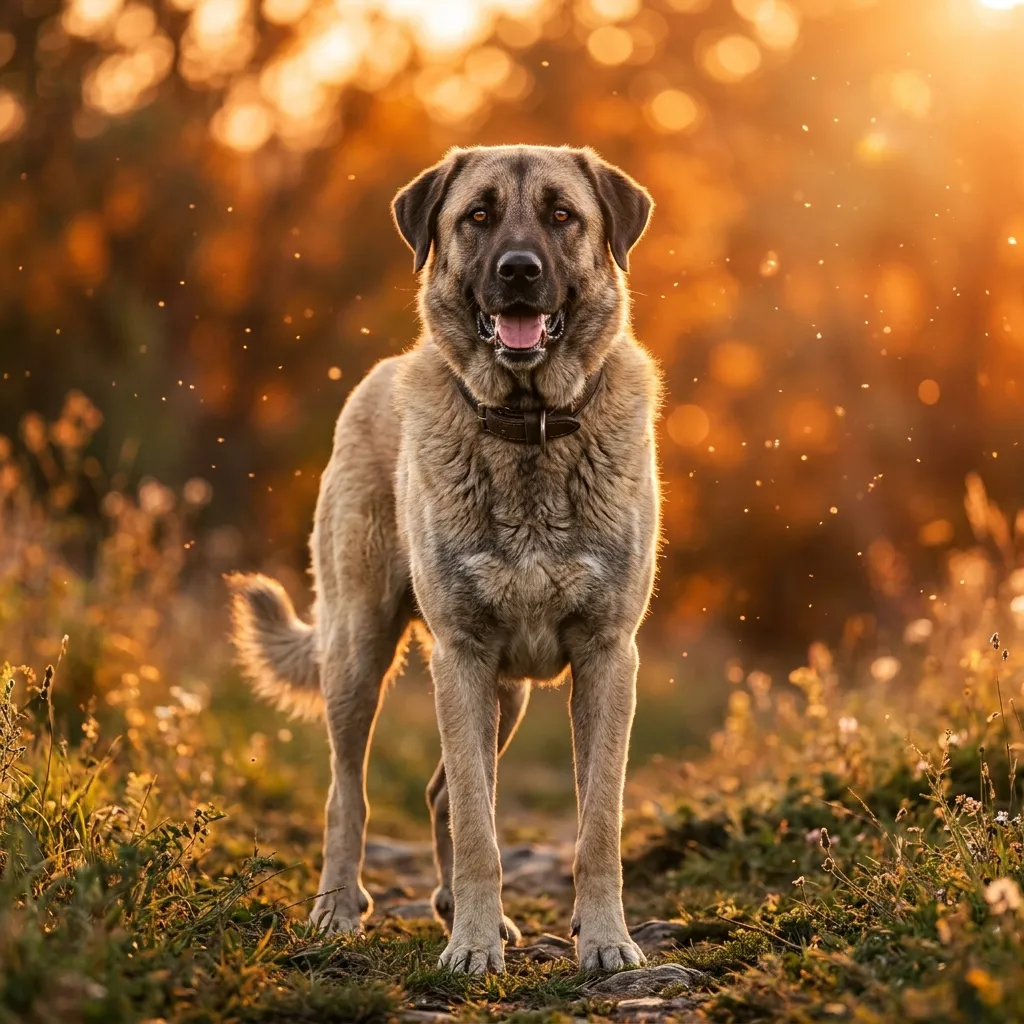 Giant
VS
Anatolian Shepherd Dog
Working Group Giant
VS