
Back to Dog Breeds Catalog
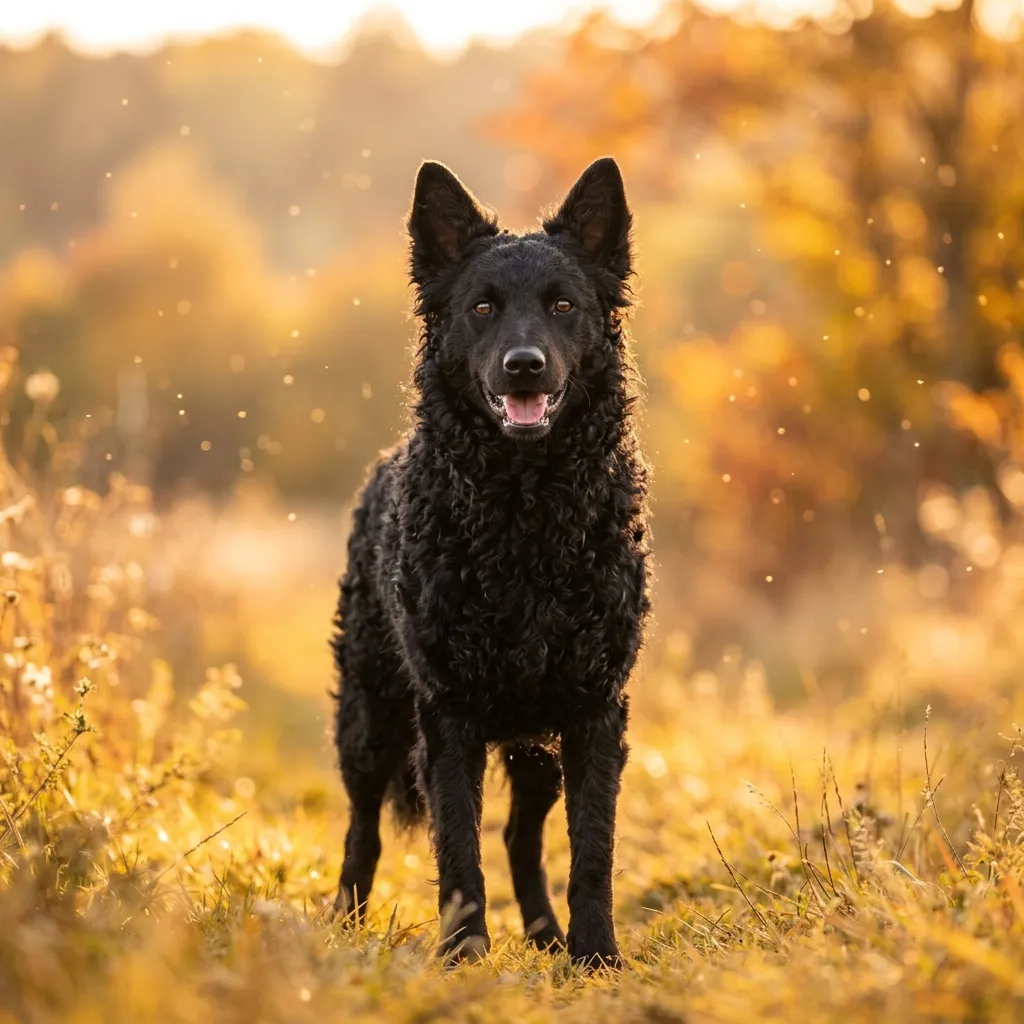
Mudi dog breed portrait - Medium Herding dog
Medium Size Herding Group

Key Behavioral Ratings

Energy Level ★★★★★ (5/5)
Family Affection ★★★★★ (5/5)
Training Ease ★★★★★ (5/5)
Child Friendly ★★★☆☆ (3/5)
Apartment Friendly ★★☆☆☆ (2/5)
Grooming Needs ★☆☆☆☆ (1/5)
★ Overall Rating: 4.40 / 5 ⓘ How it's calculated
Weighted average of 5 objective quality parameters (1–5 scale):
Overall Health4/5
Family Affection5/5
Child Friendly3/5
Training Ease5/5
Intelligence Level5/5
Lifestyle preferences like Size, Energy Level, Independence, and Barking Level do not penalize this score.
BREED OVERVIEW

Mudi

Country of Origin: Hungary

KEY TRAITS:
Intelligent, Active, Loyal
DIMENSIONS & STANDARDS
Average Height
38.1-47.0 cm
Average Weight
8.2-13.2 kg
Life Span
12-14 years
Coat
Curly (Medium)
Temperament & Personality

The Mudi temperament is defined by staggering intelligence, boundless energy, and an intensely alert, highly responsive nature. They are brilliant, highly trainable dogs that thrive absolutely on having a demanding, complex "job" to do; they excel at the highest levels of agility, obedience, and herding trials. To their families, they are exceptionally devoted and deeply affectionate, often bonding intensely with one primary person. However, they are highly territorial, naturally aloof, and suspicious of strangers, making them excellent, highly vocal watchdogs. They possess a massive herding instinct and a strong prey drive. They absolutely require an active owner who can channel their brilliant minds productively; without intense stimulation, they become highly destructive.

Balanced Household Companion
Adapts smoothly to varied home lifestyles, balancing affectionate loyalty with calm domestic presence.
BALANCED COMPANION
Health & Care Guidelines

Mudi health and care reflect their rugged, utilitarian evolution; they are an exceptionally hardy, robust breed with a long lifespan of 12 to 14 years. They have very few genetic health problems, though responsible breeders screen for hip dysplasia, patellar luxation, and certain eye conditions. Their defining feature—the striking, dense, curly or wavy coat (which comes in various colors, including a unique merle pattern)—is surprisingly low maintenance. It naturally repels dirt and requires only a thorough brushing once a week to prevent matting. The absolute most critical aspect of their care is fulfilling their staggering exercise and mental requirements. They require vigorous daily running and intense mental challenges to prevent severe boredom.

Breed History & Origins

The Mudi (pronounced "moody," plural Mudik) history is rooted in the vast plains of Hungary, though their exact origins are obscure. Unlike the highly distinct Puli or Komondor, the Mudi evolved naturally through the spontaneous interbreeding of various Hungarian herding dogs and likely small German Spitz types during the 18th and 19th centuries. They were not selectively bred for a specific "look," but entirely for their unparalleled utility. They were the indispensable, versatile farm dogs of Hungarian peasants, tasked with herding exceptionally stubborn cattle and sheep, exterminating vermin, and fiercely guarding the property. The breed was nearly wiped out during World War II, but a dedicated effort in the mid-20th century preserved this brilliant, rare herder.

Is This the Right Dog for You?

Is the Mudi the right dog for you? This extremely rare breed is strictly for highly active individuals, runners, or experienced dog sports competitors who want a brilliant, intensely loyal, and highly trainable canine athlete. They are completely unsuitable for apartment living, sedentary owners, or novice handlers who cannot provide a demanding "job." If their massive physical and mental needs are not met, they will become immensely frustrated, highly destructive, and excessively vocal. They require an owner who understands herding instincts and can provide firm, consistent leadership. If you want a tireless, incredibly intelligent working partner that is as unique as it is capable, the Mudi is spectacular.

Detailed Category Evaluation

Discover which dog breeds adapt best to apartment living. Assess if they prefer cozy corners or need more space. Ideal for apartment residents seeking a pet that fits snugly into their living environment.
Evaluate the companionship needs of different dog breeds. Some enjoy solitude, while others crave constant company. Perfect for finding a dog that matches your daily routine.
Learn how various dog breeds adapt to life's changes, including moving and routine shifts. Essential for owners who expect dynamic living conditions.
Uncover the climate preferences of different dog breeds, from cold-loving to sun-seeking. Essential for ensuring your chosen companion thrives in your local weather.
Understand the barking tendencies of various dog breeds. Some breeds vocalize more than others, affecting household dynamics and apartment suitability.
Measure the affection levels of different dog breeds. From heartwarming cuddles to more independent demeanors, find the dog that connects best with your family.
Assess the suitability of dog breeds with children. Perfect for families looking to add a pet to their home, ensuring safe and gentle interactions.
Rate dog breeds' compatibility with other pets. Ideal for multi-pet households looking to maintain a peaceful and friendly home environment.
Determine a breed's approach to unfamiliar people. Essential for owners who frequently have guests or prefer a more protective watch dog.
Gauge the drooling frequency of different dog breeds. Some breeds drool more than others, impacting your home grooming and cleaning routines.
Decode the grooming needs of dog breeds, from daily brushing to occasional baths. Perfect for aligning with your grooming availability.
Gauge the general health robustness of different dog breeds. Understand genetic predispositions and healthcare commitments.
Discover the weight management tendencies of dog breeds. Monitor dietary needs to ensure a long, fit and active life.
Learn about the shedding habits of various dog breeds. From minimal shedders to dogs with seasonal coat blows.
Find out if this breed produces low dander. Essential for households with allergy sufferers seeking a compatible companion.
Gauge the general physical scale of the breed to verify if it comfortably fits your vehicle, home and lifestyle.
Explore how quickly this breed picks up commands and obedience routines. From eager-to-please learners to more stubborn working temperaments.
Measure problem-solving capacity and working intelligence. Highly intelligent dogs thrive on puzzle toys, agility, and mental stimulation.
Assess instincts like prey drive, digging, herding, or scent tracking. Essential for proper leash training and recall in outdoor environments.
Uncover daily stamina and vigor. Low-energy dogs enjoy couch cuddles, while high-energy dogs require daily running and outdoor adventures.
Determine required walking minutes and physical challenges. Crucial to prevent boredom and destructive behaviors at home.
Rate interest in fetching balls, tug-of-war, and playful antics. Perfect for energetic owners looking for a fun companion.
⚡ HEAD-TO-HEAD COMPARISONS

Compare Mudi with Similar Breeds

See how Mudi stacks up against other Herding and Medium dogs in size, barking and temperament.
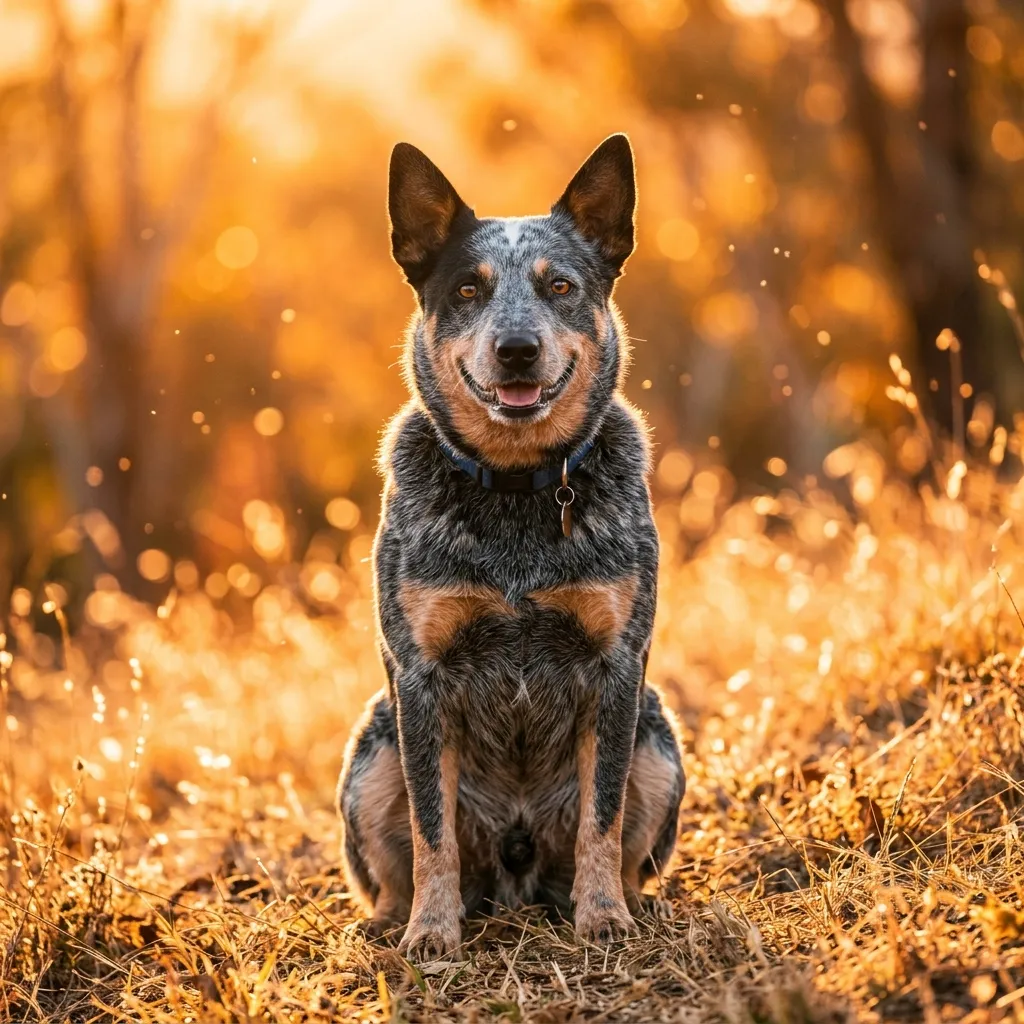
Australian Cattle Dog - Medium Herding dog Medium VS

Australian Cattle Dog

Herding Group
📏 Height 43.2-50.8 cm
⚖️ Weight 15.9-22.7 kg
🔊 Barking (AKC) ★★★★★
⚡ Compare Side-by-Side ➔
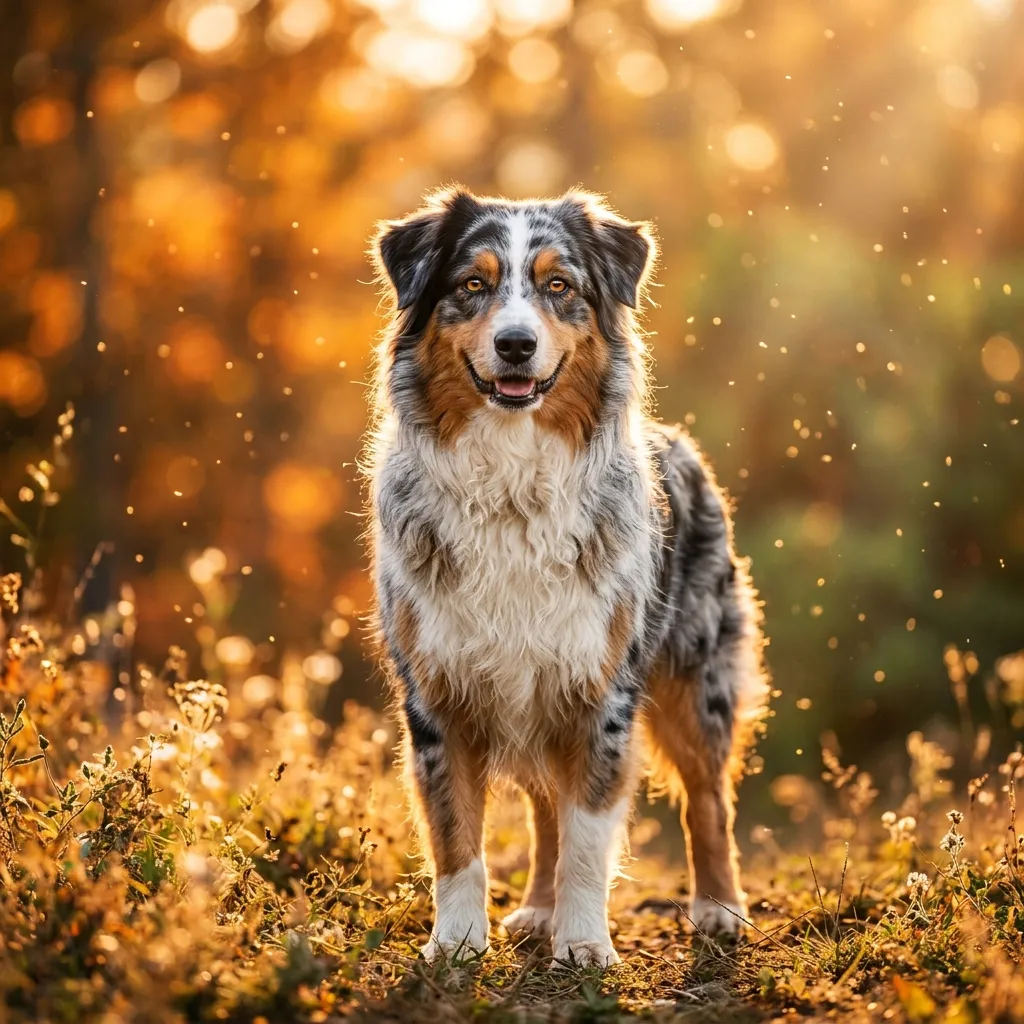
Australian Shepherd - Medium Herding dog Medium VS

Australian Shepherd

Herding Group
📏 Height 45.7-58.4 cm
⚖️ Weight 18.1-29.5 kg
🔊 Barking (AKC) ★★★★★
⚡ Compare Side-by-Side ➔
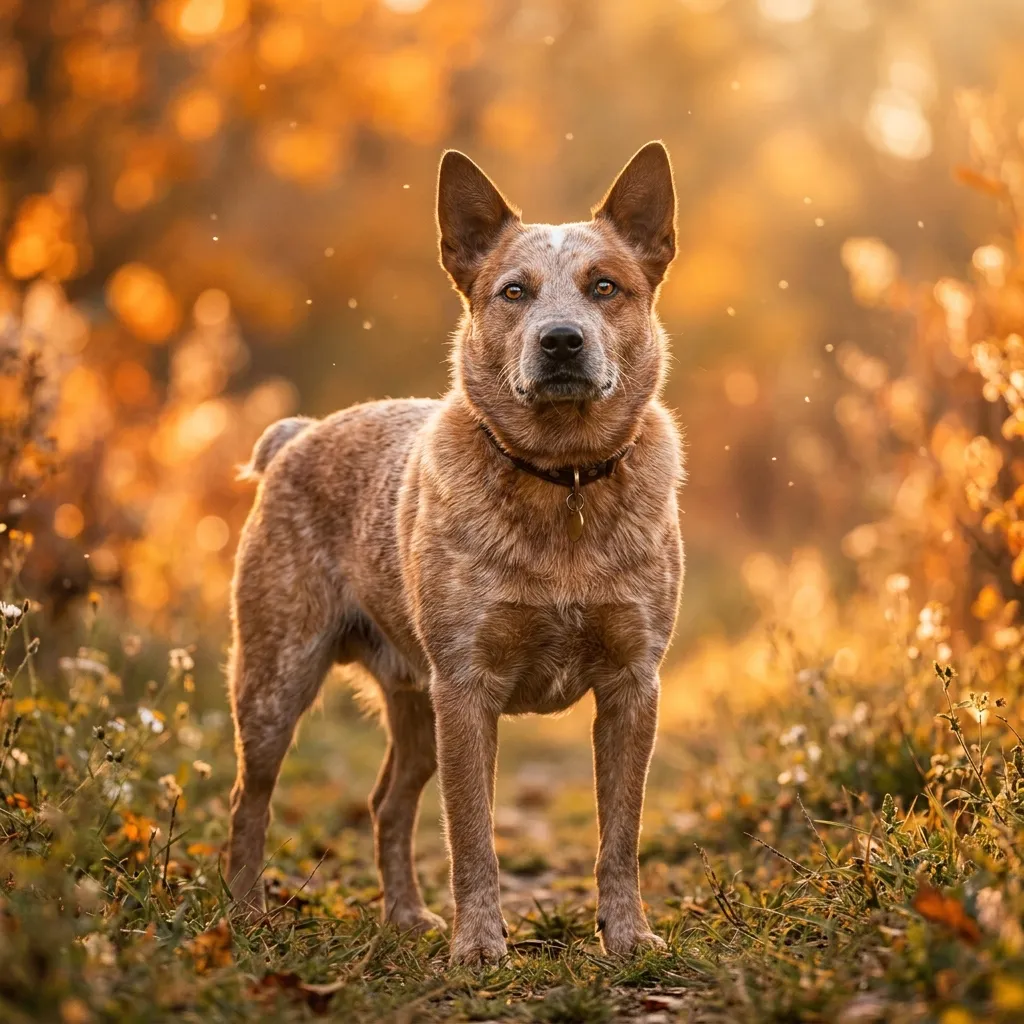
Australian Stumpy Tail Cattle Dog - Medium Herding dog Medium VS

Australian Stumpy Tail Cattle Dog

Herding Group
📏 Height 43.2-50.8 cm
⚖️ Weight 14.5-20.4 kg
🔊 Barking (AKC) ★★★★★
⚡ Compare Side-by-Side ➔
Scroll to Top