Back to Dog Breeds Catalog
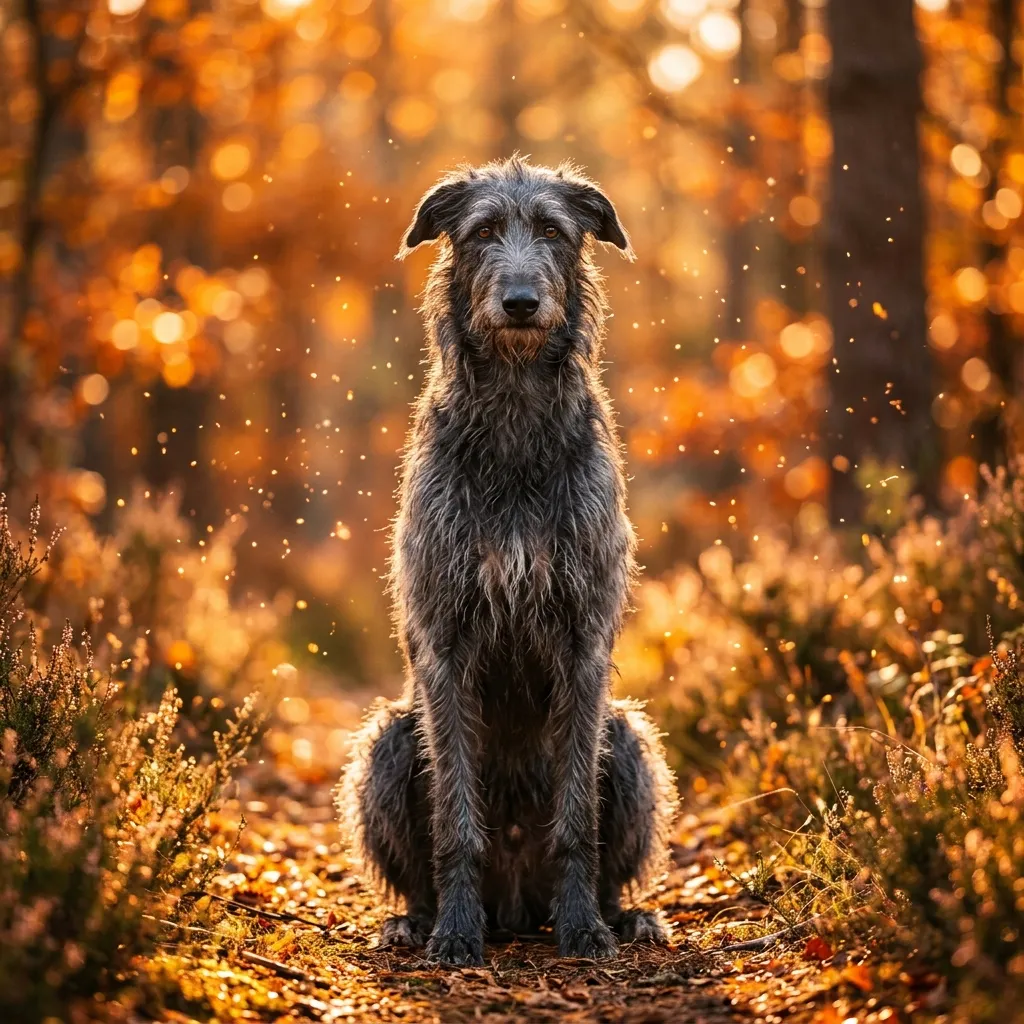
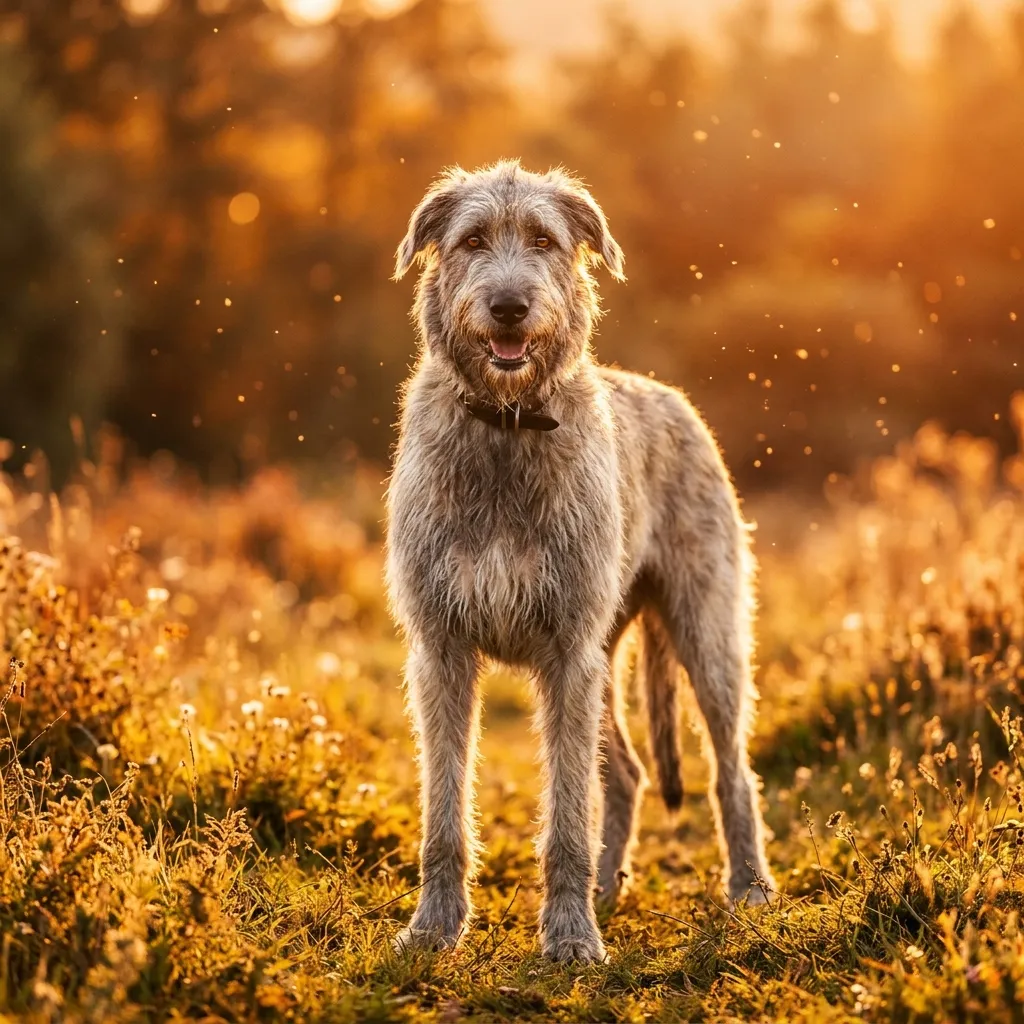
Irish Wolfhound dog breed portrait - Giant Hound dog
Giant Size Hound Group

Key Behavioral Ratings

Energy Level ★★★☆☆ (3/5)
Family Affection ★★★★★ (5/5)
Training Ease ★★★☆☆ (3/5)
Child Friendly ★★★☆☆ (3/5)
Apartment Friendly ★☆☆☆☆ (1/5)
Grooming Needs ★★☆☆☆ (2/5)
★ Overall Rating: 3.19 / 5 ⓘ How it's calculated
Weighted average of 5 objective quality parameters (1–5 scale):
Overall Health2/5
Family Affection5/5
Child Friendly3/5
Training Ease3/5
Intelligence Level3/5
Lifestyle preferences like Size, Energy Level, Independence, and Barking Level do not penalize this score.
BREED OVERVIEW

Irish Wolfhound

Country of Origin: Ireland

KEY TRAITS:
Gentle, Friendly, Dignified
DIMENSIONS & STANDARDS
Average Height
76.2-81.3 cm
Average Weight
47.6-54.4 kg
Life Span
6-8 years
Coat
Wiry (Long)
Temperament & Personality

The Irish Wolfhound temperament is the absolute epitome of the "gentle giant." Despite their terrifying history and towering size (they are the tallest of all dog breeds), they are profoundly sweet-natured, incredibly calm, and exceptionally affectionate. They form deep, quiet bonds with their families and are generally patient and gentle with children. Because they were bred to hunt independently, they are not naturally obedient; they are dignified, independent thinkers who respond best to very gentle, patient, and positive reinforcement training. They are highly alert sighthounds with a massive prey drive, but they are generally too friendly and easygoing to be effective guard dogs. They thrive on quiet companionship and being near their owners.

Multi-Pet & Social Harmony
Exhibits peaceful, welcoming sociability in multi-pet households with other dogs or pets.
MULTI-PET SOCIAL
Health & Care Guidelines

Irish Wolfhound health and care involve managing the immense heartbreak and specific vulnerabilities of a giant breed. They tragically have one of the shortest lifespans of any breed, typically 6 to 8 years. The absolute most critical health risk is bloat (gastric dilatation-volvulus), which is a leading cause of death; preventative stomach-tacking surgery is highly recommended. They are also highly susceptible to bone cancer (osteosarcoma) and severe heart conditions. Rapid growth during puppyhood must be meticulously managed with specialized diets to prevent crippling joint issues. Their harsh, wiry coat requires moderate maintenance—thorough brushing once a week. Surprisingly, they are low-energy indoors; a daily, moderate walk and a brief, safe sprint in a securely fenced area are sufficient exercise.

Breed History & Origins

The Irish Wolfhound history is epic, stretching back to antiquity. These staggering, massive hounds were bred by the ancient Gaels of Ireland for two highly dangerous purposes: hunting the colossal Irish Elk and eradicating the massive wolf population that threatened the island. They were the highly prized, exclusive property of kings and nobility across Europe, often given as royal gifts. Their immense size and fearsome reputation made them legends of folklore. By the 19th century, as the wolves and elk were hunted to extinction, the breed itself nearly vanished. In 1862, Captain George A. Graham dedicated his life to rescuing the breed, crossing the few remaining specimens with Deerhounds, Great Danes, and Borzoi to restore the majestic "hound of Ireland."

Is This the Right Dog for You?

Is the Irish Wolfhound the right dog for you? This majestic breed is for individuals or families who can accommodate a massive dog and commit to the significant financial and emotional costs involved. Potential owners must be fully prepared for the heartbreaking reality of their very short lifespan and the high likelihood of severe, expensive medical issues (especially bloat and cancer). You must be physically capable of handling a dog that can stand 3 feet at the shoulder and weigh 150 pounds. Because of their immense prey drive, they cannot be trusted off-leash. If you are prepared for the immense heartbreak, the Irish Wolfhound offers a profoundly deep, majestic, and gentle partnership.

Detailed Category Evaluation

Discover which dog breeds adapt best to apartment living. Assess if they prefer cozy corners or need more space. Ideal for apartment residents seeking a pet that fits snugly into their living environment.
Evaluate the companionship needs of different dog breeds. Some enjoy solitude, while others crave constant company. Perfect for finding a dog that matches your daily routine.
Learn how various dog breeds adapt to life's changes, including moving and routine shifts. Essential for owners who expect dynamic living conditions.
Uncover the climate preferences of different dog breeds, from cold-loving to sun-seeking. Essential for ensuring your chosen companion thrives in your local weather.
Understand the barking tendencies of various dog breeds. Some breeds vocalize more than others, affecting household dynamics and apartment suitability.
Measure the affection levels of different dog breeds. From heartwarming cuddles to more independent demeanors, find the dog that connects best with your family.
Assess the suitability of dog breeds with children. Perfect for families looking to add a pet to their home, ensuring safe and gentle interactions.
Rate dog breeds' compatibility with other pets. Ideal for multi-pet households looking to maintain a peaceful and friendly home environment.
Determine a breed's approach to unfamiliar people. Essential for owners who frequently have guests or prefer a more protective watch dog.
Gauge the drooling frequency of different dog breeds. Some breeds drool more than others, impacting your home grooming and cleaning routines.
Decode the grooming needs of dog breeds, from daily brushing to occasional baths. Perfect for aligning with your grooming availability.
Gauge the general health robustness of different dog breeds. Understand genetic predispositions and healthcare commitments.
Discover the weight management tendencies of dog breeds. Monitor dietary needs to ensure a long, fit and active life.
Learn about the shedding habits of various dog breeds. From minimal shedders to dogs with seasonal coat blows.
Find out if this breed produces low dander. Essential for households with allergy sufferers seeking a compatible companion.
Gauge the general physical scale of the breed to verify if it comfortably fits your vehicle, home and lifestyle.
Explore how quickly this breed picks up commands and obedience routines. From eager-to-please learners to more stubborn working temperaments.
Measure problem-solving capacity and working intelligence. Highly intelligent dogs thrive on puzzle toys, agility, and mental stimulation.
Assess instincts like prey drive, digging, herding, or scent tracking. Essential for proper leash training and recall in outdoor environments.
Uncover daily stamina and vigor. Low-energy dogs enjoy couch cuddles, while high-energy dogs require daily running and outdoor adventures.
Determine required walking minutes and physical challenges. Crucial to prevent boredom and destructive behaviors at home.
Rate interest in fetching balls, tug-of-war, and playful antics. Perfect for energetic owners looking for a fun companion.
⚡ HEAD-TO-HEAD COMPARISONS

Compare Irish Wolfhound with Similar Breeds

See how Irish Wolfhound stacks up against other Hound and Giant dogs in size, barking and temperament.
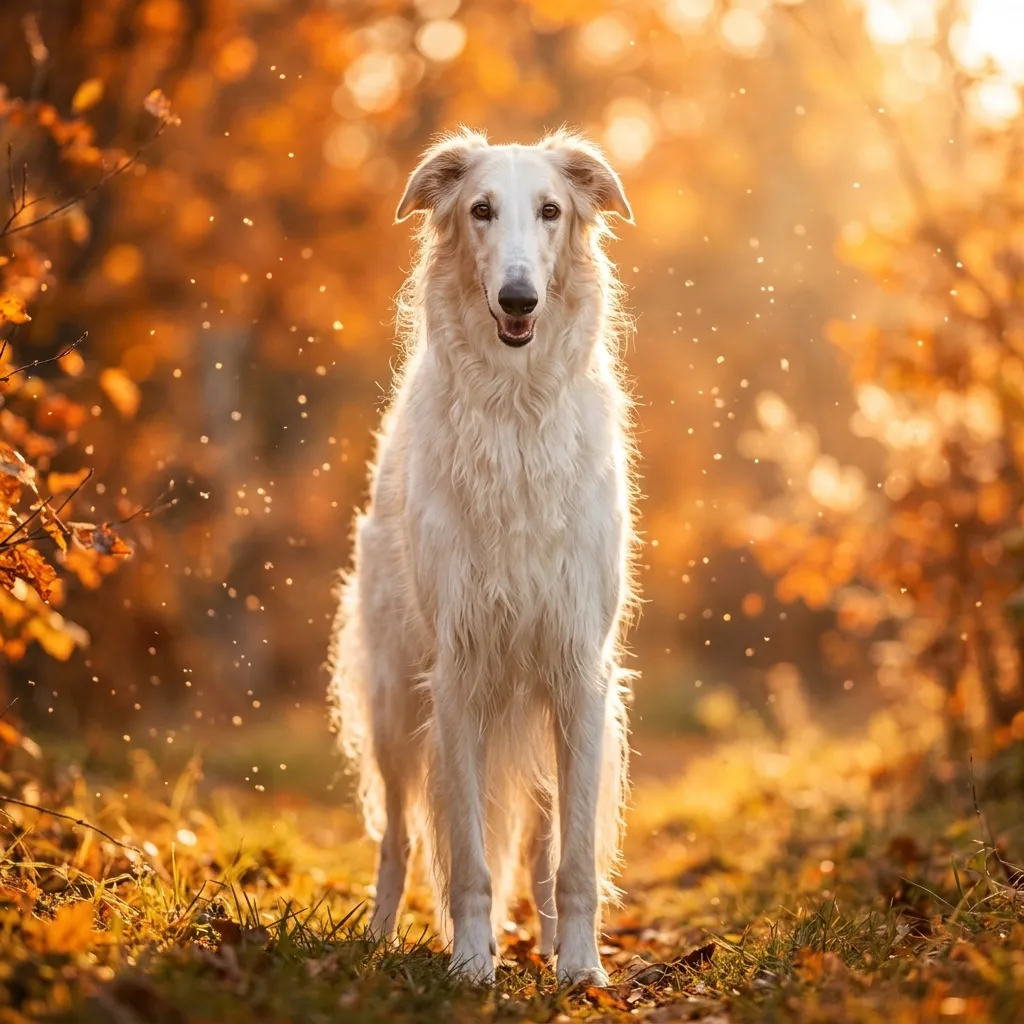
Borzoi - Giant Hound dog Giant VS

Borzoi

Hound Group
📏 Height 66.0-71.1 cm
⚖️ Weight 27.2-47.6 kg
🔊 Barking (AKC) ★★★★★
⚡ Compare Side-by-Side ➔
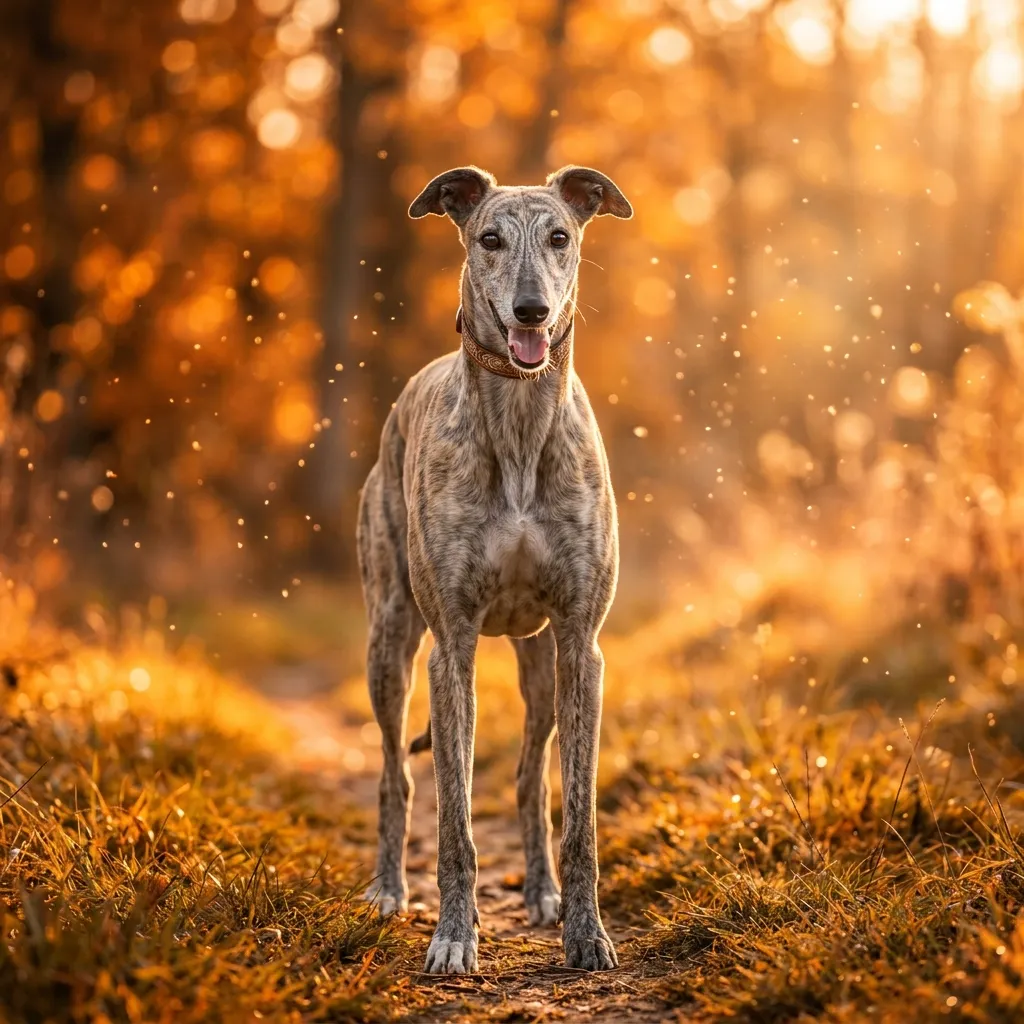
Greyhound - Giant Hound dog Giant VS

Greyhound

Hound Group
📏 Height 68.6-76.2 cm
⚖️ Weight 27.2-31.8 kg
🔊 Barking (AKC) ★★★★★
⚡ Compare Side-by-Side ➔
Scottish Deerhound - Giant Hound dog Giant VS

Scottish Deerhound

Hound Group
📏 Height 71.1-81.3 cm
⚖️ Weight 34.0-49.9 kg
🔊 Barking (AKC) ★★★★★
⚡ Compare Side-by-Side ➔
Scroll to Top