
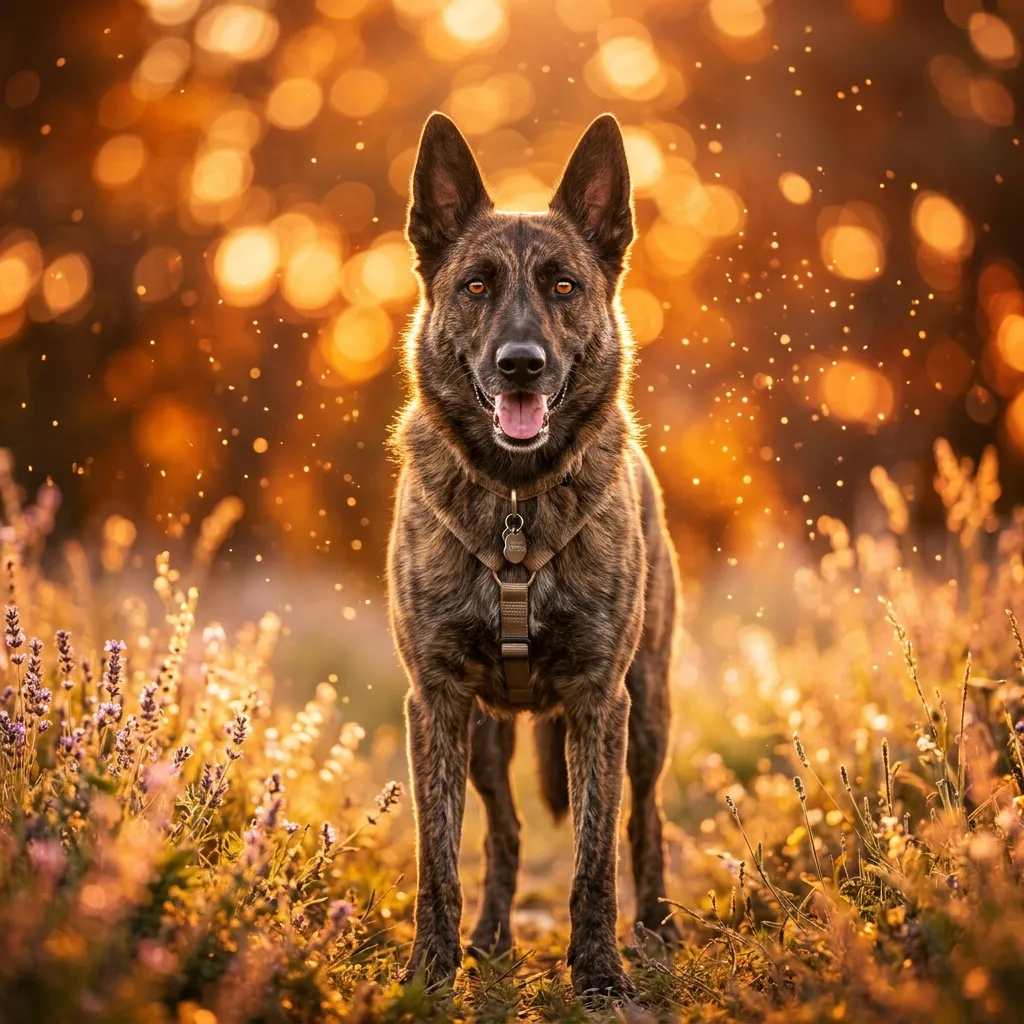
Dutch Shepherd
Country of Origin: Netherlands
The Dutch Shepherd temperament is defined by immense intelligence, high energy, and a profound, unwavering loyalty to its handler. They are intense, serious working dogs that thrive on having a demanding "job" to do. They are deeply affectionate and protective of their families, making them naturally excellent, discerning watchdogs. While they share traits with the German and Belgian Shepherds, the "Dutchie" is often considered slightly more independent and occasionally more stubborn, requiring a highly confident, experienced owner. They do not respond well to repetitive, boring training; they need varied, complex mental challenges and positive reinforcement. Early, extensive socialization is absolutely critical to ensure their natural guarding instincts remain balanced and they do not become overly suspicious of strangers.
Dutch Shepherd health and care reflect their rugged working origins; they are generally one of the healthiest and most robust of the shepherd breeds, with a lifespan of 11 to 14 years. They have a lower incidence of the severe genetic issues that plague some other herding breeds, though responsible breeders still screen for hip and elbow dysplasia. The breed comes in three coat varieties: short-hair, long-hair, and wire-hair. The short and long coats require regular brushing, particularly during heavy seasonal shedding, while the wire-hair needs occasional hand-stripping. The absolute most critical aspect of their care is providing massive amounts of vigorous physical exercise and intense mental stimulation daily; a simple walk is never enough for this highly driven breed.
The Dutch Shepherd history is firmly rooted in the rural farming communities of the Netherlands. Emerging in the 1800s, they were the quintessential all-purpose farm dogs. These highly intelligent, athletic canines were expected to herd sheep and cattle, pull small carts, guard the farmstead, and serve as loyal companions. By the early 20th century, as industrialization reduced the need for farm dogs, the breed's numbers plummeted. To preserve them, a breed standard was established in 1898, specifically emphasizing their unique brindle coat to distinguish them from the closely related German and Belgian Shepherds. Today, while still rare compared to their cousins, the Dutch Shepherd is highly prized worldwide for police, military, and search-and-rescue work due to its exceptional trainability and drive.
Is the Dutch Shepherd the right dog for you? This breed is strictly for highly active, experienced dog owners who want a serious working partner or a competitor in high-level dog sports (like Schutzhund, agility, or obedience). They are completely unsuitable for first-time owners, apartment living, or sedentary lifestyles. Without a "job" and rigorous daily exercise, a Dutch Shepherd will become immensely frustrated, destructive, and difficult to handle. Their strong guarding instincts require an owner committed to intensive, lifelong training and socialization. If you are an athlete, a dog sport enthusiast, or need a highly capable working dog, the Dutch Shepherd offers unparalleled intelligence, versatility, and fierce devotion.
Detailed Category Evaluation
Compare Dutch Shepherd with Similar Breeds
See how Dutch Shepherd stacks up against other Herding and Medium dogs in size, barking and temperament.
 Medium
VS
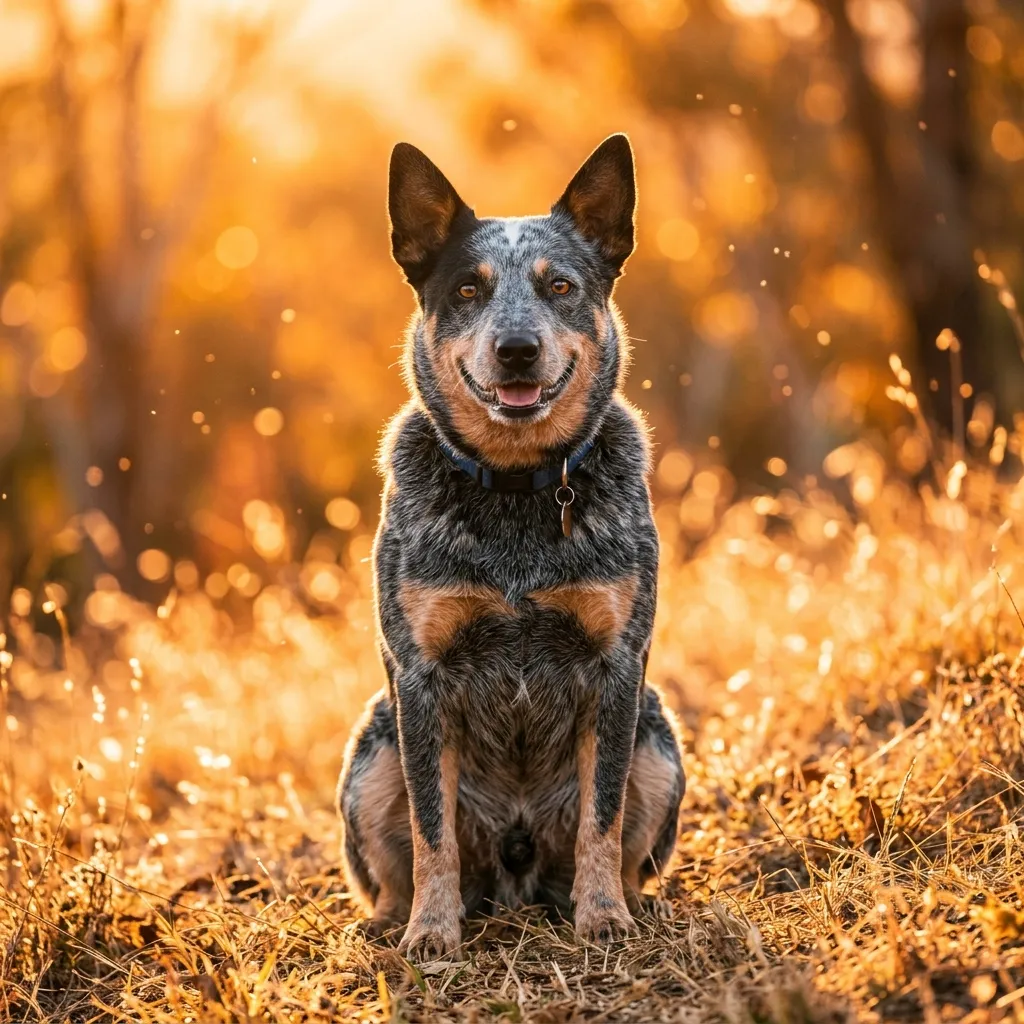
Australian Cattle Dog
Herding Group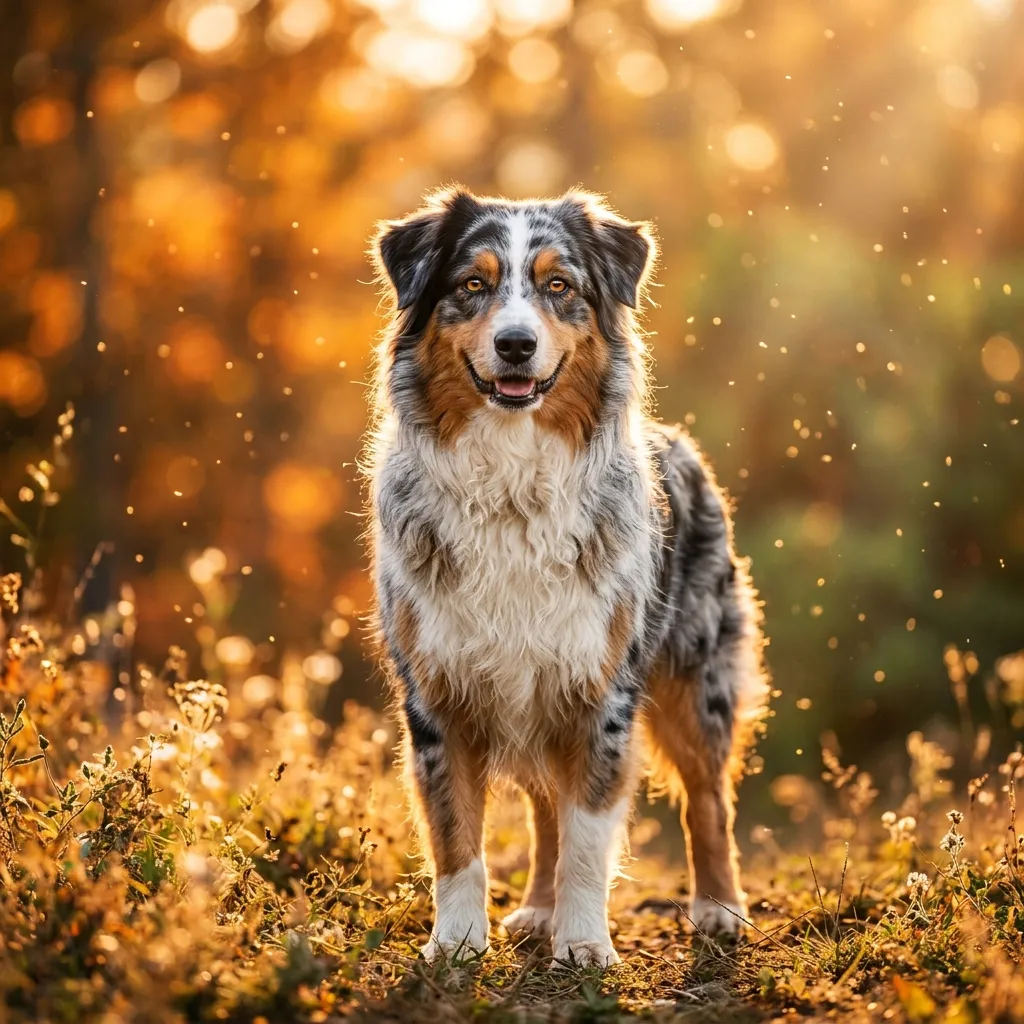 Medium
VS
Australian Shepherd
Herding Group Medium
VS