8 Surprising Facts About Dog Noses, Sleep & Breed Quirks
Even lifelong dog lovers are often surprised by how specialized different breeds have become. Here are eight verified, science-backed quirks across our 288-breed database. Every dog nose print is unique: Just like…
Universal Hub Spot Editorial Team
· 2 min read
Even lifelong dog lovers are often surprised by how specialized different breeds have become. Here are eight verified, science-backed quirks across our 288-breed database.
- Every dog nose print is unique: Just like human fingerprints, the ridge pattern on a dog’s wet nose is completely individual and never changes with age.
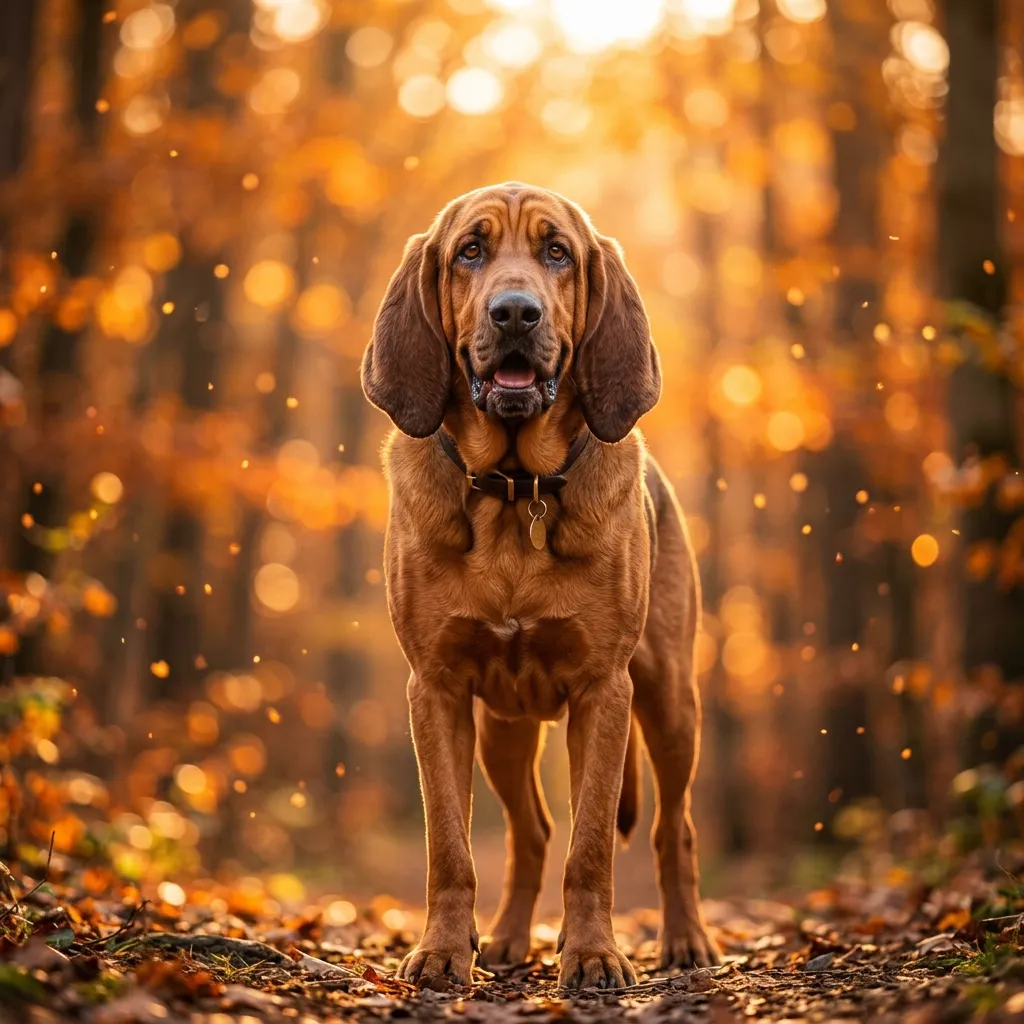
- Bloodhounds can follow a scent over 100 hours old: With roughly 300 million olfactory receptors and long drooping ears that sweep scent molecules toward the nose, the Bloodhound is an unmatched tracking specialist.
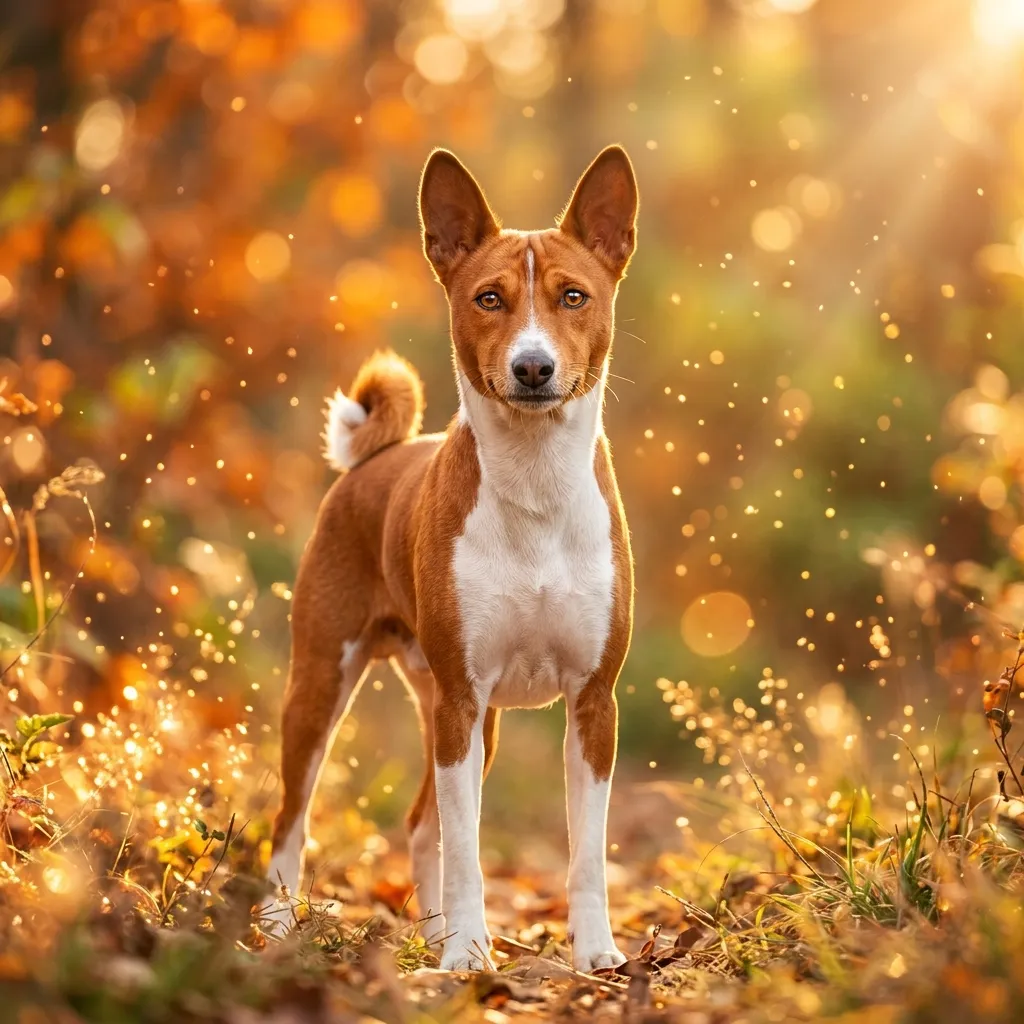
- Basenjis don’t bark — they yodel: Known as the “barkless dog,” the Basenji has an unusually shaped larynx that produces a melodic chortle called a barroo instead of a standard bark.
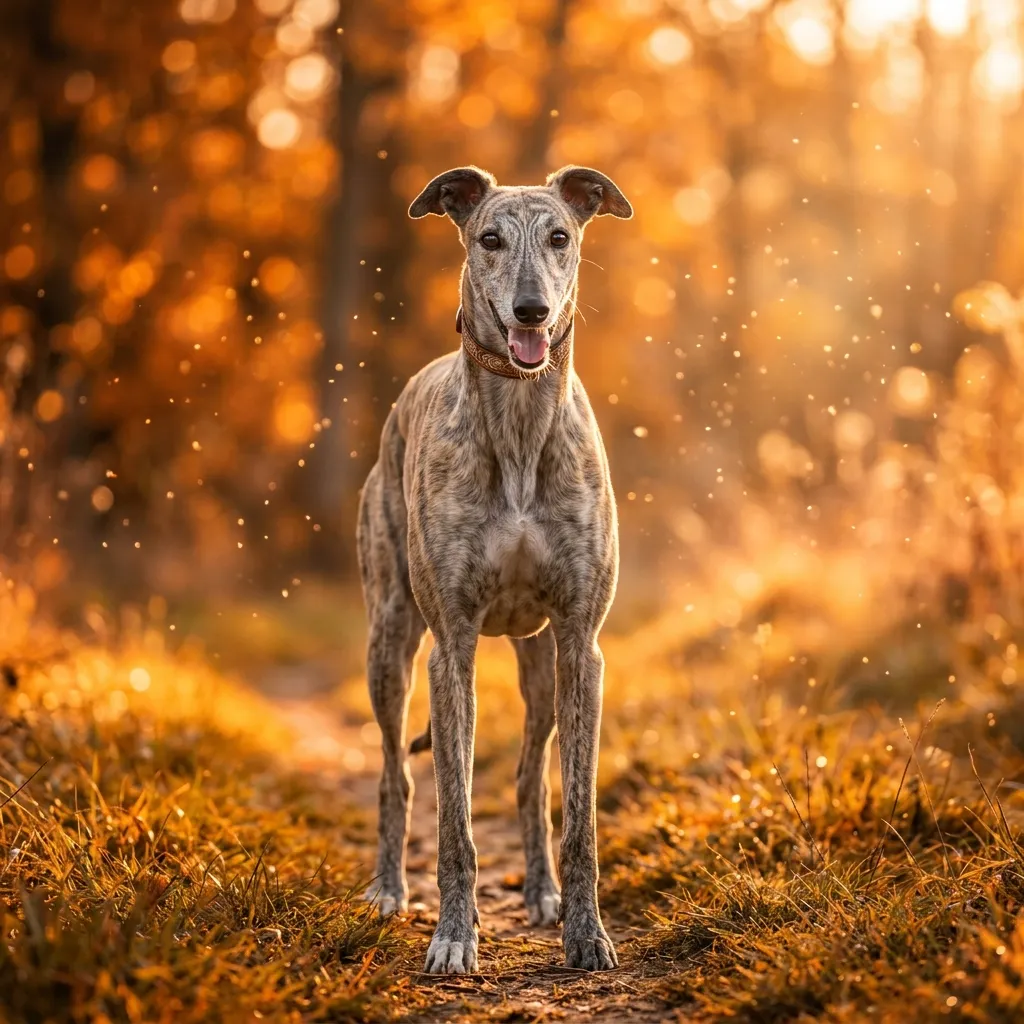
- Greyhounds are 45-mph couch potatoes: Despite being the fastest dog breed on Earth, the Greyhound is famously calm indoors and happily sleeps up to 18 hours a day.
- Dogs dream just like humans: Brainwave studies show dogs enter REM sleep, which is why sleeping paws twitch as if chasing a ball.
- A wet nose boosts scent detection: A thin layer of mucus traps microscopic odor particles, helping dogs analyze direction and freshness with every sniff.
- Three eyelids protect their eyes: In addition to upper and lower lids, dogs have a nictitating membrane (“third eyelid”) that clears dust and keeps the cornea moist.
- Puppies are born deaf and blind: Ear canals and eyes only open around two weeks of age, so newborn puppies navigate entirely by warmth, touch, and scent.
Want to see which breeds match your home and daily energy? Try the Dogs Match Finder or browse all 288 Dog Breeds.
Profiles From These Fun Facts

📰 Blog