The Ancient Story of the Siamese and Burmese Temple Cats
Long before pedigreed cat shows existed in London or New York, colorpoint Siamese and warm-toned Burmese cats were treasured inside royal courts and Buddhist monasteries in Southeast Asia. Their story blends centuries-old…
· 2 min read
Long before pedigreed cat shows existed in London or New York, colorpoint Siamese and warm-toned Burmese cats were treasured inside royal courts and Buddhist monasteries in Southeast Asia. Their story blends centuries-old manuscripts, diplomatic gifts, and distinctive genetics.
Illustrated in the 14th-Century Cat Book Poems
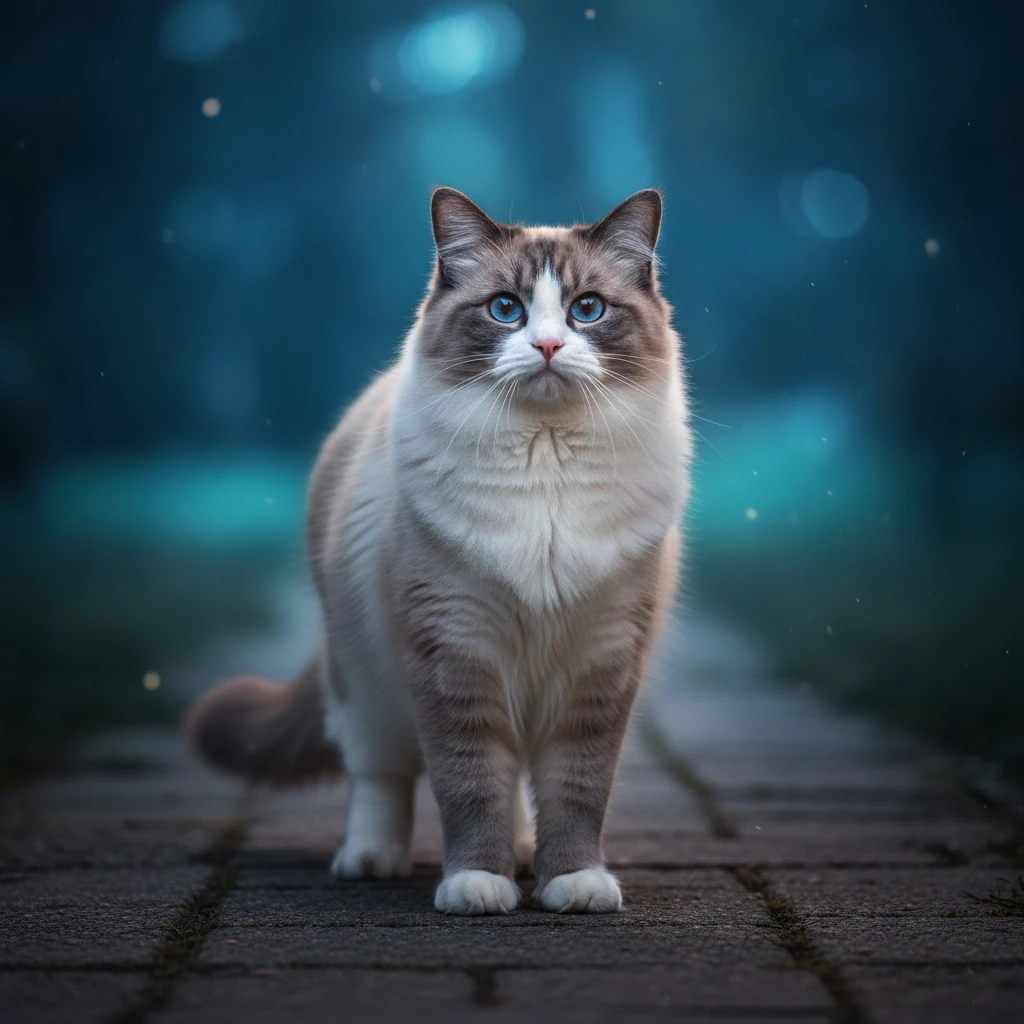
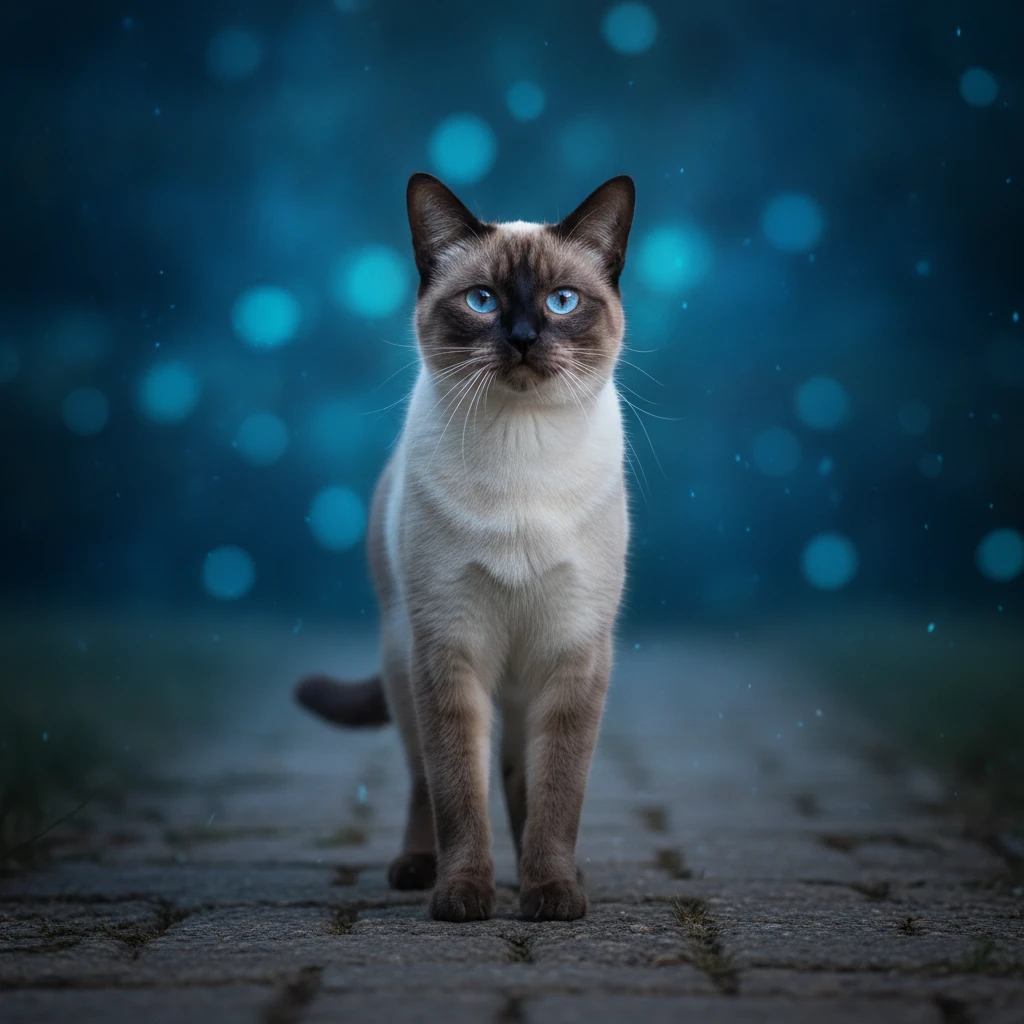
In the historic kingdom of Ayutthaya (modern-day Thailand), court scribes compiled the Tamra Maew — the “Treatise on Cats” — between the 14th and 18th centuries. Among the auspicious breeds illustrated on folded mulberry-paper manuscripts was the Wichienmaat (“Moon Diamond”), recognizable today as the Siamese with its pale body, dark mask, ears, paws, and sapphire-blue eyes.
Guardians of Royal Courts and Monasteries
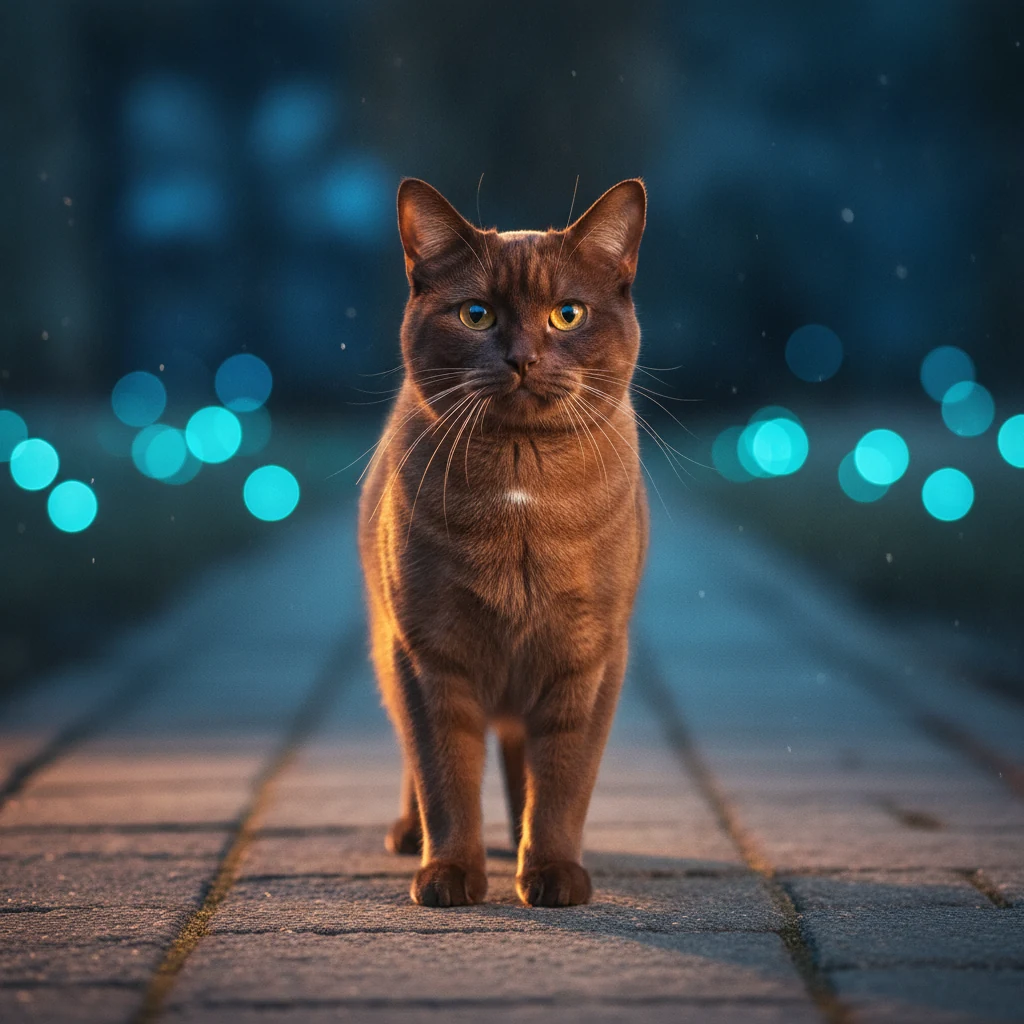
According to Thai tradition, these striking cats were considered bringers of good fortune and were entrusted to royal palaces and temple grounds. Monks cared for them alongside copper-coated temple cats known as Thong Daeng, the direct ancestors of the modern Burmese.
In 1884, the British Consul-General in Bangkok, Edward Blencowe Gould, received a pair of Siamese cats named Pho and Mia as a farewell gift and brought them to London — sparking an immediate sensation at the Crystal Palace Cat Show.
How Their Heritage Shapes Their Personality Today
Centuries of living closely alongside humans left both breeds remarkably people-oriented. Unlike aloof cats that prefer solitude, Siamese and Burmese cats are famously vocal, curious, and eager to follow their favorite people from room to room. Compare their temperament scores on our Cats Hub or browse all 75 Cat Breeds.
Meet the Breeds Behind the Story

📰 Blog