Back to Dog Breeds Catalog
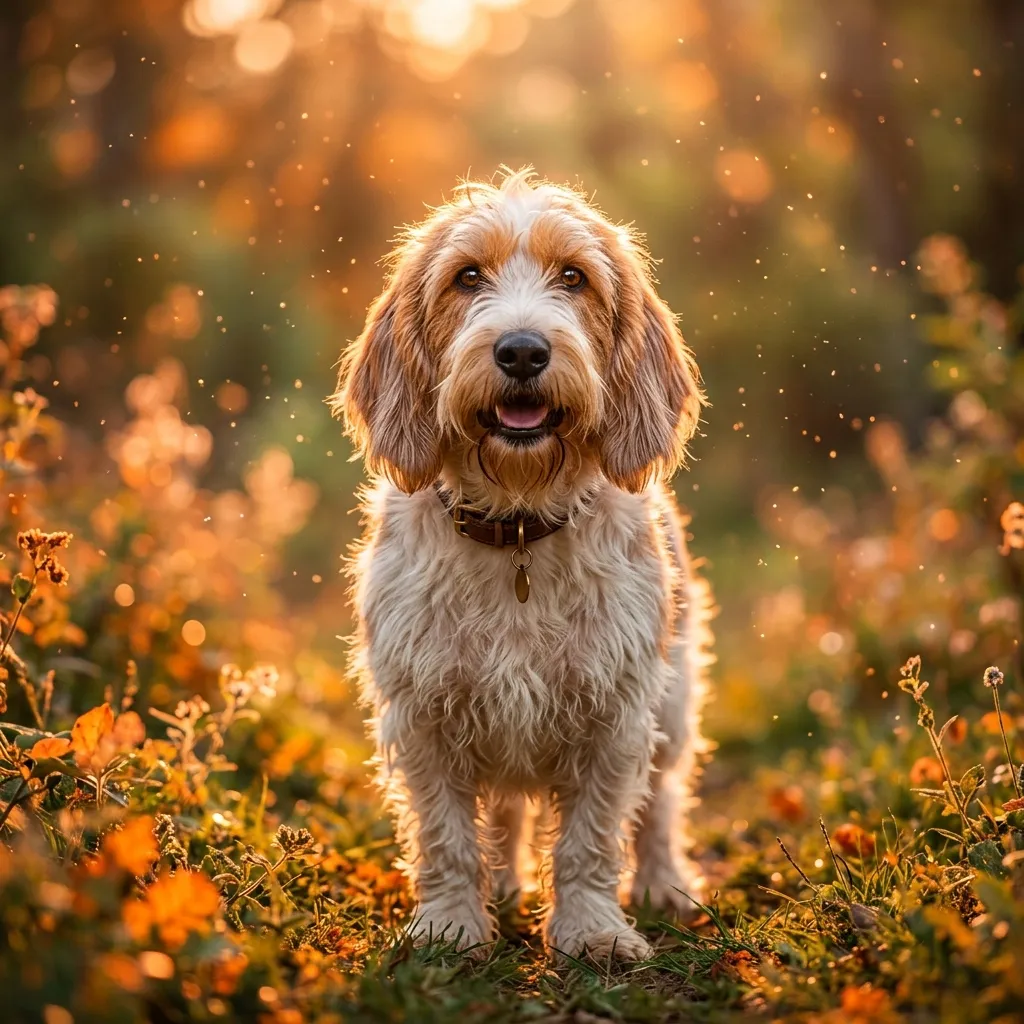
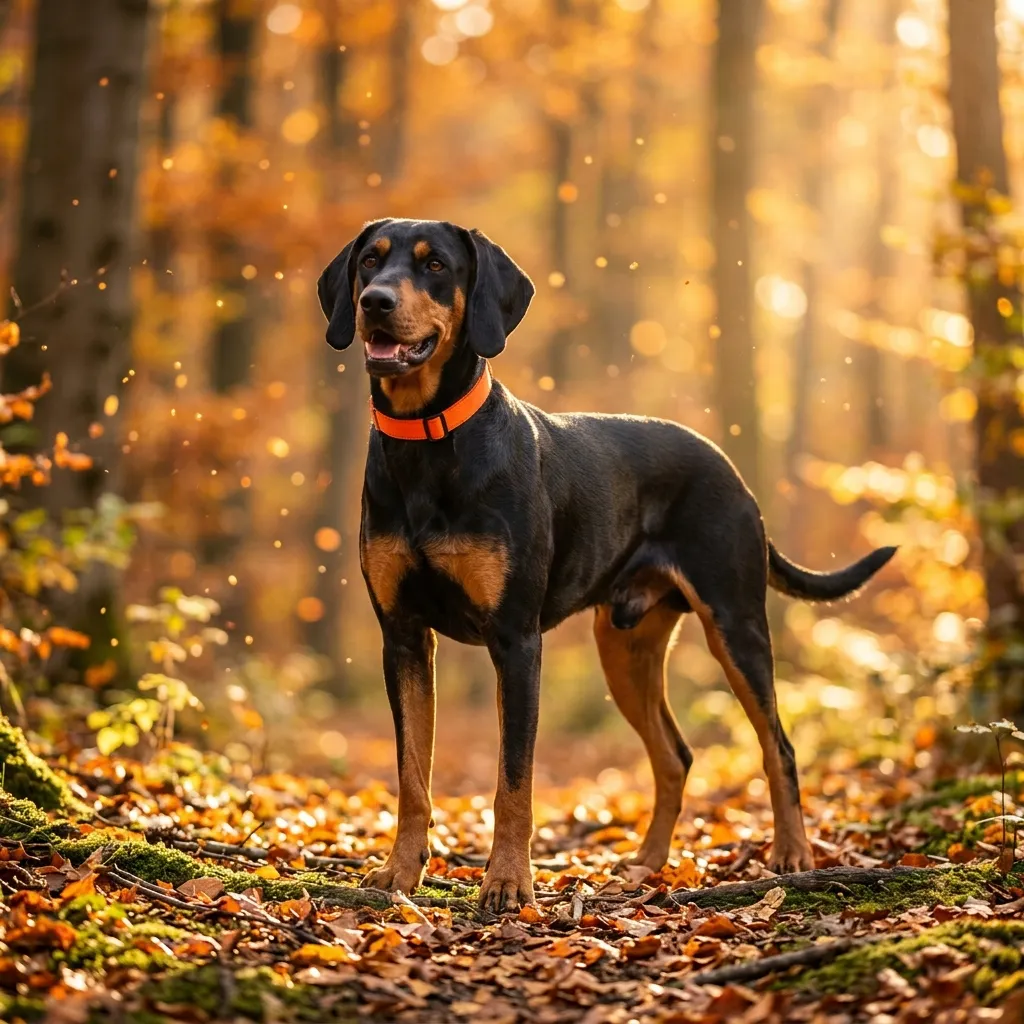
Transylvanian Hound dog breed portrait - Medium Hound dog
Medium Size Hound Group

Key Behavioral Ratings

Energy Level ★★★★★ (5/5)
Family Affection ★★★★★ (5/5)
Training Ease ★★★★☆ (4/5)
Child Friendly ★★★★★ (5/5)
Apartment Friendly ★★★☆☆ (3/5)
Grooming Needs ★★☆☆☆ (2/5)
★ Overall Rating: 4.21 / 5 ⓘ How it's calculated
Weighted average of 5 objective quality parameters (1–5 scale):
Overall Health4/5
Family Affection5/5
Child Friendly5/5
Training Ease4/5
Intelligence Level3/5
Lifestyle preferences like Size, Energy Level, Independence, and Barking Level do not penalize this score.
BREED OVERVIEW

Transylvanian Hound

Country of Origin: Romania

KEY TRAITS:
Loyal, Courageous, Calm
DIMENSIONS & STANDARDS
Average Height
55.9-66.0 cm
Average Weight
24.9 kg
Life Span
10-14 years
Coat
Double (Medium)
Temperament & Personality

The Transylvanian Hound temperament is defined by immense, relentless working drive in the field, and a profoundly calm, highly independent, and deeply loyal nature at home. They are serious, uncompromising scenthounds. In the field, they are fearless and possess a massive prey drive; they hunt far from the owner, utilizing a distinct, highly resonant, ringing bark to indicate they have found game. At home, they are remarkably even-tempered, deeply devoted to their families, but rarely "clingy." However, unlike many mellow hounds, they are highly territorial, naturally extremely aloof, and deeply suspicious of strangers, making them excellent, discerning watchdogs and capable guard dogs. They require firm, confident leadership.

Family & Social Integration Profile
Thrives in active family homes with children, forging deep household devotion and eager daily engagement.
FAMILY COMPANION
Health & Care Guidelines

Transylvanian Hound health and care reflect their rugged, mountain-hunting origins; they are an exceptionally hardy, robust breed with a lifespan of 10 to 14 years. They have virtually no genetic health problems, making them incredibly healthy, as they were bred strictly for survival and function. Their defining feature—the dense, short, coarse black-and-tan coat—is exceptionally low maintenance, providing excellent protection against thorny brush; it requires only a quick weekly brushing. The absolute most critical aspect of their care is fulfilling their staggering exercise requirements. They require massive amounts of vigorous daily running or hunting in a safely enclosed area.

Breed History & Origins

The Transylvanian Hound (Erdélyi Kopó) history is incredibly ancient, noble, and deeply rooted in the harsh, heavily forested Carpathian Mountains of Eastern Europe (specifically the historical region of Transylvania, now largely in Romania). Dating back to the Middle Ages, they were the elite, highly prized hunting dogs of Hungarian kings and Transylvanian aristocrats. They were bred for a singular, brutal purpose: to aggressively track, corner, and hold massive, dangerous game—specifically brown bears, wild boar, and lynx—in punishing terrain. The breed nearly went completely extinct during the political upheavals of the 20th century in Romania, but a dedicated group of Hungarian enthusiasts painstakingly resurrected them in the 1960s.

Is This the Right Dog for You?

Is the Transylvanian Hound the right dog for you? This rare, primitive hound is strictly for elite, highly active individuals, runners, or dedicated hunters who want a brilliant, intensely loyal, and fearless working partner. They are completely unsuitable for apartment living, sedentary owners, or novice handlers. Because of their uncompromising nose and massive prey drive, they must *never* be allowed off-leash in unfenced areas; they will vanish following a scent. If their extreme exercise and mental needs are not met, they will become immensely frustrated and destructive. If you want a tireless, noble "bear hunter," they are spectacular.

Detailed Category Evaluation

Discover which dog breeds adapt best to apartment living. Assess if they prefer cozy corners or need more space. Ideal for apartment residents seeking a pet that fits snugly into their living environment.
Evaluate the companionship needs of different dog breeds. Some enjoy solitude, while others crave constant company. Perfect for finding a dog that matches your daily routine.
Learn how various dog breeds adapt to life's changes, including moving and routine shifts. Essential for owners who expect dynamic living conditions.
Uncover the climate preferences of different dog breeds, from cold-loving to sun-seeking. Essential for ensuring your chosen companion thrives in your local weather.
Understand the barking tendencies of various dog breeds. Some breeds vocalize more than others, affecting household dynamics and apartment suitability.
Measure the affection levels of different dog breeds. From heartwarming cuddles to more independent demeanors, find the dog that connects best with your family.
Assess the suitability of dog breeds with children. Perfect for families looking to add a pet to their home, ensuring safe and gentle interactions.
Rate dog breeds' compatibility with other pets. Ideal for multi-pet households looking to maintain a peaceful and friendly home environment.
Determine a breed's approach to unfamiliar people. Essential for owners who frequently have guests or prefer a more protective watch dog.
Gauge the drooling frequency of different dog breeds. Some breeds drool more than others, impacting your home grooming and cleaning routines.
Decode the grooming needs of dog breeds, from daily brushing to occasional baths. Perfect for aligning with your grooming availability.
Gauge the general health robustness of different dog breeds. Understand genetic predispositions and healthcare commitments.
Discover the weight management tendencies of dog breeds. Monitor dietary needs to ensure a long, fit and active life.
Learn about the shedding habits of various dog breeds. From minimal shedders to dogs with seasonal coat blows.
Find out if this breed produces low dander. Essential for households with allergy sufferers seeking a compatible companion.
Gauge the general physical scale of the breed to verify if it comfortably fits your vehicle, home and lifestyle.
Explore how quickly this breed picks up commands and obedience routines. From eager-to-please learners to more stubborn working temperaments.
Measure problem-solving capacity and working intelligence. Highly intelligent dogs thrive on puzzle toys, agility, and mental stimulation.
Assess instincts like prey drive, digging, herding, or scent tracking. Essential for proper leash training and recall in outdoor environments.
Uncover daily stamina and vigor. Low-energy dogs enjoy couch cuddles, while high-energy dogs require daily running and outdoor adventures.
Determine required walking minutes and physical challenges. Crucial to prevent boredom and destructive behaviors at home.
Rate interest in fetching balls, tug-of-war, and playful antics. Perfect for energetic owners looking for a fun companion.
⚡ HEAD-TO-HEAD COMPARISONS

Compare Transylvanian Hound with Similar Breeds

See how Transylvanian Hound stacks up against other Hound and Medium dogs in size, barking and temperament.
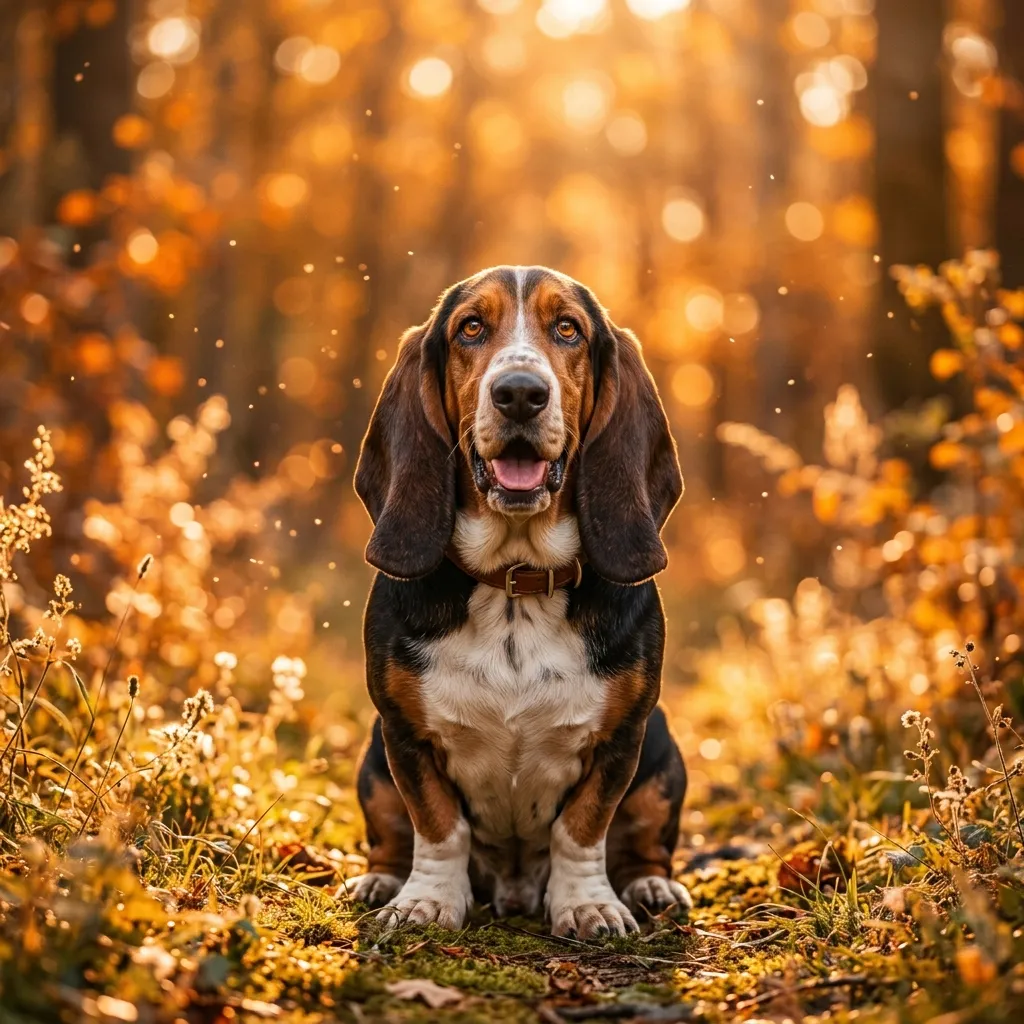
Basset Hound - Medium Hound dog Medium VS

Basset Hound

Hound Group
📏 Height 38.1 cm
⚖️ Weight 18.1-29.5 kg
🔊 Barking (AKC) ★★★★★
⚡ Compare Side-by-Side ➔
Grand Basset Griffon Vendéen - Medium Hound dog Medium VS

Grand Basset Griffon Vendéen

Hound Group
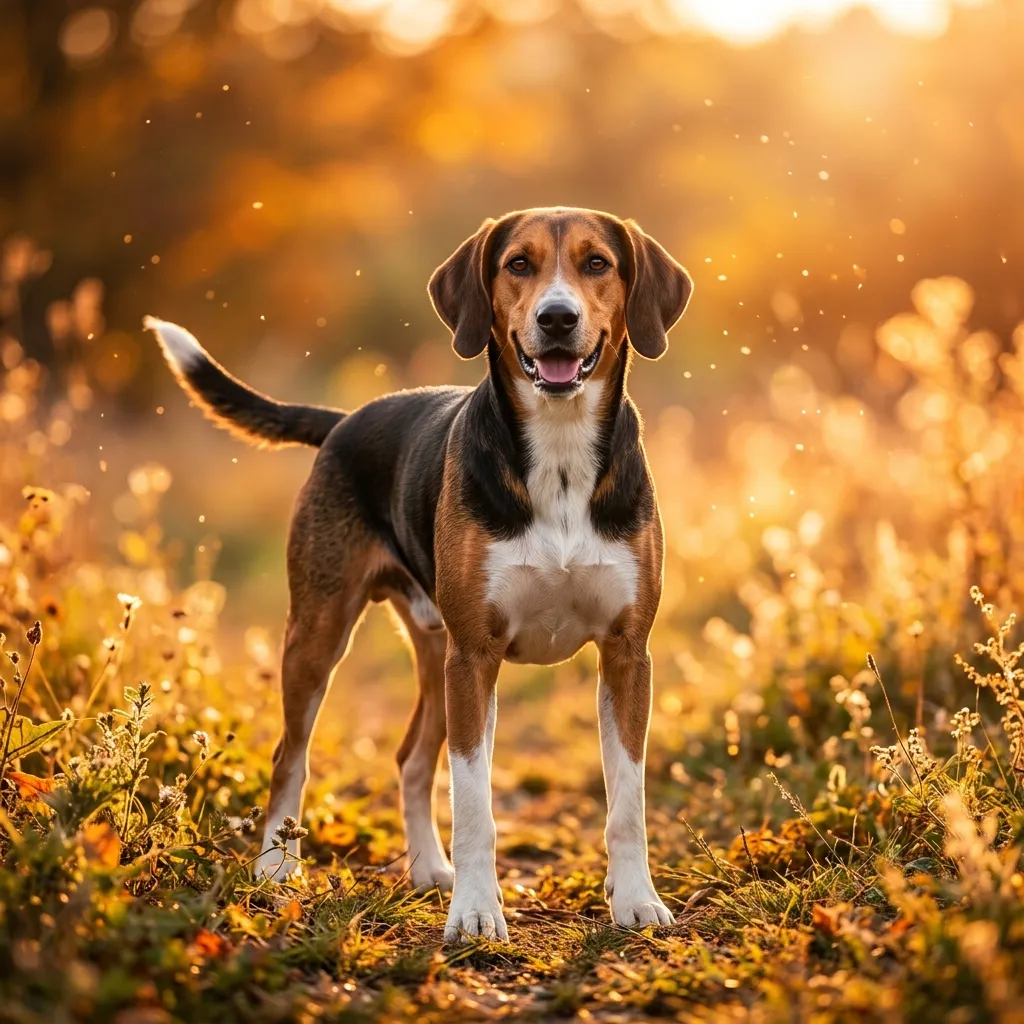
📏 Height 39.4-45.7 cm
⚖️ Weight 18.1-20.4 kg
🔊 Barking (AKC) ★★★★★
⚡ Compare Side-by-Side ➔
Harrier - Medium Hound dog Medium VS

Harrier

Hound Group
📏 Height 48.3-53.3 cm
⚖️ Weight 20.4-27.2 kg
🔊 Barking (AKC) ★★★★★
⚡ Compare Side-by-Side ➔
Scroll to Top