Back to Dog Breeds Catalog
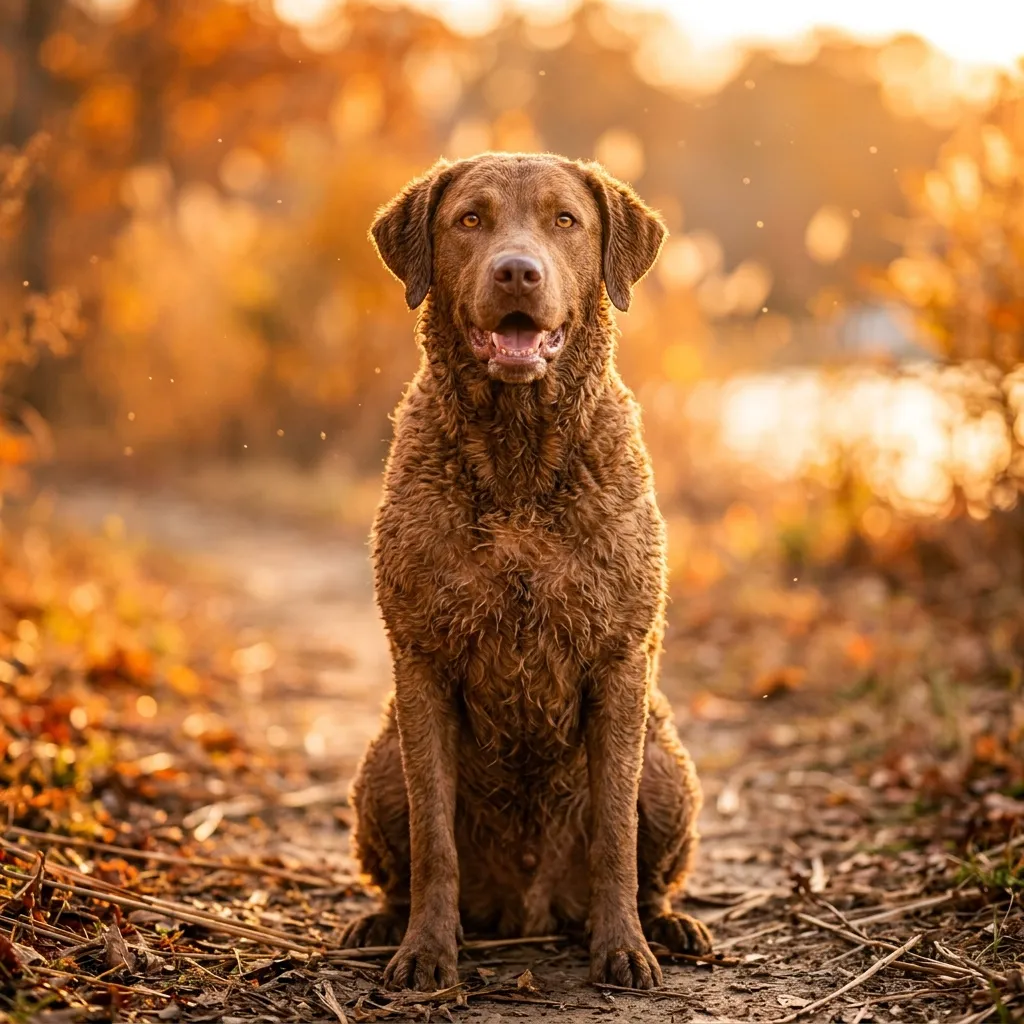
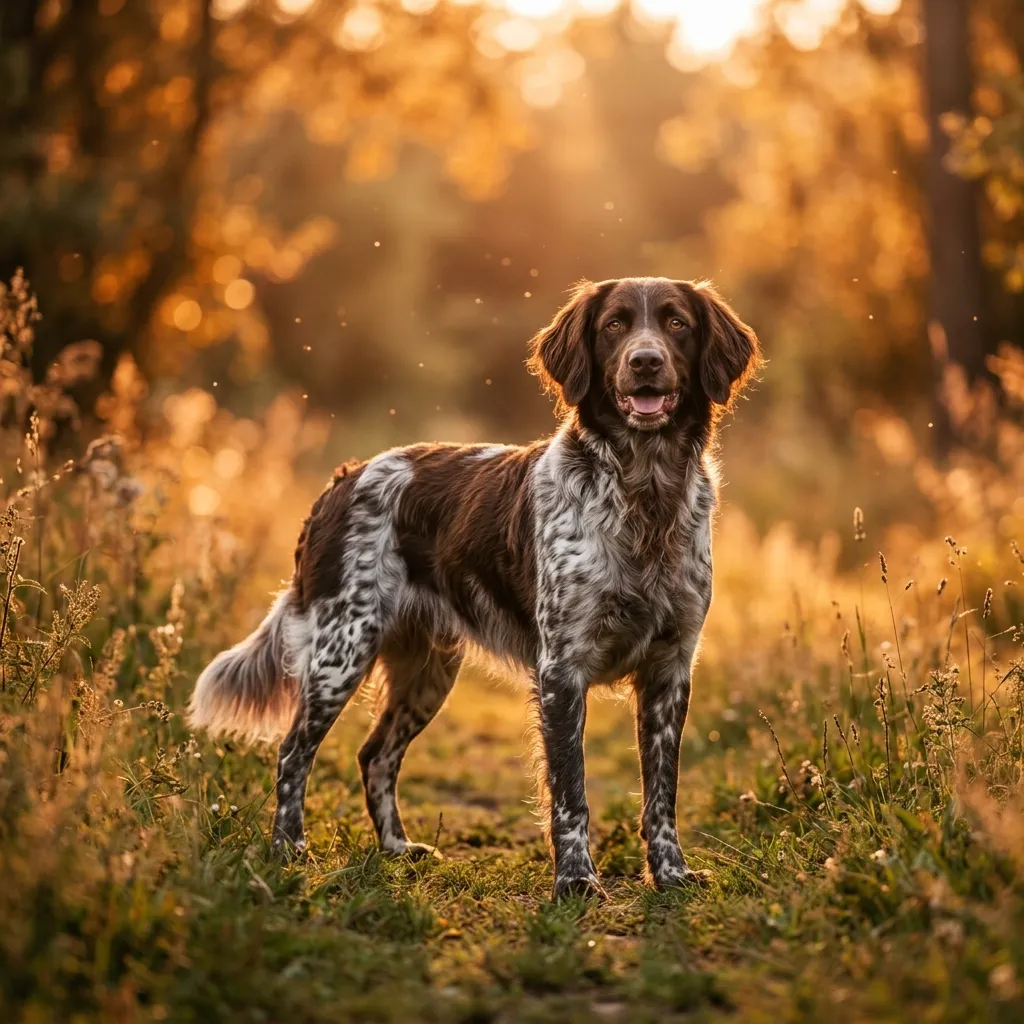
Small Munsterlander dog breed portrait - Medium Sporting dog
Medium Size Sporting Group

Key Behavioral Ratings

Energy Level ★★★★☆ (4/5)
Family Affection ★★★★★ (5/5)
Training Ease ★★★★★ (5/5)
Child Friendly ★★★★☆ (4/5)
Apartment Friendly ★★☆☆☆ (2/5)
Grooming Needs ★☆☆☆☆ (1/5)
★ Overall Rating: 4.58 / 5 ⓘ How it's calculated
Weighted average of 5 objective quality parameters (1–5 scale):
Overall Health4/5
Family Affection5/5
Child Friendly4/5
Training Ease5/5
Intelligence Level5/5
Lifestyle preferences like Size, Energy Level, Independence, and Barking Level do not penalize this score.
BREED OVERVIEW

Small Munsterlander

Country of Origin: Germany

KEY TRAITS:
Friendly, Intelligent, Energetic
DIMENSIONS & STANDARDS
Average Height
52.1-53.3 cm
Average Weight
18.1-27.2 kg
Life Span
12-14 years
Coat
Wavy (Medium)
Temperament & Personality

The Small Munsterlander temperament is a brilliant blend of immense, explosive working drive in the field and a profoundly affectionate, eager-to-please nature at home. In the field, they are relentless, tireless hunters with a massive prey drive and a fierce passion for water retrieving. At home, however, they are exceptionally even-tempered, deeply devoted to their families, and famously gentle, lacking the hyperactive nervousness of some pointing breeds. They are highly intelligent, exceptionally trainable, and respond beautifully to consistent, positive reinforcement. They are generally friendly with strangers, making them poor guard dogs but excellent companions. They absolutely require a massive physical and mental outlet to remain balanced.

Family & Social Integration Profile
Thrives in active family homes with children, forging deep household devotion and eager daily engagement.
FAMILY COMPANION
Health & Care Guidelines

Small Munsterlander health and care reflect their rugged, utilitarian origins; they are an exceptionally hardy, robust breed with a lifespan of 12 to 14 years. They have very few genetic health problems, though responsible breeders screen for hip dysplasia. Their stunning, medium-length, dense coat (brown and white roan) provides excellent protection in freezing water and thorny brush. It requires thorough brushing a few times a week to prevent matting, especially the "feathering" on the legs and tail, and their long ears must be cleaned regularly. The absolute most critical aspect of their care is fulfilling their staggering exercise requirements. They require massive amounts of vigorous daily running, swimming, or hunting.

Breed History & Origins

The Small Munsterlander (Kleiner Münsterländer) history is deeply rooted in the Münsterland region of Germany in the 19th century. They were developed by dedicated German hunters who desired a highly versatile, compact hunting dog capable of doing absolutely everything: pointing upland birds with precision, retrieving waterfowl from freezing marshes, and tracking wounded big game through dense forests. They were likely created by crossing ancient European pointing dogs with various spaniels. They were specifically bred to be an integral part of the hunter's family, sleeping indoors rather than in kennels. Today, they remain an elite, highly prized versatile hunting companion, relatively rare outside of Europe.

Is This the Right Dog for You?

Is the Small Munsterlander the right dog for you? This elite, athletic breed is strictly for highly active families, serious runners, or dedicated hunters seeking a brilliant, intensely loyal, and beautiful working partner. They are completely unsuitable for apartment living, sedentary owners, or novice handlers who cannot provide a massive physical and mental outlet. Because of their massive prey drive, caution is needed around small pets like cats or rabbits. If their extreme exercise needs are not met, they will become immensely frustrated. If you can provide a demanding "job" and vast open spaces to run and swim, the Small Munsterlander is a breathtaking companion.

Detailed Category Evaluation

Discover which dog breeds adapt best to apartment living. Assess if they prefer cozy corners or need more space. Ideal for apartment residents seeking a pet that fits snugly into their living environment.
Evaluate the companionship needs of different dog breeds. Some enjoy solitude, while others crave constant company. Perfect for finding a dog that matches your daily routine.
Learn how various dog breeds adapt to life's changes, including moving and routine shifts. Essential for owners who expect dynamic living conditions.
Uncover the climate preferences of different dog breeds, from cold-loving to sun-seeking. Essential for ensuring your chosen companion thrives in your local weather.
Understand the barking tendencies of various dog breeds. Some breeds vocalize more than others, affecting household dynamics and apartment suitability.
Measure the affection levels of different dog breeds. From heartwarming cuddles to more independent demeanors, find the dog that connects best with your family.
Assess the suitability of dog breeds with children. Perfect for families looking to add a pet to their home, ensuring safe and gentle interactions.
Rate dog breeds' compatibility with other pets. Ideal for multi-pet households looking to maintain a peaceful and friendly home environment.
Determine a breed's approach to unfamiliar people. Essential for owners who frequently have guests or prefer a more protective watch dog.
Gauge the drooling frequency of different dog breeds. Some breeds drool more than others, impacting your home grooming and cleaning routines.
Decode the grooming needs of dog breeds, from daily brushing to occasional baths. Perfect for aligning with your grooming availability.
Gauge the general health robustness of different dog breeds. Understand genetic predispositions and healthcare commitments.
Discover the weight management tendencies of dog breeds. Monitor dietary needs to ensure a long, fit and active life.
Learn about the shedding habits of various dog breeds. From minimal shedders to dogs with seasonal coat blows.
Find out if this breed produces low dander. Essential for households with allergy sufferers seeking a compatible companion.
Gauge the general physical scale of the breed to verify if it comfortably fits your vehicle, home and lifestyle.
Explore how quickly this breed picks up commands and obedience routines. From eager-to-please learners to more stubborn working temperaments.
Measure problem-solving capacity and working intelligence. Highly intelligent dogs thrive on puzzle toys, agility, and mental stimulation.
Assess instincts like prey drive, digging, herding, or scent tracking. Essential for proper leash training and recall in outdoor environments.
Uncover daily stamina and vigor. Low-energy dogs enjoy couch cuddles, while high-energy dogs require daily running and outdoor adventures.
Determine required walking minutes and physical challenges. Crucial to prevent boredom and destructive behaviors at home.
Rate interest in fetching balls, tug-of-war, and playful antics. Perfect for energetic owners looking for a fun companion.
⚡ HEAD-TO-HEAD COMPARISONS

Compare Small Munsterlander with Similar Breeds

See how Small Munsterlander stacks up against other Sporting and Medium dogs in size, barking and temperament.
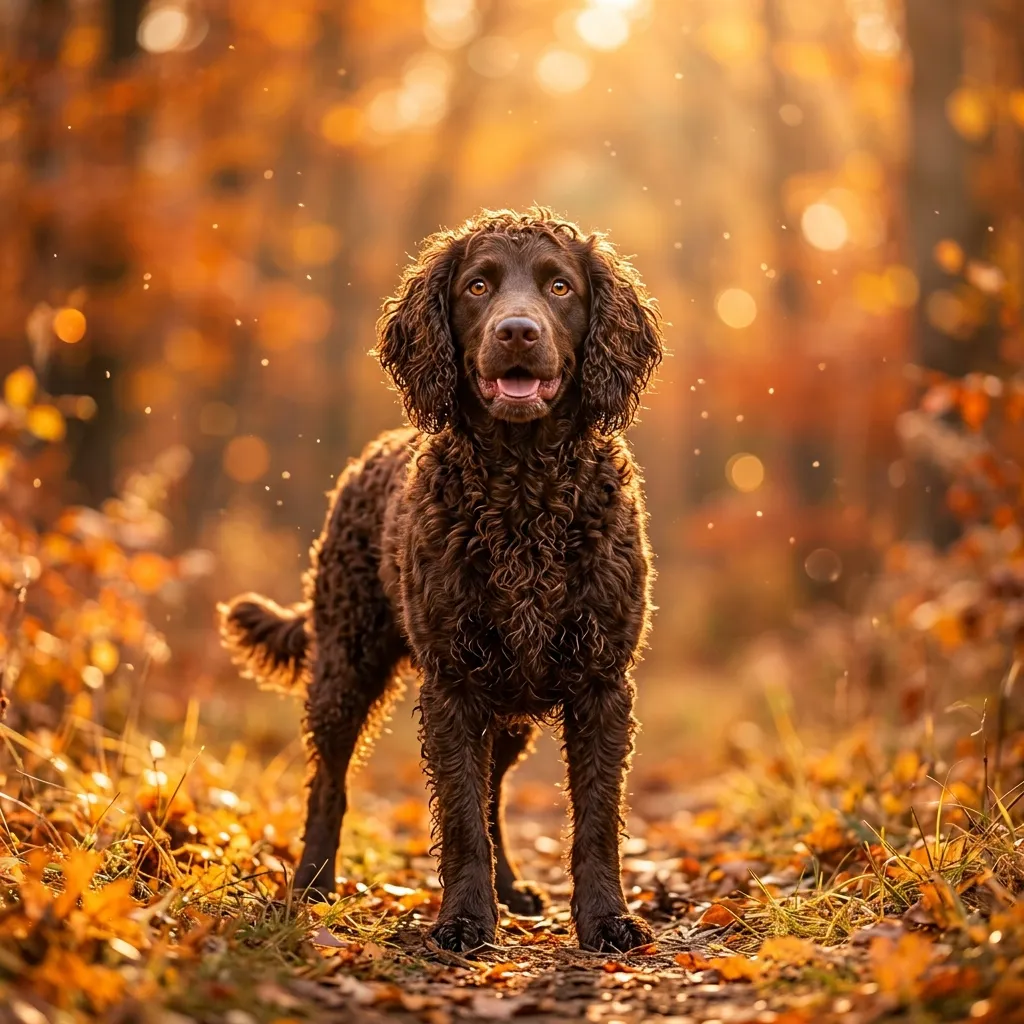
American Water Spaniel - Medium Sporting dog Medium VS

American Water Spaniel

Sporting Group
📏 Height 38.1-45.7 cm
⚖️ Weight 11.3-20.4 kg
🔊 Barking (AKC) ★★★★★
⚡ Compare Side-by-Side ➔
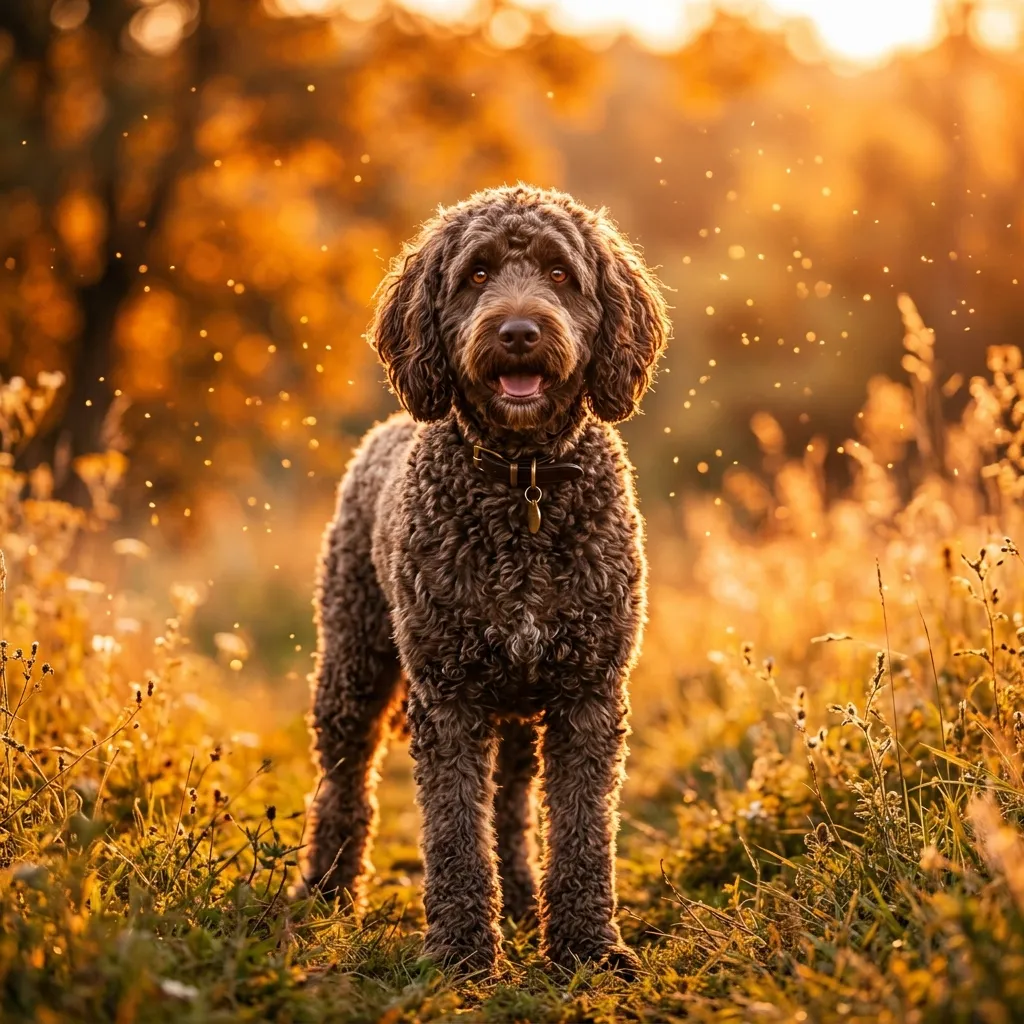
Barbet - Medium Sporting dog Medium VS

Barbet

Sporting Group
📏 Height 48.3-62.2 cm
⚖️ Weight 15.9-29.5 kg
🔊 Barking (AKC) ★★★★★
⚡ Compare Side-by-Side ➔
Chesapeake Bay Retriever - Medium Sporting dog Medium VS

Chesapeake Bay Retriever

Sporting Group
📏 Height 53.3-66.0 cm
⚖️ Weight 24.9-36.3 kg
🔊 Barking (AKC) ★★★★★
⚡ Compare Side-by-Side ➔
Scroll to Top