
Back to Dog Breeds Catalog
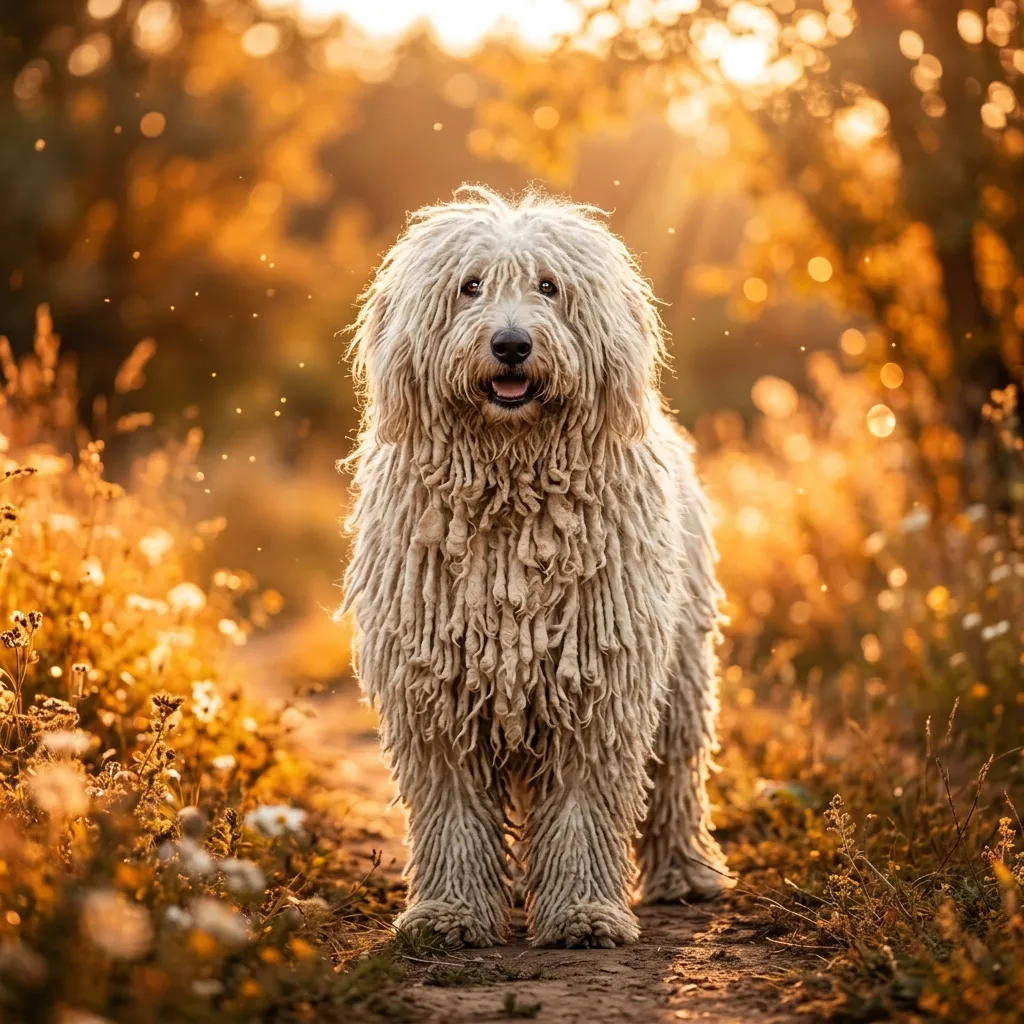
Komondor dog breed portrait - Giant Working dog
Giant Size Working Group

Key Behavioral Ratings

Energy Level ★★★☆☆ (3/5)
Family Affection ★★★★★ (5/5)
Training Ease ★★★★☆ (4/5)
Child Friendly ★★★☆☆ (3/5)
Apartment Friendly ★☆☆☆☆ (1/5)
Grooming Needs ★★★★☆ (4/5)
★ Overall Rating: 3.57 / 5 ⓘ How it's calculated
Weighted average of 5 objective quality parameters (1–5 scale):
Overall Health2/5
Family Affection5/5
Child Friendly3/5
Training Ease4/5
Intelligence Level4/5
Lifestyle preferences like Size, Energy Level, Independence, and Barking Level do not penalize this score.
BREED OVERVIEW

Komondor

Country of Origin: Hungary

KEY TRAITS:
Protective, Loyal, Dignified
DIMENSIONS & STANDARDS
Average Height
64.8-69.8 cm
Average Weight
36.3-45.4 kg
Life Span
10-12 years
Coat
Corded (Long)
Temperament & Personality

The Komondor temperament is defined by immense power, profound independence, and an unshakeable, fierce protective instinct. They are serious, uncompromising working dogs, not typical eager-to-please pets. To their immediate "flock" (their family), they are incredibly gentle, patient, and deeply affectionate, often resting quietly to observe their territory. However, they are highly territorial and naturally, deeply suspicious of strangers. A Komondor does not need to be taught to guard; it is hardwired into their DNA. They are nocturnal by nature, bred to patrol at night, and possess a massive, booming bark. They are brilliant but incredibly stubborn. They absolutely require a highly experienced, supremely confident owner. Massive, early, and continuous socialization is mandatory to prevent dangerous over-protectiveness.

Independent Companion Dynamic
Demonstrates a dignified, self-reliant temperament; comfortable with calm solo downtime without separation anxiety.
INDEPENDENT NATURE
Health & Care Guidelines

Komondor health and care focus on managing a giant breed and their highly specialized, demanding coat. They are generally robust with a lifespan of 10 to 12 years, but they are susceptible to hip dysplasia and bloat (gastric dilatation-volvulus), making weight management and joint care critical. Their defining feature—the massive, mop-like corded coat—is arguably the highest-maintenance coat in the dog world. It must never be brushed; instead, the cords must be meticulously separated by hand regularly to prevent massive, solid mats from forming against the skin. Bathing is an all-day event, as the cords take over 24 hours to dry completely (requiring high-velocity dryers to prevent mildew). They are low-energy dogs that conserve their power, requiring only moderate daily walks.

Breed History & Origins

The Komondor history is ancient and uncompromising, originating in the harsh, expansive steppes of Hungary. Brought to Europe by the nomadic Magyars over a thousand years ago, they are the undisputed "King of the Hungarian Flock Dogs." Their sole, critical purpose was as a Livestock Guardian Dog (LGD), tasked with protecting massive flocks of sheep from devastating predators, primarily wolves and bears. To survive, they required immense size, staggering power, and their most defining feature: a massive, heavy corded coat that acted as impenetrable armor against predator bites and brutal winter weather. Operating for centuries without human direction on the plains, they developed profound independence and fierce courage.

Is This the Right Dog for You?

Is the Komondor the right dog for you? This majestic breed is strictly for highly experienced dog owners who have a specific need for a serious property or livestock guardian, and who live in rural environments with large, securely fenced yards. They are completely unsuitable for apartment living, urban environments, or highly social households with frequent visitors, due to their massive size, intense guarding instincts, and profound, nocturnal barking. Managing a dominant, 100+ pound guardian dog is a massive liability. The commitment required to manage their corded coat is immense. If you have the space, the expertise, and want an uncompromising, fearless, and deeply loving protector, the Komondor is an awe-inspiring choice.

Detailed Category Evaluation

Discover which dog breeds adapt best to apartment living. Assess if they prefer cozy corners or need more space. Ideal for apartment residents seeking a pet that fits snugly into their living environment.
Evaluate the companionship needs of different dog breeds. Some enjoy solitude, while others crave constant company. Perfect for finding a dog that matches your daily routine.
Learn how various dog breeds adapt to life's changes, including moving and routine shifts. Essential for owners who expect dynamic living conditions.
Uncover the climate preferences of different dog breeds, from cold-loving to sun-seeking. Essential for ensuring your chosen companion thrives in your local weather.
Understand the barking tendencies of various dog breeds. Some breeds vocalize more than others, affecting household dynamics and apartment suitability.
Measure the affection levels of different dog breeds. From heartwarming cuddles to more independent demeanors, find the dog that connects best with your family.
Assess the suitability of dog breeds with children. Perfect for families looking to add a pet to their home, ensuring safe and gentle interactions.
Rate dog breeds' compatibility with other pets. Ideal for multi-pet households looking to maintain a peaceful and friendly home environment.
Determine a breed's approach to unfamiliar people. Essential for owners who frequently have guests or prefer a more protective watch dog.
Gauge the drooling frequency of different dog breeds. Some breeds drool more than others, impacting your home grooming and cleaning routines.
Decode the grooming needs of dog breeds, from daily brushing to occasional baths. Perfect for aligning with your grooming availability.
Gauge the general health robustness of different dog breeds. Understand genetic predispositions and healthcare commitments.
Discover the weight management tendencies of dog breeds. Monitor dietary needs to ensure a long, fit and active life.
Learn about the shedding habits of various dog breeds. From minimal shedders to dogs with seasonal coat blows.
Find out if this breed produces low dander. Essential for households with allergy sufferers seeking a compatible companion.
Gauge the general physical scale of the breed to verify if it comfortably fits your vehicle, home and lifestyle.
Explore how quickly this breed picks up commands and obedience routines. From eager-to-please learners to more stubborn working temperaments.
Measure problem-solving capacity and working intelligence. Highly intelligent dogs thrive on puzzle toys, agility, and mental stimulation.
Assess instincts like prey drive, digging, herding, or scent tracking. Essential for proper leash training and recall in outdoor environments.
Uncover daily stamina and vigor. Low-energy dogs enjoy couch cuddles, while high-energy dogs require daily running and outdoor adventures.
Determine required walking minutes and physical challenges. Crucial to prevent boredom and destructive behaviors at home.
Rate interest in fetching balls, tug-of-war, and playful antics. Perfect for energetic owners looking for a fun companion.
⚡ HEAD-TO-HEAD COMPARISONS

Compare Komondor with Similar Breeds

See how Komondor stacks up against other Working and Giant dogs in size, barking and temperament.
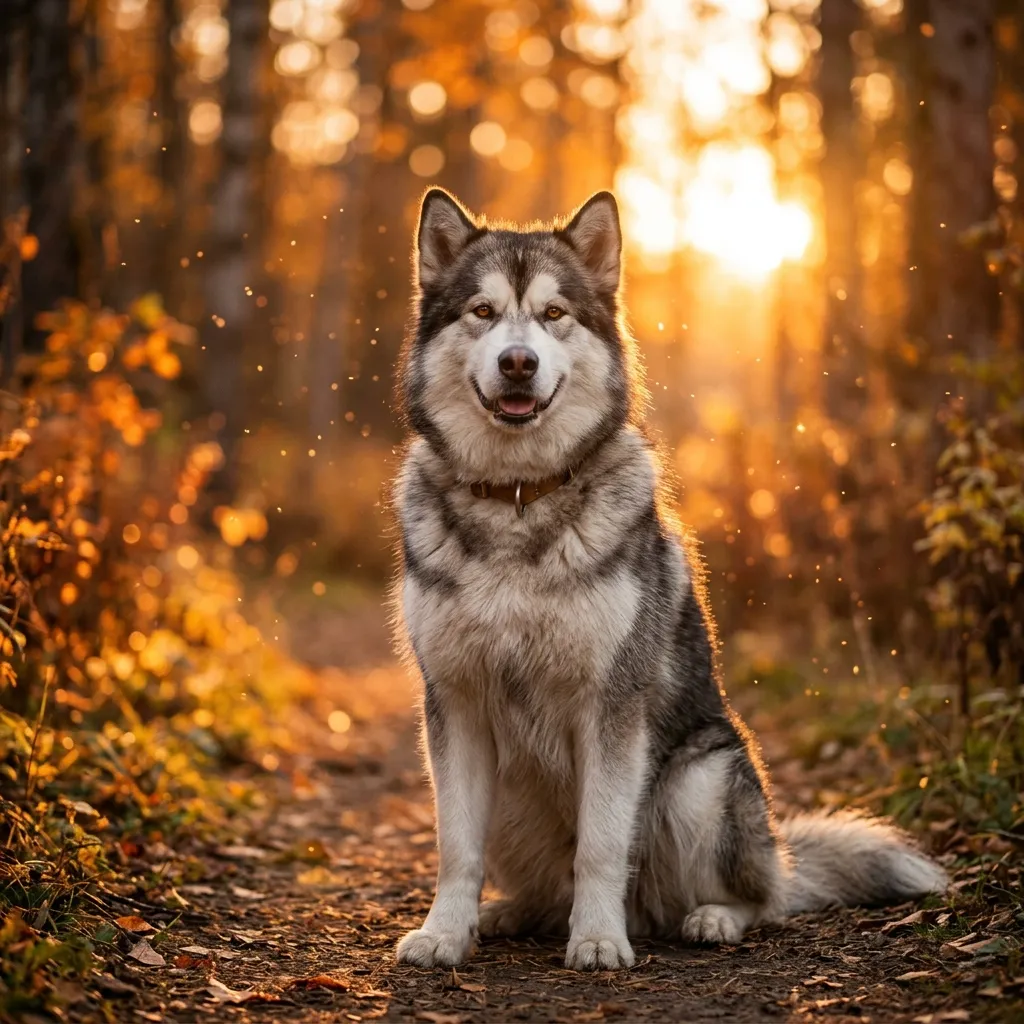
Alaskan Malamute - Giant Working dog Giant VS

Alaskan Malamute

Working Group
📏 Height 58.4-63.5 cm
⚖️ Weight 34.0-38.6 kg
🔊 Barking (AKC) ★★★★★
⚡ Compare Side-by-Side ➔
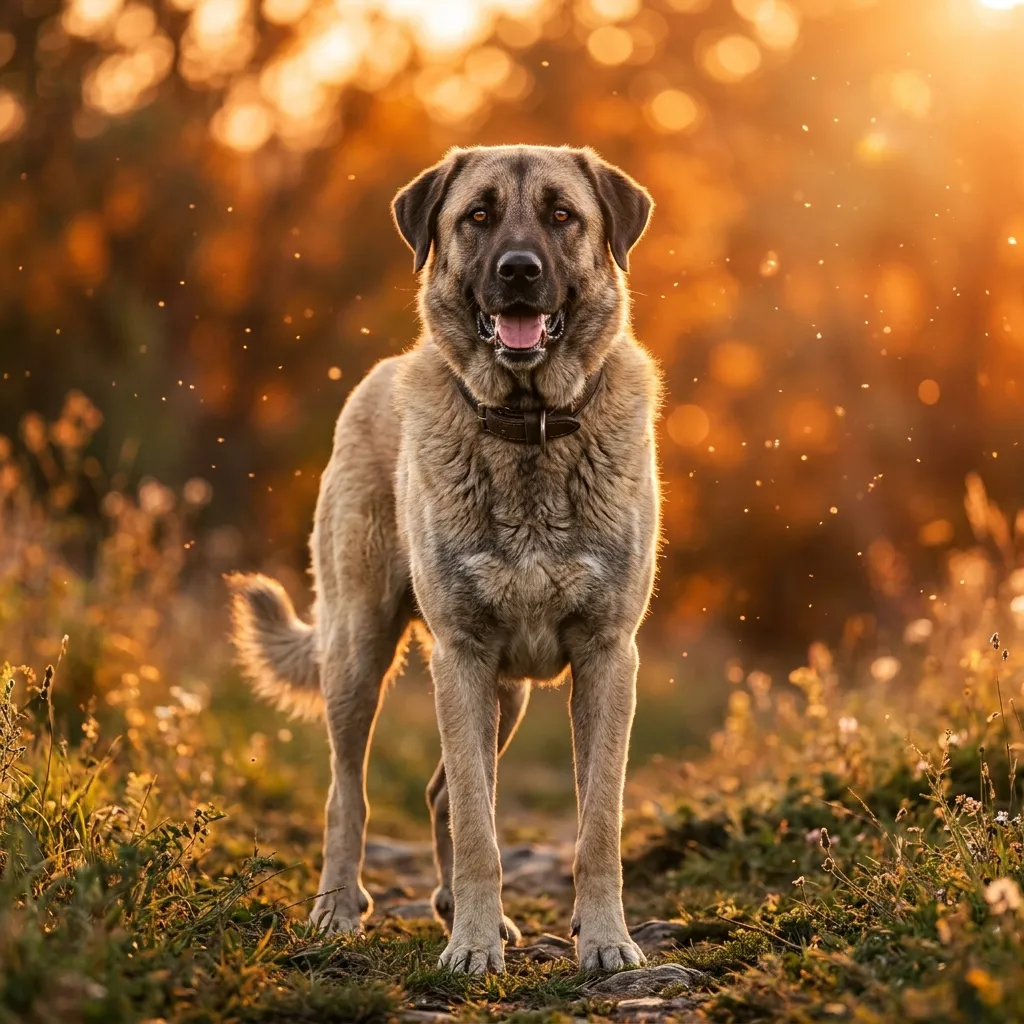
Anatolian Shepherd Dog - Giant Working dog Giant VS

Anatolian Shepherd Dog

Working Group
📏 Height 68.6-73.7 cm
⚖️ Weight 36.3-68.0 kg
🔊 Barking (AKC) ★★★★★
⚡ Compare Side-by-Side ➔
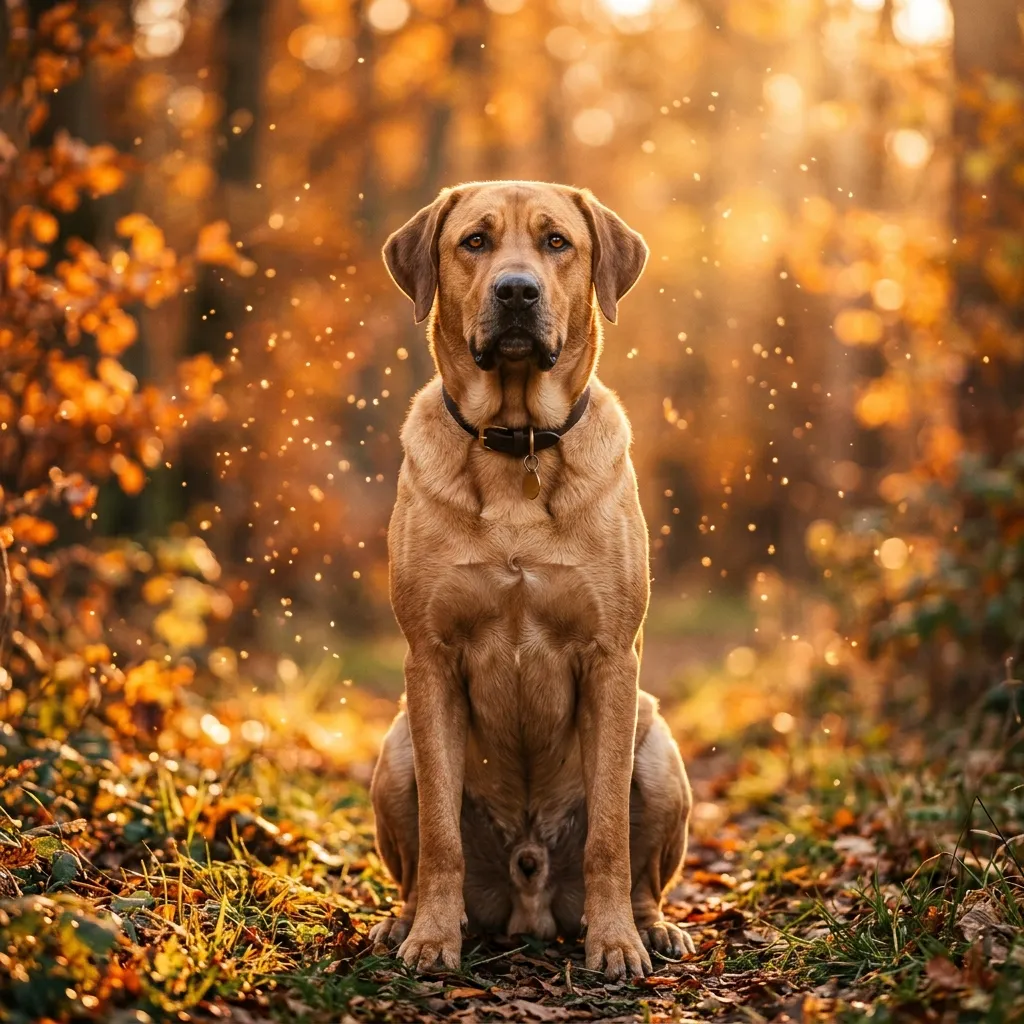
Broholmer - Giant Working dog Giant VS

Broholmer

Working Group
📏 Height 69.8-74.9 cm
⚖️ Weight 40.8-68.0 kg
🔊 Barking (AKC) ★★★★★
⚡ Compare Side-by-Side ➔
Scroll to Top