
Back to Dog Breeds Catalog
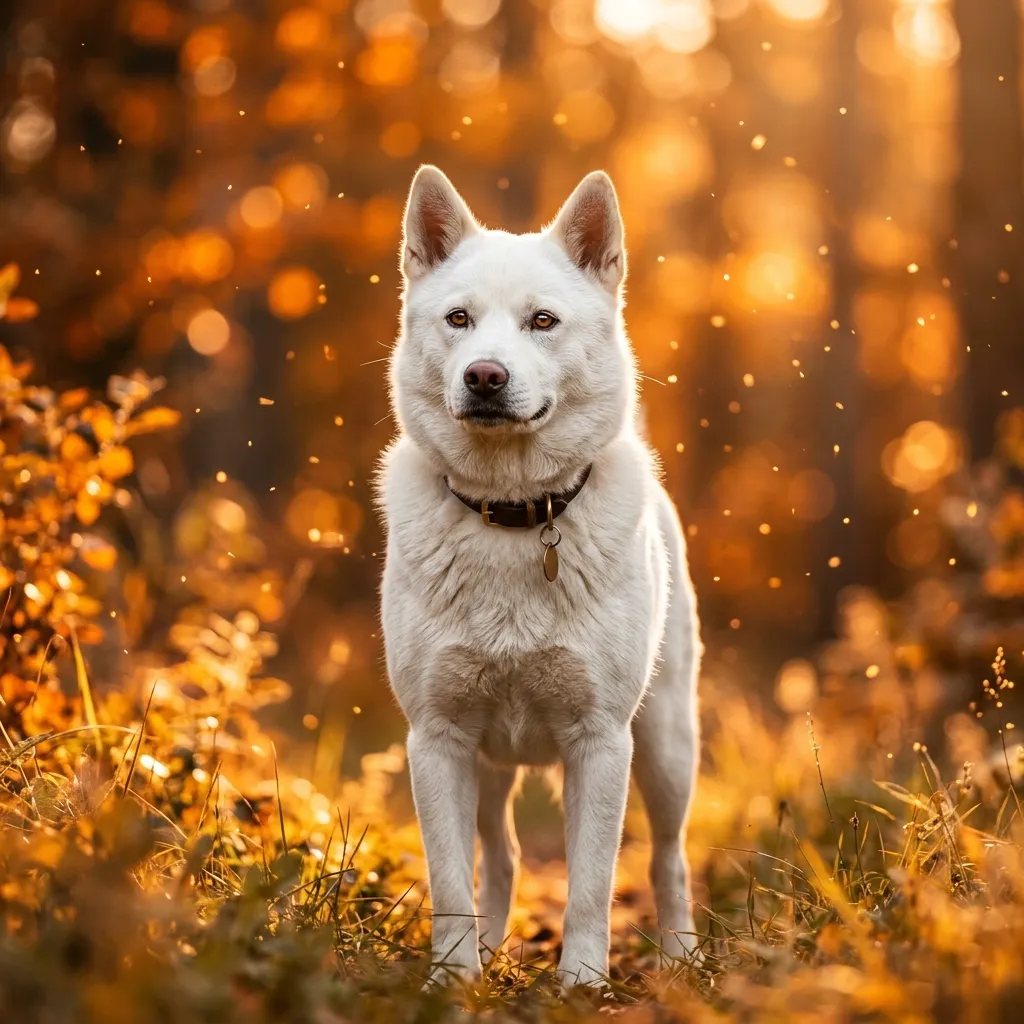
Kishu Ken dog breed portrait - Medium Foundation Stock Service dog
Medium Size Foundation Stock Service Group

Key Behavioral Ratings

Energy Level ★★★☆☆ (3/5)
Family Affection ★★★★★ (5/5)
Training Ease ★★★☆☆ (3/5)
Child Friendly ★★★☆☆ (3/5)
Apartment Friendly ★★★☆☆ (3/5)
Grooming Needs ★☆☆☆☆ (1/5)
★ Overall Rating: 3.83 / 5 ⓘ How it's calculated
Weighted average of 5 objective quality parameters (1–5 scale):
Overall Health4/5
Family Affection5/5
Child Friendly3/5
Training Ease3/5
Intelligence Level4/5
Lifestyle preferences like Size, Energy Level, Independence, and Barking Level do not penalize this score.
BREED OVERVIEW

Kishu Ken

Country of Origin: Japan

KEY TRAITS:
Loyal, Quiet, Courageous
DIMENSIONS & STANDARDS
Average Height
48.3-55.9 cm
Average Weight
13.6-27.2 kg
Life Span
12-15 years
Coat
Double (Medium)
Temperament & Personality

The Kishu Ken temperament is defined by immense dignity, profound loyalty, and a fierce, highly independent guarding instinct. They are serious, intense working dogs that command respect. To their immediate family, they are deeply devoted and surprisingly affectionate, often forming an unbreakable bond with one primary person. However, they are profoundly aloof, naturally suspicious, and entirely intolerant of strangers, making them formidable, uncompromising guard dogs. In the field, they are silent, relentless hunters with a massive prey drive. They are brilliant but fiercely stubborn; they obey out of respect, not subservience. They absolutely require a highly experienced, supremely confident owner who can establish unshakeable leadership. Massive, early socialization is mandatory.

Balanced Household Companion
Adapts smoothly to varied home lifestyles, balancing affectionate loyalty with calm domestic presence.
BALANCED COMPANION
Health & Care Guidelines

Kishu Ken health and care reflect their rugged, primitive evolution; they are an exceptionally hardy, robust breed with a long lifespan of 11 to 13 years. They have virtually no genetic health problems, making them one of the healthiest purebreds available, though breeders monitor for hypothyroidism. Their harsh, short double coat (typically pure white) is incredibly weather-resistant and naturally repels dirt, keeping them clean with minimal "doggy" odor. They require thorough brushing once or twice a week, escalating to daily brushing during their heavy shedding seasons (blowing coat). The absolute most critical aspect of their care is managing their staggering athleticism. They require massive amounts of vigorous daily exercise; simple walks are completely insufficient.

Breed History & Origins

The Kishu Ken history is deeply embedded in the rugged, mountainous Kishu region (now Wakayama and Mie prefectures) of Japan. They are one of the six native Japanese Spitz breeds, bred for centuries in extreme isolation. Their singular purpose was as a relentless, fearless hunter of wild boar and deer. They were highly prized by local hunters (Matagi) for their silent, stealthy tracking ability and their staggering courage—they would corner a massive boar and hold it at bay until the hunter arrived. The breed was traditionally piebald or red, but today, white is the predominant and preferred color. Designated as a Japanese Natural Monument in 1934, they remain a very rare, highly respected working dog.

Is This the Right Dog for You?

Is the Kishu Ken the right dog for you? This rare, majestic breed is strictly for highly experienced, confident dog owners who understand primitive, independent, and dominant breeds. They are completely unsuitable for first-time owners, apartment living, or highly social households with frequent visitors. Because of their intense prey drive, they are a severe danger to cats and small pets, and they can never be trusted off-leash in unfenced areas. They are inherently dog-aggressive, especially with same-sex dogs. If you possess the requisite experience, a secure environment, and want a brilliant, pristine, and fiercely devoted one-person protector, the Kishu Ken is an awe-inspiring choice.

Detailed Category Evaluation

Discover which dog breeds adapt best to apartment living. Assess if they prefer cozy corners or need more space. Ideal for apartment residents seeking a pet that fits snugly into their living environment.
Evaluate the companionship needs of different dog breeds. Some enjoy solitude, while others crave constant company. Perfect for finding a dog that matches your daily routine.
Learn how various dog breeds adapt to life's changes, including moving and routine shifts. Essential for owners who expect dynamic living conditions.
Uncover the climate preferences of different dog breeds, from cold-loving to sun-seeking. Essential for ensuring your chosen companion thrives in your local weather.
Understand the barking tendencies of various dog breeds. Some breeds vocalize more than others, affecting household dynamics and apartment suitability.
Measure the affection levels of different dog breeds. From heartwarming cuddles to more independent demeanors, find the dog that connects best with your family.
Assess the suitability of dog breeds with children. Perfect for families looking to add a pet to their home, ensuring safe and gentle interactions.
Rate dog breeds' compatibility with other pets. Ideal for multi-pet households looking to maintain a peaceful and friendly home environment.
Determine a breed's approach to unfamiliar people. Essential for owners who frequently have guests or prefer a more protective watch dog.
Gauge the drooling frequency of different dog breeds. Some breeds drool more than others, impacting your home grooming and cleaning routines.
Decode the grooming needs of dog breeds, from daily brushing to occasional baths. Perfect for aligning with your grooming availability.
Gauge the general health robustness of different dog breeds. Understand genetic predispositions and healthcare commitments.
Discover the weight management tendencies of dog breeds. Monitor dietary needs to ensure a long, fit and active life.
Learn about the shedding habits of various dog breeds. From minimal shedders to dogs with seasonal coat blows.
Find out if this breed produces low dander. Essential for households with allergy sufferers seeking a compatible companion.
Gauge the general physical scale of the breed to verify if it comfortably fits your vehicle, home and lifestyle.
Explore how quickly this breed picks up commands and obedience routines. From eager-to-please learners to more stubborn working temperaments.
Measure problem-solving capacity and working intelligence. Highly intelligent dogs thrive on puzzle toys, agility, and mental stimulation.
Assess instincts like prey drive, digging, herding, or scent tracking. Essential for proper leash training and recall in outdoor environments.
Uncover daily stamina and vigor. Low-energy dogs enjoy couch cuddles, while high-energy dogs require daily running and outdoor adventures.
Determine required walking minutes and physical challenges. Crucial to prevent boredom and destructive behaviors at home.
Rate interest in fetching balls, tug-of-war, and playful antics. Perfect for energetic owners looking for a fun companion.
⚡ HEAD-TO-HEAD COMPARISONS

Compare Kishu Ken with Similar Breeds

See how Kishu Ken stacks up against other Foundation Stock Service and Medium dogs in size, barking and temperament.
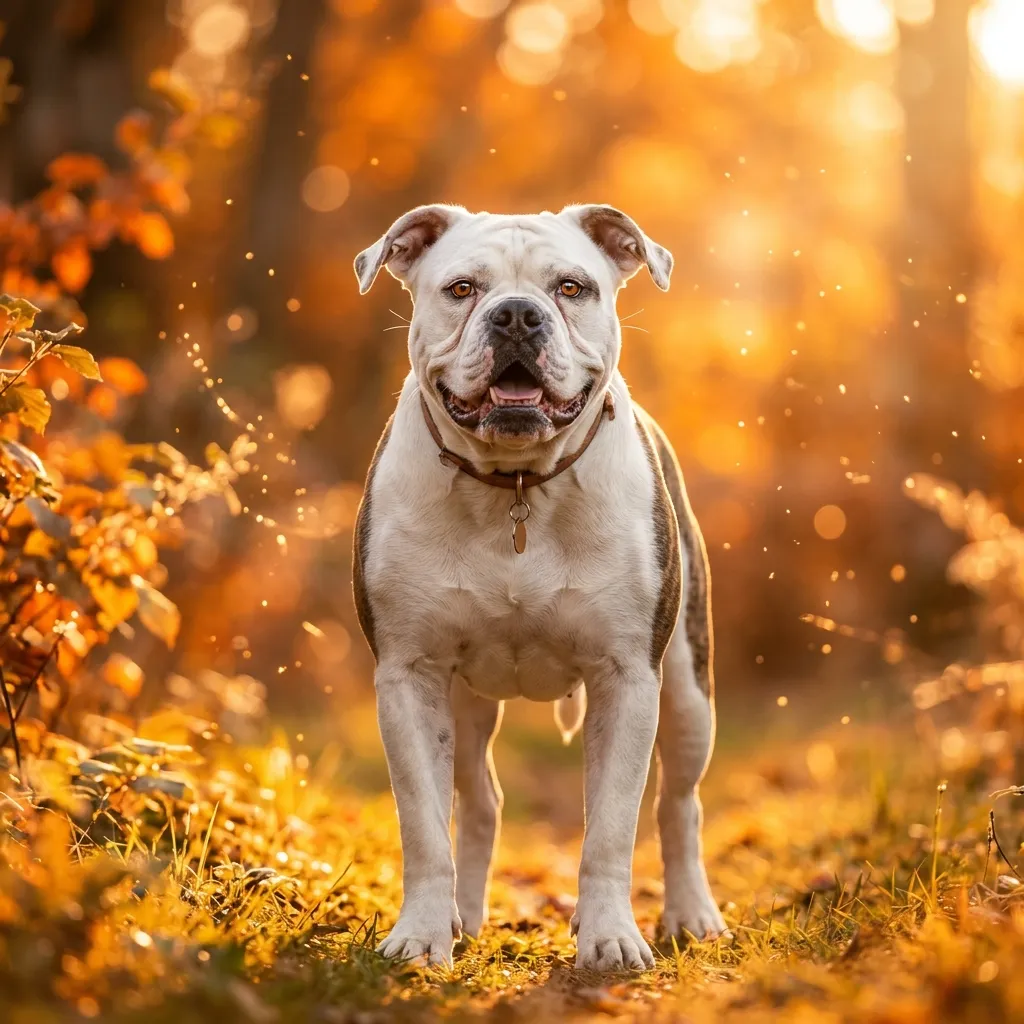
American Bulldog - Medium Foundation Stock Service dog Medium VS

American Bulldog

Foundation Stock Service Group
📏 Height 50.8-63.5 cm
⚖️ Weight 27.2-45.4 kg
🔊 Barking (AKC) ★★★★★
⚡ Compare Side-by-Side ➔
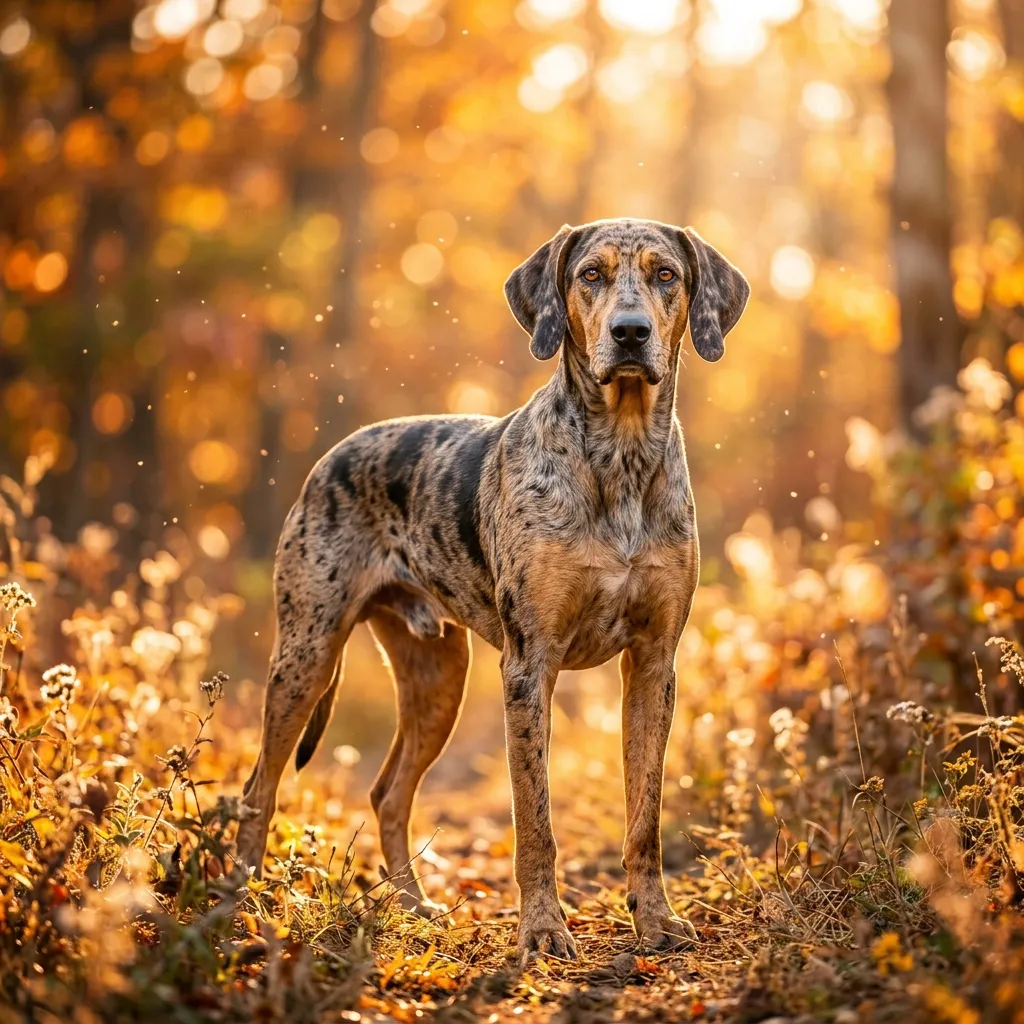
American Leopard Hound - Medium Foundation Stock Service dog Medium VS

American Leopard Hound

Foundation Stock Service Group
📏 Height 53.3-68.6 cm
⚖️ Weight 15.9-34.0 kg
🔊 Barking (AKC) ★★★★★
⚡ Compare Side-by-Side ➔
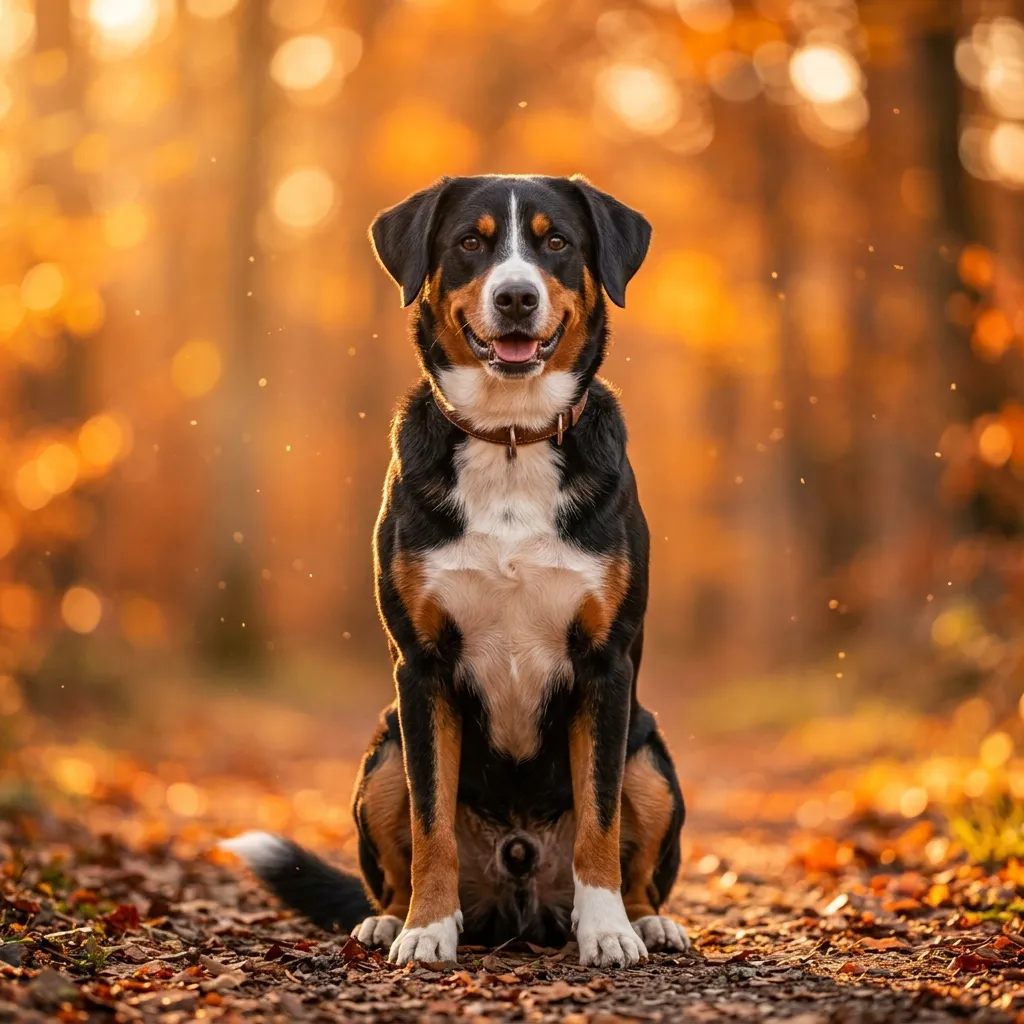
Appenzeller Sennenhund - Medium Foundation Stock Service dog Medium VS

Appenzeller Sennenhund

Foundation Stock Service Group
📏 Height 50.8-55.9 cm
⚖️ Weight 21.8-31.8 kg
🔊 Barking (AKC) ★★★★★
⚡ Compare Side-by-Side ➔
Scroll to Top