
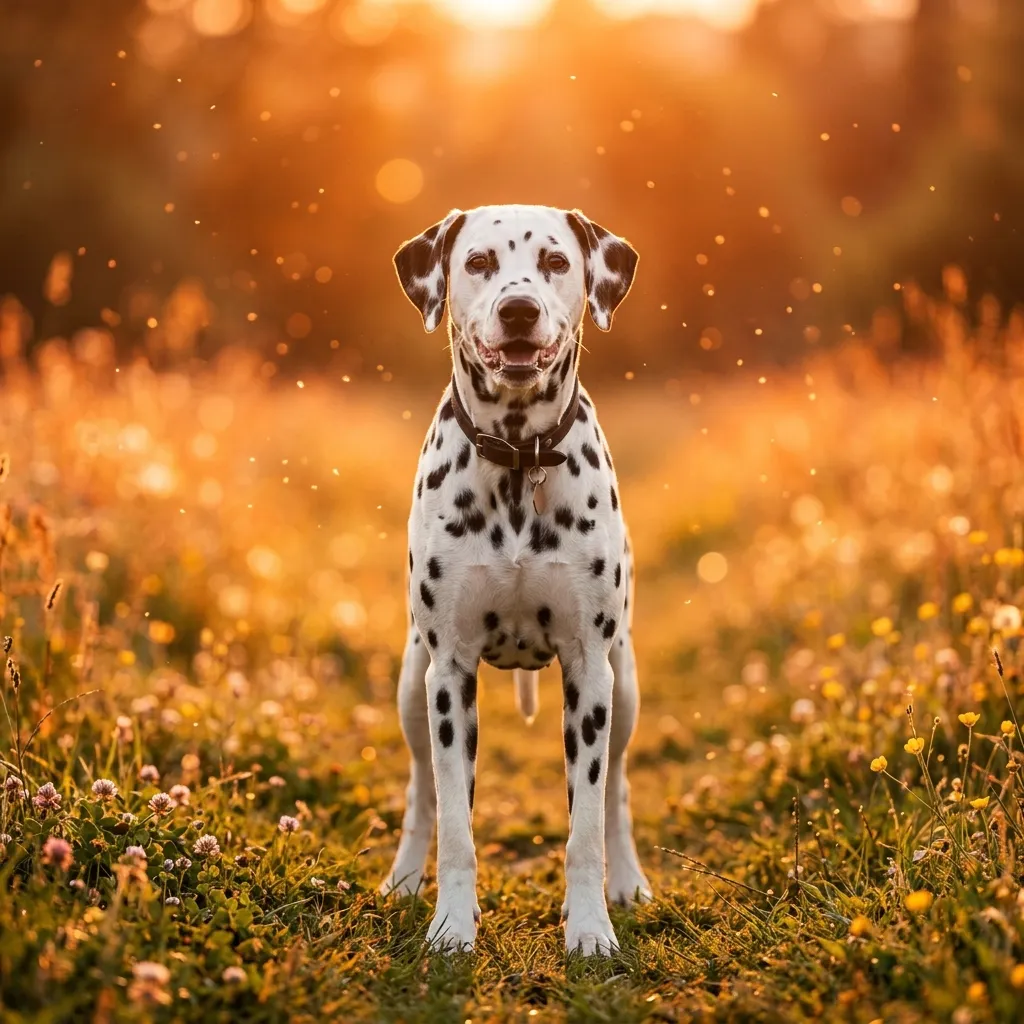
Dalmatian
Country of Origin: Croatia
The Dalmatian temperament is defined by boundless energy, high intelligence, and a surprisingly sensitive nature. They are incredibly loyal, outgoing, and deeply devoted to their families, thriving on human companionship and active participation in household life. Because they were bred to run for miles alongside carriages, they are tireless athletes with massive exercise requirements. A Dalmatian without a "job" or sufficient physical outlet will quickly become bored, highly destructive, and difficult to manage. They are generally aloof but polite with strangers, making them excellent watchdogs. While intelligent and capable of learning complex tasks, they can be stubborn and easily distracted, requiring firm, consistent, and highly positive training methods. Early socialization is crucial to prevent timid or high-strung behavior.
Dalmatian health and care require attention to two highly specific breed traits. First, they have a unique uric acid metabolism that makes them prone to forming urinary stones. They absolutely require a specialized diet (low in purines) and must have constant access to fresh water and frequent opportunities to urinate. Second, deafness is prevalent in the breed; responsible breeders conduct BAER hearing tests on all puppies. They are also prone to skin allergies. Their short, stunning spotted coat sheds constantly year-round and requires weekly brushing to manage the hair. The most critical aspect of their care is massive daily exercise; they need long runs, vigorous hikes, or participation in dog sports like agility to stay physically and mentally healthy.
The Dalmatian history is somewhat mysterious, with their exact origins fiercely debated. While named after the historical region of Dalmatia (in present-day Croatia), spotted dogs resembling them have been depicted in ancient Egyptian tombs and throughout European art for centuries. Historically, they were highly versatile: serving as dogs of war, guarding borders, and retrieving game. However, their most famous historical role was in 19th-century England as "coach dogs." They were bred to run alongside horse-drawn carriages, protecting the horses from stray dogs and highwaymen. Their incredible stamina and affinity for horses made them indispensable. Later, this affinity transferred to horse-drawn fire engines, establishing the Dalmatian's enduring iconic status as the traditional firehouse mascot.
Is the Dalmatian the right dog for you? This breed is strictly for highly active individuals or families who can commit to providing vigorous daily exercise; a simple walk around the block is never enough. They are fantastic running or cycling companions. They are not recommended for novice owners, sedentary lifestyles, or apartment living unless the owner is extremely active outdoors. Potential owners must be fully prepared to manage their unique dietary needs to prevent urinary stones and be comfortable with constant shedding. If you can provide the intense physical activity they crave, consistent training, and a specialized diet, the Dalmatian is a strikingly beautiful, tirelessly loyal, and fun-loving companion.
Detailed Category Evaluation
Compare Dalmatian with Similar Breeds
See how Dalmatian stacks up against other Non-Sporting and Medium dogs in size, barking and temperament.
 Medium
VS
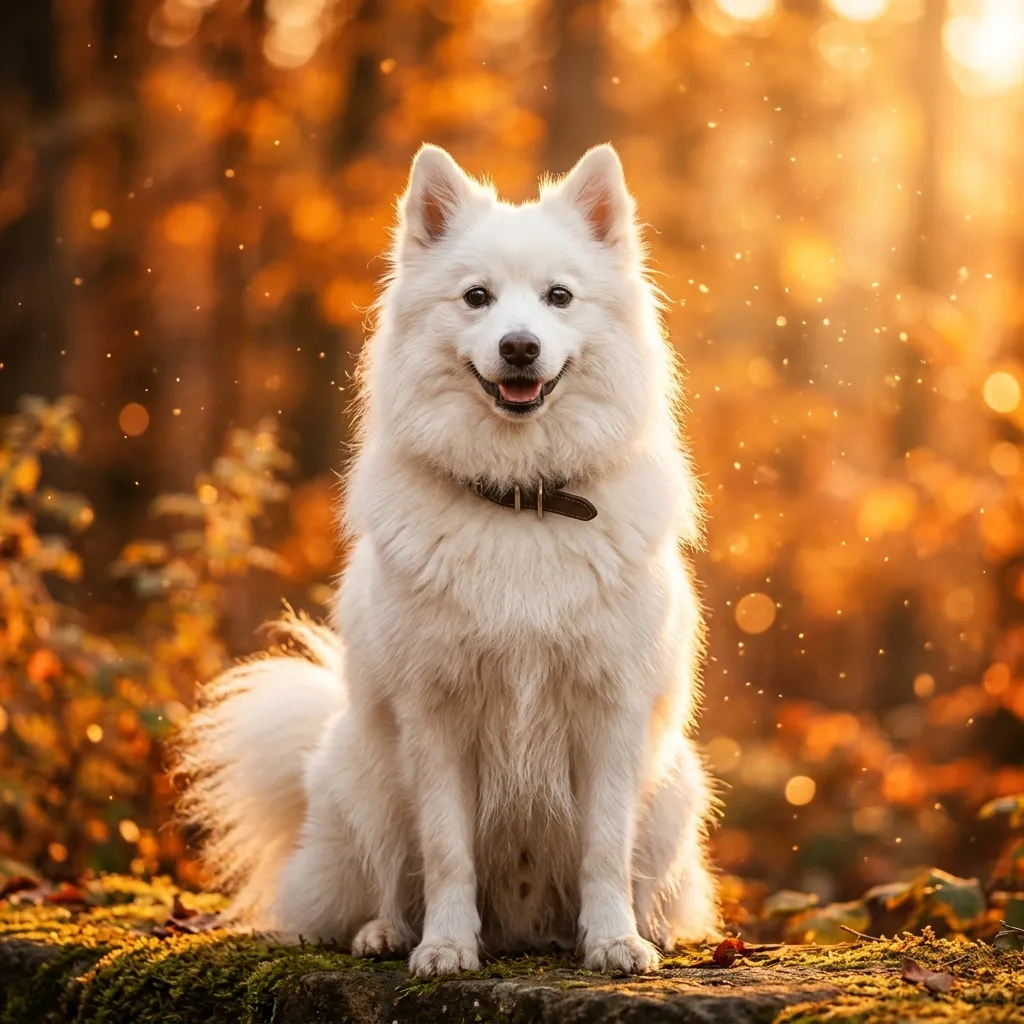
American Eskimo Dog
Non-Sporting Group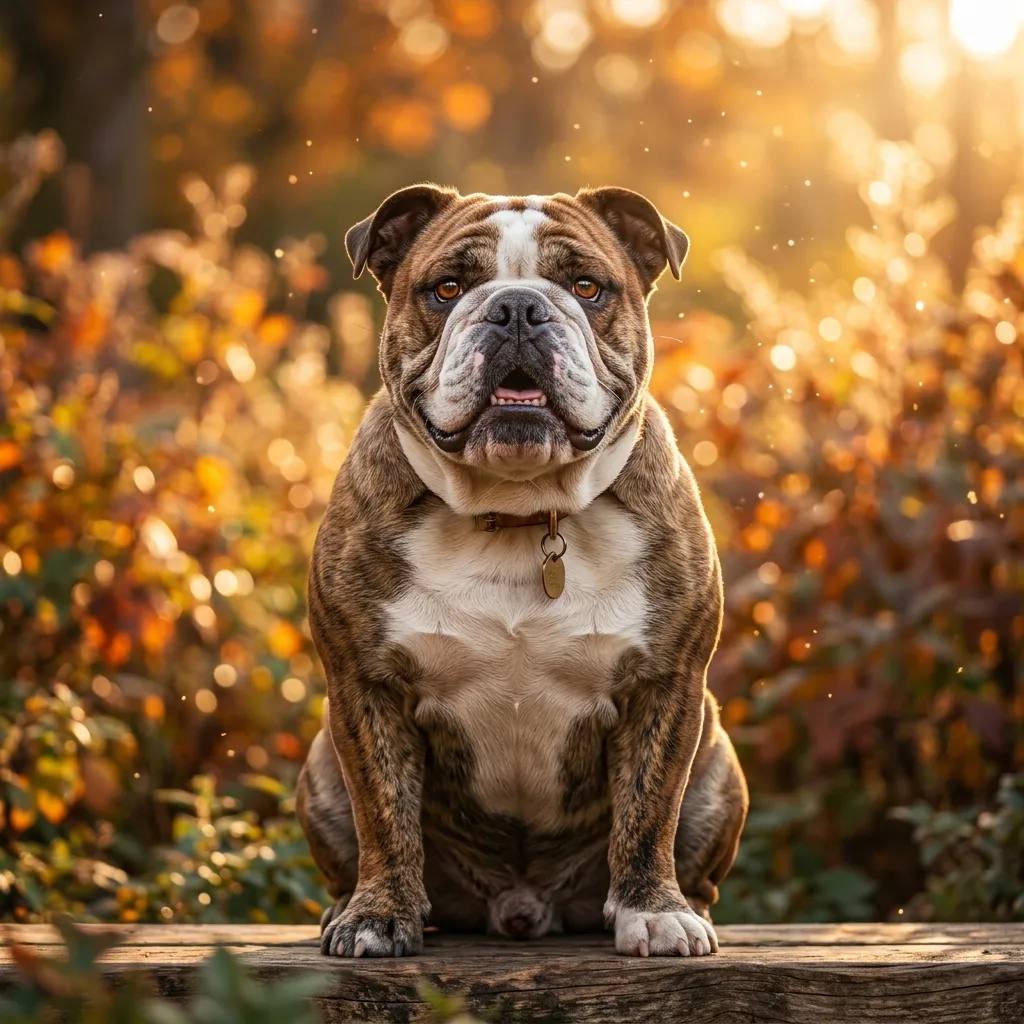 Medium
VS
Bulldog
Non-Sporting Group Medium
VS