
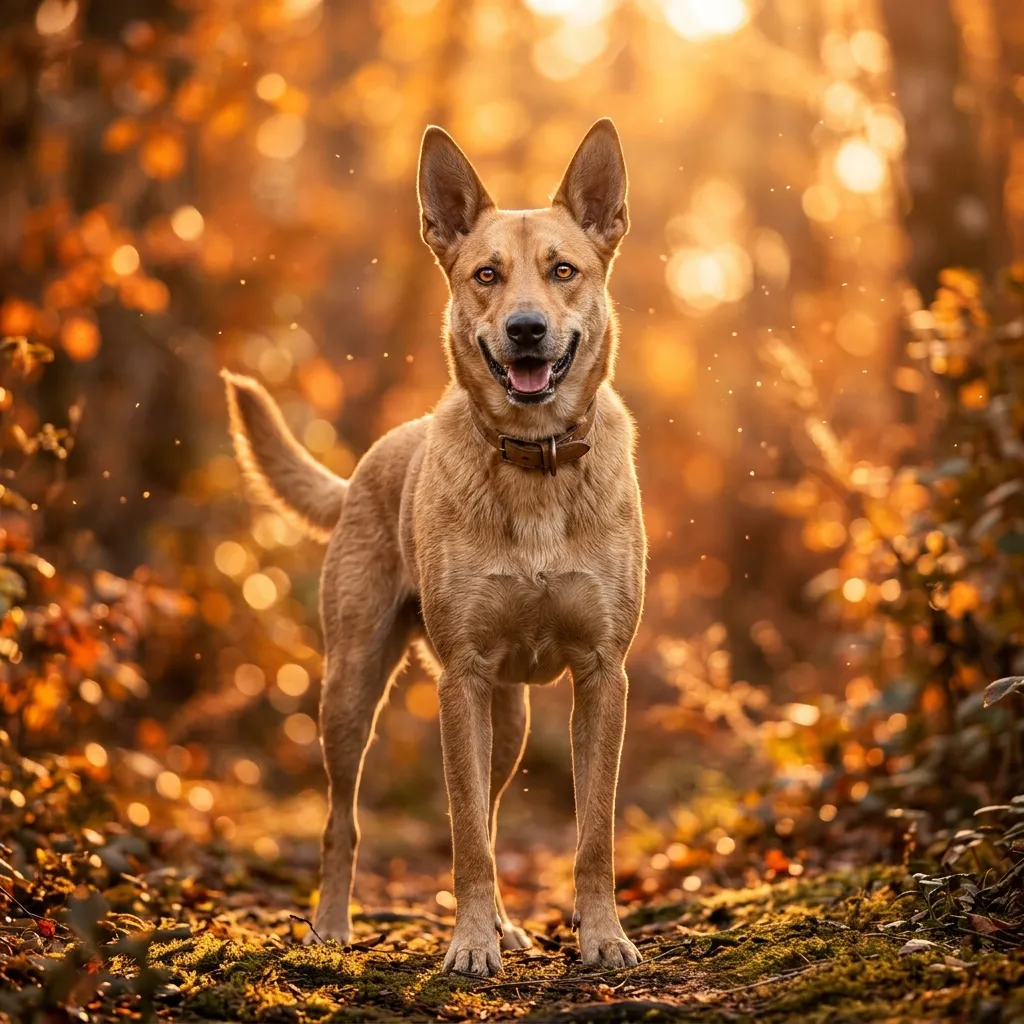
Carolina Dog
Country of Origin: United States
The Carolina Dog temperament is deeply influenced by its primitive, wild heritage. They are incredibly intelligent, resourceful, and highly independent thinkers. To their families, they are profoundly loyal and affectionate, often forming intense bonds with their "pack." However, they are naturally cautious, aloof, and suspicious of strangers, exhibiting a strong flight response to unfamiliar situations rather than aggression. They possess a high prey drive and a deeply ingrained pack mentality, meaning they communicate through subtle body language and vocalizations. A Carolina Dog requires a very patient, understanding owner who can provide gentle, consistent, positive reinforcement training. Harsh methods will break their trust. Early, extensive, and continuous socialization is absolutely critical to help them adapt confidently to a modern, domestic environment.
Carolina Dog health and care reflect their natural evolution; they are an exceptionally robust, hardy breed with a long lifespan and very few known genetic health problems, a direct result of natural selection. Their short to medium-length coat is incredibly low maintenance, requiring only occasional brushing, and they are known to be fastidiously clean, often grooming themselves like cats. They do not have a strong "doggy" odor. As an active, intelligent breed, they require substantial daily exercise to prevent boredom. Long walks, hikes, or opportunities to run in a securely fenced area are essential. Because of their strong prey drive and independent nature, they should never be trusted off-leash in unfenced areas, as their instinct to chase or explore is incredibly strong.
The Carolina Dog history is unique, representing one of the few breeds native to the United States that lived wild for centuries. Often referred to as the "American Dingo," these dogs are thought to be descendants of the pariah dogs brought across the Bering Land Bridge by Native Americans thousands of years ago. They survived in the isolated swamps and forests of the Southeastern United States, relying on their natural instincts and pack mentality. It wasn't until the 1970s that Dr. I. Lehr Brisbin, a researcher, discovered these free-ranging dogs and began studying their primitive, natural adaptations. Today, while still rare, the Carolina Dog is recognized for its historical significance and is gradually transitioning from a wild survivor to a unique, highly adaptable companion animal.
Is the Carolina Dog the right dog for you? This breed is best suited for experienced dog owners who understand and appreciate primitive canine behavior. They are not recommended for first-time owners or those looking for a traditionally obedient, eager-to-please pet. They require a quiet, predictable environment, early and extensive socialization, and a securely fenced yard, as they are renowned escape artists and diggers. Their high prey drive means caution is needed with small pets. If you are fascinated by canine natural history, have the patience to build a bond based on mutual respect, and can provide an active, understanding home, the Carolina Dog offers a rare, deeply rewarding, and uniquely primitive companionship.
Detailed Category Evaluation
Compare Carolina Dog with Similar Breeds
See how Carolina Dog stacks up against other Foundation Stock Service and Medium dogs in size, barking and temperament.
 Medium
VS
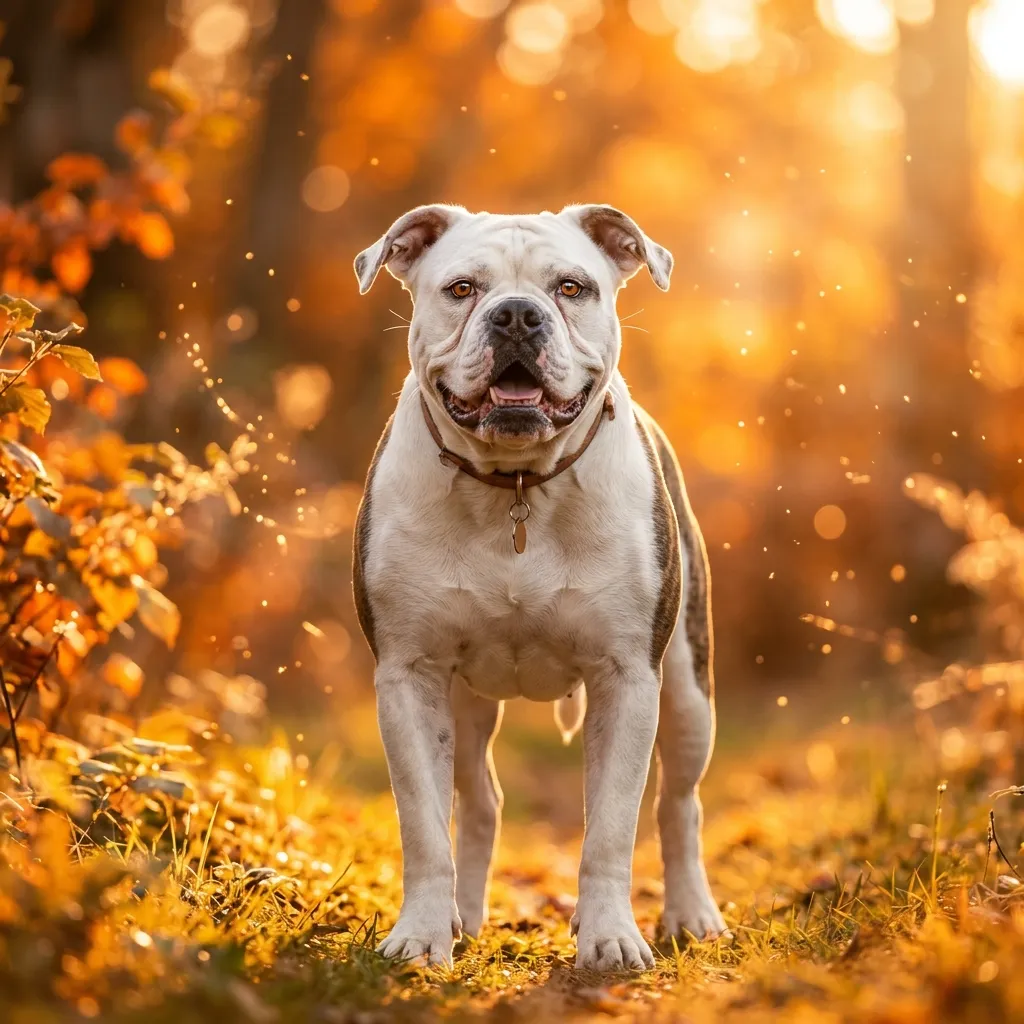
American Bulldog
Foundation Stock Service Group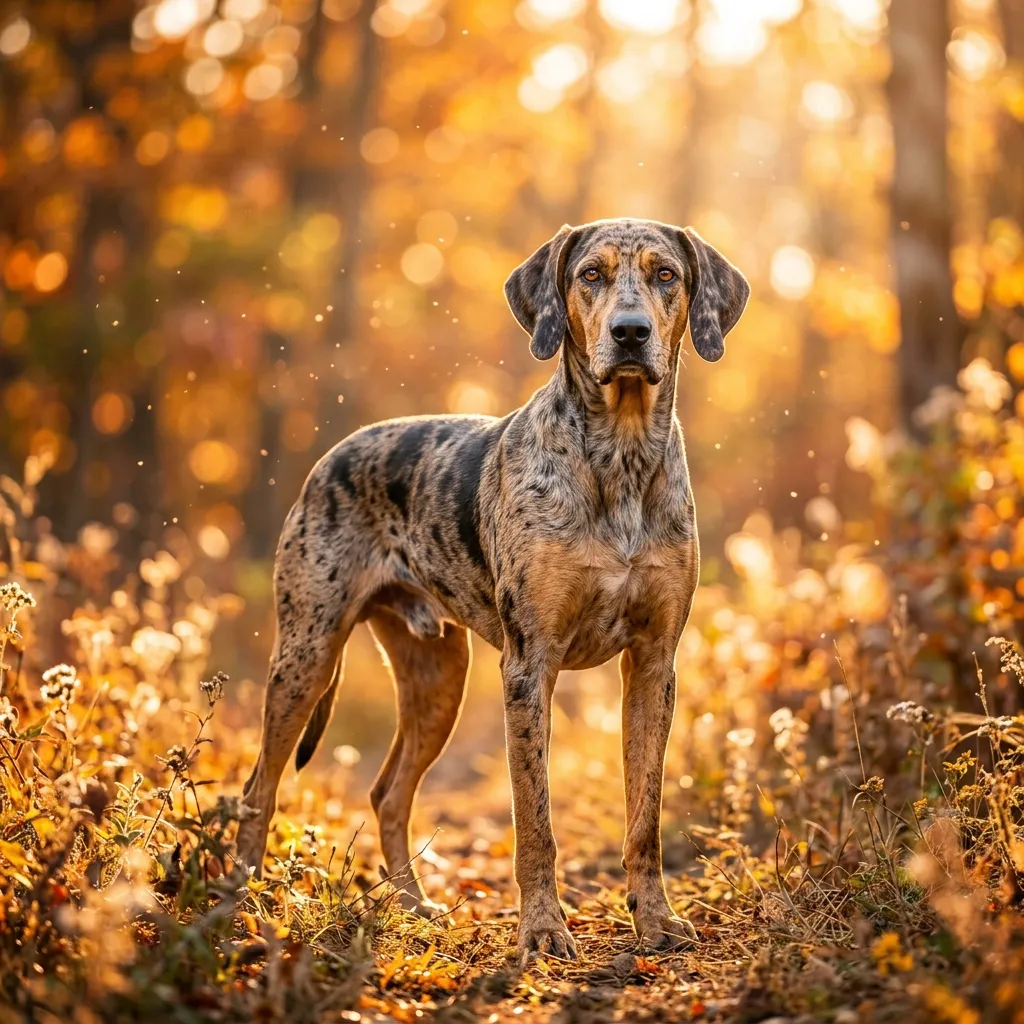 Medium
VS
American Leopard Hound
Foundation Stock Service Group Medium
VS